



The #1 Restaurant Marketing Agency: Dine Marketers
Introduction:
- Tired of Marketing Efforts Falling Flat? We know the struggle. Generic marketing companies might not get the Restaurant Ad Campaigns In Woodstock Ontario. That's why Dine Marketers specializes solely in restaurant success.
- Our Edge: Proven marketing strategies that will elevate your restaurant to new pinnacles.
- Industry Insight: With over 5 years in digital marketing for restaurants, our expertise is unparalleled. Our specialized marketing system has been honed over the past three years, guaranteeing consistent results.
Our Services:
- SEO Optimized Websites:
- Build an SEO-friendly website that loads quickly and captivates the audience.
- Mobile-responsive, featuring high-converting forms, top-tier visuals, and compelling content.
- Regularly updated with SEO-rich blogs and articles.
- Pay-Per-Click (PPC) Mastery:
- Gain exposure on major platforms with our top-notch Google Ads and PPC campaigns.
- We're the reason many restaurants rank top on Google. Expect visibility like never before!
- Local SEO & Google Maps:
- Secure top-three rankings on Google Maps within the first 90 days.
- In-depth organic SEO marketing, including on-page and off-page optimization.
- Social Media Marketing:
- Unleash the power of Facebook and Instagram with strategic ad campaigns tailored for the restaurant industry.
- From lead generation to video ads, we ensure you capture and captivate your audience.
- Reputation Management:
- Elevate your online reputation with a flood of 5-star reviews on platforms like Google, Facebook, and Yelp.
- Use our proprietary tools to effortlessly gather positive feedback and display them to your advantage.
- Engaging Video Campaigns:
- Understand the power of video in the Restaurant Ad Campaigns In Woodstock Ontario. From brand awareness to retargeting, we've got you covered.
Why Choose Dine Marketers?
- Exclusivity: Our sole focus on the restaurant industry equips us with data and insights that are unmatched.
- Turnkey Solutions: From the moment we start, our strategies are optimized, eliminating trial and error.
- Impressive Metrics: Expect an average conversion rate of 20%, with persistent visibility ensuring even non-converters recognize your brand.
The Dine Marketers Difference:
- Industry Comprehension: Our team undergoes rigorous training to understand the nuances of the restaurant business, ensuring you get specialists, not generalists.
- Endorsements: Check out our services that have been widely recognized and featured.
- Client Success: Read testimonials from satisfied restaurant owners who've experienced transformative growth with us.
Ready to Partner with the Best?
Experience firsthand what makes us the preferred choice for Restaurant Ad Campaigns In Woodstock Ontario. Let's work together to make your establishment the talk of the town.
What is a Restaurant Marketing Agency?
A restaurant marketing agency is a specialized agency that helps restaurants to effectively promote their business and attract more customers. They use various marketing strategies and techniques to maximize the restaurant's visibility and reach, ultimately increasing foot traffic and revenue. A restaurant marketing agency knows the special challenges and changes in the Restaurant Ad Campaigns In Woodstock Ontario.
They offer customized solutions for each restaurant's unique needs and goals. To promote the restaurant, they can use different digital marketing techniques like SEO, PPC ads, social media marketing, and online reputation management. These strategies work together to create an effective marketing campaign and bring good outcomes for the business. Restaurant owners can benefit from partnering with a restaurant marketing agency to effectively promote their business in the competitive food industry.
Benefits of Hiring a Restaurant Marketing Agency
A restaurant marketing agency can offer numerous benefits to enhance your existing marketing efforts. One of the top advantages is their ability to stay up to date with the latest marketing trends. The digital landscape is changing quickly, and it can be hard for restaurant owners to keep up with advertising and algorithms. By hiring a top digital marketing company for restaurants, you can ensure that your business stays ahead of the curve.
These agencies have access to the latest tools and technologies to drive sales and revenue for your Restaurant Ad Campaigns In Woodstock Ontario. They can provide a fresh perspective and innovative ideas that can help you stand out in the competitive restaurant industry. Their expertise in optimizing marketing campaigns can save you time and resources while maximizing results. By analyzing data and understanding consumer behavior, experts can identify target keywords and audiences to enhance your online visibility and conversion rates.
Restaurant marketing agencies have expertise in the restaurant industry and understand what strategies are most effective for various types of establishments. They can create tailored marketing strategies that align with your business goals and target specific customer segments. This specialized knowledge can help you attract potential customers and increase foot traffic to your restaurant.
Hiring a restaurant marketing agency can improve your marketing by bringing new ideas and optimizing your campaigns. They stay updated with current marketing trends and have the knowledge to boost your business's sales and revenue. Consider partnering with a reputable agency to take your restaurant marketing to the next level.
Potential Customers
In the highly competitive Restaurant Ad Campaigns In Woodstock Ontario, attracting potential customers is crucial for success. A restaurant marketing agency can help you identify and target your potential customers through various strategies. Using SEO techniques can help your restaurant show up in relevant search queries and improve your online visibility.

They can also improve your Google My Business and Google Maps listings, making it simpler for customers to locate your restaurant, find your business hours, and get in touch with you.By understanding consumer behavior and utilizing data analysis, these agencies can develop effective marketing campaigns tailored to attract potential customers and drive foot traffic to your restaurant.A restaurant marketing agency can help you reach a larger audience and increase your customer base, whether you want to target specific customer segments or promote special offers.
Identify Who Your Ideal Customers Are
Identifying who your ideal customers are is a crucial step in developing an effective marketing strategy for your restaurant. By understanding the preferences, demographics, and behaviors of your target audience, you can tailor your marketing efforts to better attract and retain customers.

To begin, it's essential to conduct market research. This involves gathering data on your existing customers, as well as analyzing industry trends and competitors. By studying customer data, such as purchase history and feedback, you can gain insights into what drives their decision-making process.
One effective way to categorize and understand your ideal customers is through the creation of customer personas. These are fictional representations of your typical customers, based on common patterns and characteristics. By developing personas, you can better understand their needs and motivations, allowing you to tailor your marketing messages and strategies to address their specific pain points.
When constructing customer personas, consider factors such as age, gender, income level, location, interests, and purchasing behaviors. This information will help guide your marketing efforts, enabling you to reach your target audience more effectively.
Remember, the more you know about your target audience, the more accurately you can craft marketing campaigns that resonate with them. Identifying your ideal customers will allow you to craft compelling messages, select the most appropriate marketing channels, and ultimately drive higher engagement and conversion rates for your restaurant.
Developing Strategies to Reach Your Target Audience
To effectively reach your target audience as a restaurant marketing agency, it is crucial to develop comprehensive strategies that cater to their needs and preferences. Understanding your target audience and their search behavior is essential for creating campaigns that resonate with them and drive results.
Firstly, conducting thorough research on your target audience is vital. This involves analyzing data on their demographics, interests, and behaviors. By gaining a deep understanding of who they are and what motivates them, you can tailor your marketing messages and strategies to effectively engage with them.
One of the key digital marketing strategies to reach your target audience is SEO (Search Engine Optimization). By optimizing your website and online content with relevant keywords and metadata, you can improve your rankings in search engine results and attract organic traffic from your target audience.
PPC (Pay-Per-Click) advertising is another powerful tool to reach your target audience. Using platforms like Google Ads, you can create targeted ad campaigns that appear in search engine results when users enter relevant keywords. This allows you to connect with potential customers who are actively searching for restaurant-related products or services.
Social Media Engagement and Marketing
Social media is an increasingly important part of restaurant marketing. The platform connects restaurants and customers directly, enabling them to interact and display the restaurant's offerings. Restaurants can use social media to promote new menu items, special offers, upcoming events, and other important information. Additionally, social media can be used to engage customers through contests or giveaways and to build relationships with influencers.
As a restaurant marketing agency, it is essential to understand your target audience and develop comprehensive strategies to reach them. By conducting market research and developing customer personas, you are able to define your target audience and communicate effectively with them. Additionally, leveraging SEO, PPC advertising, and social media can help you drive higher engagement and conversion rates for your restaurant.
Using social media platforms like Facebook, Instagram, and TikTok can help restaurant owners create awareness and engagement for their business. With these platforms, you can create campaigns to connect with current customers and reach new audiences in innovative ways.
Facebook allows you to create a targeted and efficient advertising campaign that can reach potential customers who might not have been aware of your restaurant otherwise. Additionally, you can create engaging content such as photos or videos that showcase your offerings and draw in new customers. Use Instagram to showcase the beauty of your food and restaurant. Take advantage of its visual nature. You can also promote exclusive offers and deals. TikTok is a great platform to create enjoyable content that attracts younger audiences and builds relationships with them.
Google Ads
Google Search Ads is a powerful marketing tool for restaurant owners looking to increase customers and revenue. Google Ads allows restaurants to reach their target audience quickly and effectively with its cutting-edge targeting capabilities. Restaurants can create effective campaigns tailored to their specific needs, including location-based targeting, device targeting, and demographic targeting.
With Google Ads, you can create custom Google Ads that are laser-focused on your target audience, allowing you to maximize your Maximizing your return on investment. (ROI). You can track and measure your campaign's performance in real-time using Google Ads' analytics.

For restaurant owners looking to increase customers and profits, a restaurant marketing agency can be an invaluable asset. By conducting thorough market research, developing customer personas.
Social media marketing is also essential for reaching your target audience. Creating a strong presence on social media platforms such as Facebook, Instagram, and Twitter allows you to engage with your audience, share relevant content, and Boosting website traffic is crucial for online success. to your website or physical location.
In conclusion, developing strategies to reach your target audience requires a deep understanding.
Google Business Profile
ing of their demographics, interests, and search behavior. Using digital marketing strategies like SEO, Google Search PPC advertising, and social media marketing, you can effectively engage with your target audience and achieve desired outcomes for your restaurant marketing agency.
Search Engine Optimization (SEO)
Search Engine Optimization (SEO) is a crucial digital marketing strategy for restaurants looking to increase their online visibility and attract their target audience. By optimizing their website and online content with relevant keywords, metadata, and other SEO techniques, restaurants can improve their rankings in search engine results pages (SERPs) and generate organic traffic.

Effective SEO involves conducting thorough keyword research, optimizing website structure and content, and building high-quality backlinks. By implementing these strategies, restaurants can improve their online presence, increase website traffic, and ultimately drive more customers to their doors. Additionally, local SEO, which focuses on optimizing for location-specific searches, allows restaurants to capture potential customers in their local area and increase foot traffic. With a well-executed SEO strategy, restaurants can reach their target audience effectively and boost their online presence in search engines.
The Basics of SEO for Restaurant Ad Campaigns In Woodstock Ontario
SEO for restaurants is a specialized form of search engine optimization that focuses on improving a restaurant's online visibility and attracting potential customers through search engines. While it shares similarities with general SEO, there are key strategies that are unique to the restaurant industry.
One important aspect of restaurant SEO is local citations and business listings. These help search engines understand the relevance and location of a restaurant, making it more likely to appear in local search results. Additionally, customer reviews play a crucial role in SEO for restaurants, as they contribute to a restaurant's credibility and can directly impact search engine rankings.
Keyword research is another fundamental strategy in Restaurant Ad Campaigns In Woodstock Ontario. It involves identifying relevant keywords and phrases that potential customers are using to search for restaurants in their area. By optimizing webpages and content with these keywords, restaurants can increase their chances of appearing in search results.
On-page optimization, such as creating unique and informative content, optimizing meta tags, and improving website structure, is also essential in restaurant SEO. Finally, building quality backlinks from reputable sources can further enhance a restaurant's online visibility and authority.
By implementing these strategies, restaurants can improve their search engine rankings, attract more potential customers, and ultimately increase their online visibility and foot traffic.
Creating Content that Ranks Well in Search Engines
Creating content that ranks well in search engines is crucial for restaurant marketing. With the majority of potential customers using search engines to find local businesses, it is essential for restaurants to appear in the top search results. This can significantly increase visibility and attract more potential customers.
Optimizing website content with relevant keywords and phrases is one of the most effective strategies for improving search engine rankings. By understanding the commonly searched terms and phrases that potential customers use when looking for restaurants, restaurant owners can incorporate these keywords into their website content. This helps search engines understand the relevance of the content to the search query, increasing the chances of the website appearing in search results.
There are several strategies for creating SEO-friendly content. Including commonly searched terms in titles and headings helps search engines identify the main focus of the content also Restaurant Ad Campaigns. Additionally, using meta tags and descriptions that accurately describe the content can further improve search engine rankings. Regularly updating and adding new content also signals to search engines that the website is active and relevant, which can boost its visibility in search results.
In conclusion, creating content that ranks well in search engines is crucial for restaurant marketing. By optimizing website content with relevant keywords and following SEO best practices, restaurants can improve search engine rankings and attract more potential customers.
Utilizing Relevant Keywords and Phrases for Maximum Impact
Utilizing relevant keywords and phrases is essential for maximizing the impact of restaurant marketing. By strategically incorporating local keywords and specific cuisine-related keywords throughout a website, restaurant owners can improve their visibility in local search results and attract potential customers.
One effective method is to include these keywords Restaurant Ad Campaigns in title tags, meta descriptions, headings, and body text. For instance, if a restaurant specializes in Italian cuisine and is located in New York City or Woodstock Ontario, relevant keywords could be "Italian restaurant in NYC" or "best Italian food or Restaurant Ad Campaigns in New York or Woodstock Ontario". Including these keywords in the website's title tags and meta descriptions signals to search engines the main focus of the content and boosts its visibility in search results.
Furthermore, incorporating these keywords into heading tags and body text helps search engines understand the relevance of the content to a user's search query. This increases the chances of the website appearing in relevant search results and attracting potential customers.
By strategically utilizing local keywords and specific cuisine-related keywords throughout the website, restaurant owners can improve their visibility in local search results and attract potential customers. This optimization technique is crucial for maximizing the impact of restaurant marketing and driving more traffic to their establishments.
Google My Business & Google Maps Listings
Introduction:
In today's digital age, having a strong online presence is crucial for any restaurant. One powerful tool to ensure visibility and attract potential customers is by leveraging Google My Business and Google Maps listings for Restaurant Ad Campaigns. These platforms not only allow restaurant owners to showcase their business but also provide valuable information to potential customers, such as location, hours of operation, and customer reviews. By optimizing these listings, restaurant owners can significantly improve their online visibility, increase foot traffic, and ultimately boost their revenue.
Whether it's a local search for the best Italian restaurant in town or simply looking for nearby dining options, Google My Business and Google Maps listings play a crucial role in guiding customers to the right place for a delightful dining experience. In the following sections, we will delve into the various strategies and techniques that can be employed to maximize the benefits of these platforms.
Why Your Restaurant Should Have a Google My Business Profile
A Google My Business profile is an essential tool for restaurants looking to enhance their online presence. With the majority of potential customers turning to search engines to find businesses, having a Google My Business profile ensures that your restaurant is visible and discoverable.
By claiming and verifying your business on Google, you can add accurate and up-to-date information about your restaurant, such as opening hours, address, contact information, and website. This not only helps potential customers find you easily but also improves your credibility and trustworthiness.
Additionally, you can showcase enticing photos of your restaurant, highlighting not only the ambiance but also the delicious menu items you offer. A visually appealing profile is more likely to catch the attention of potential customers and entice them to visit your establishment.
Engaging with potential customers is another significant advantage of having a Google My Business profile. You can create posts to promote special offers, events, or new menu items, keeping your audience informed and interested Restaurant Ad Campaigns. Moreover, you can respond to customer reviews and answer their questions, demonstrating your commitment to excellent customer service.
In today's digital world, having a strong online presence is crucial for any business. A Google My Business profile is a powerful tool that enhances your visibility and discoverability, provides accurate information, showcases your offerings, and facilitates customer engagement. Don't miss out on this opportunity to attract more customers and grow your restaurant business.
Creating an Accurate & Complete Business Listing on Google Maps
To create an accurate and complete business listing on Google Maps, start by logging into your Google My Business account and selecting the restaurant property you want to manage. Once selected, navigate to the "Info" section and click on "Edit" next to each relevant section.
To ensure accuracy, make sure that your listing includes up-to-date and correct information about your restaurant's business hours, address, phone number, and website. This will help potential customers find your restaurant easily.
In addition, take advantage of the "Posts" feature on Google My Business to promote special offers, upcoming events, and new menu items. This will help attract and engage your audience.
Don't forget to include relevant keywords in your business listing, such as the type of cuisine you serve, city or neighborhood, and any unique features or specialties. This will optimize your listing for search engine optimization (SEO).
Finally, regularly review and update your business listing on Google My Business to keep it accurate and complete. This will enhance your credibility and trustworthiness with potential customers Restaurant Ad Campaigns In Woodstock Ontario.
By following these steps and maintaining an accurate and complete business listing on Google Maps, you can effectively reach potential customers and increase foot traffic to your restaurant.
Conversion Rates & Online Reviews
Conversion Rates:
Conversion rates are a crucial metric for any Restaurant Ad Campaigns. It refers to the percentage of potential customers who take a desired action, such as making a reservation, placing an order, or visiting your restaurant after viewing your online presence.
Increasing conversion rates can lead to more foot traffic and revenue for your restaurant. To improve conversion rates, it is important to have a compelling website and optimized online presence that effectively communicates your unique selling points and makes it easy for customers to take action. Additionally, monitoring and analyzing conversion rates can help you identify areas of improvement in your marketing campaigns and make data-driven decisions to enhance your overall strategy.
Online Reviews:
Online reviews play a significant role in the reputation and success of restaurants in today's digital age. Positive reviews can attract new customers and build trust, while negative reviews can deter potential diners. It is crucial for restaurant owners to actively manage and respond to online reviews, as they greatly influence a customer's decision-making process.
Encourage satisfied customers to leave positive reviews on platforms like Google My Business, Yelp, and social media platforms, as they provide social proof and can boost your restaurant's credibility For Restaurant Ad Campaigns. Addressing and resolving any negative reviews in a professional and timely manner can also help mitigate their impact. Monitoring and tracking online reviews allows you to gauge customer satisfaction and make necessary adjustments to your operations and service to ensure a positive dining experience for all patrons.
Ways to Increase Conversion Rates by Leveraging Online Reviews
One effective way to increase conversion rates for your restaurant is by leveraging online reviews. Positive reviews can have a significant impact on driving more traffic to your restaurant and ultimately increasing conversions.
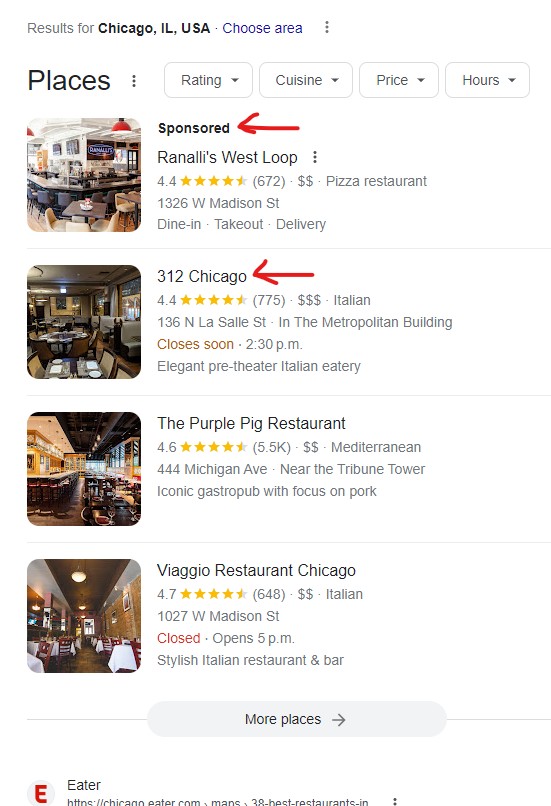
Positive reviews act as social proof, providing potential customers with confidence in choosing your establishment. When people see that others have had enjoyable experiences at your restaurant, they are more likely to trust and visit your establishment themselves. Positive reviews not only help in building trust but also serve as a powerful endorsement, as they are often shared on social media platforms or through word-of-mouth.
To leverage online reviews effectively, you can implement several strategies. Firstly, encourage your satisfied customers to leave reviews on platforms such as Google My Business Restaurant Ad Campaigns, Yelp, or TripAdvisor. This can be done by providing links or reminders on your website, social media pages, or in follow-up emails. Additionally, responding to reviews, both positive and negative, shows that you value customer feedback and are committed to providing exceptional service.
Another strategy is to showcase positive reviews on your website. This can be done by featuring testimonials or creating a dedicated page for customer reviews. By highlighting positive experiences, you create a positive first impression for visitors to your website, increasing their likelihood of conversion.
In conclusion, leveraging online reviews, particularly positive ones, can be a powerful tool for increasing conversion rates. By encouraging customers to leave reviews, responding to feedback, and showcasing positive experiences, you can build trust, drive more traffic to your restaurant, and ultimately increase conversions.
How Positive Reviews Help Drive More Traffic to Your Restaurant

Positive reviews play a crucial role in driving more traffic to a restaurant. When potential customers come across positive reviews, they are more likely to choose that particular establishment over others. These reviews act as social proof, assuring potential customers of the quality and reliability of the Restaurant Ad Campaigns.
In addition to providing trust, positive reviews also impact search engine rankings. Search engines like Google take into account the number and quality of reviews when determining a business's ranking in search results. Restaurants with a high volume of positive reviews are more likely to appear higher in search rankings, increasing their visibility and attracting more potential customers.
Reviews also have a significant influence on the decision-making process of potential customers. Many people rely on the opinions of others when deciding where to dine. Positive reviews assure them of a positive dining experience and make them more likely to visit the restaurant.
Several statistics and data support the correlation between positive online reviews and increased foot traffic. According to a BrightLocal survey, 86% of consumers read reviews for local businesses, including restaurants. Additionally, 91% of consumers aged 18-34 trust online reviews as much as personal recommendations.
In conclusion, positive reviews help drive more traffic to restaurants by building trust, improving search engine rankings, and influencing the decision-making process of potential customers. Therefore, it is crucial for restaurant owners to actively encourage and showcase positive reviews to attract more foot traffic to their establishments.
Frequently Asked Questions
Q: What services do you offer for restaurants?
A: We have many services for restaurants such as Local SEO, PPC Advertising, Google My Business Optimization, and Reputation Management. Each service is designed to enhance your online presence and attract more customers.
Q: How can Google My Business Optimization help my restaurant?
A: Google My Business Optimization ensures that your restaurant's information is accurate and easily discoverable on Google. It helps in displaying your menu, hours of operation, contact details, and customer reviews, enhancing your visibility to local customers.
Q: What is Local SEO, and why is it important for my restaurant?
A: Local SEO focuses on optimizing your online presence to attract more business from relevant local searches. To help people in your area find your restaurant when they search for places to eat, you need to optimize your website and online listings.
Q: How does PPC Advertising work for a restaurant?
A: PPC (Pay-Per-Click) Advertising targets potential customers online through paid ads. We make ads that show up when people search for nearby dining options. You only have to pay when someone clicks on your ad. It's a cost-effective way to drive immediate traffic to your website or reservation page.
Q: Can you manage my restaurant's online reputation?
Yes, our Reputation Management Services cover activities such as monitoring and responding to customer reviews, engaging with customers online, and promoting positive feedback. We work to build and maintain a trustworthy and appealing image for your restaurant.
Q: How do I get started with your services?
A: Getting started is simple! Contact us through our website, email, or phone number, and our dedicated team will discuss your specific needs and goals. We'll tailor a marketing strategy that fits your restaurant, and together we'll make your eatery a local favourite.
Q: Do you offer any special discounts or offers?
A: We frequently run special promotions and offers for our various services. Keep an eye on our website or sign up for our newsletter to stay updated on the latest deals and packages.
Your Page:
Question 1.
What is the difference between Google Ads and SEO?
Understanding the Difference Between Google Ads and SEO
When navigating the digital marketing landscape, it's crucial to differentiate between Google Ads and SEO, two prominent strategies to enhance online visibility.
Google Ads: Instant Visibility Through Paid Campaigns
Google Ads represents a paid advertising platform where businesses bid for ad space to showcase their offerings. This method allows for immediate visibility across various platforms such as Search, Display, and YouTube.
- Pay-Per-Click Model (PPC): Businesses pay each time a user clicks on their advertisement. This means your budget directly influences the number of clicks and potential conversions you can achieve.
- Targeting Options: You can tailor your ads based on factors such as demographics, location, and user intent—enabling precise audience targeting.
- Quick Results: As soon as your campaign goes live, your ads can appear, providing swift exposure and traffic to your website.
SEO: Building Sustainable Organic Presence
Search Engine Optimization (SEO) focuses on optimizing your website to rank higher in organic search results, driving traffic without direct costs per click.
- Keyword Strategy: Identifying and using relevant search terms helps your content appear in search results naturally for interested audiences.
- Content and Link Building: SEO involves creating valuable content and earning backlinks, establishing authority and relevance in your niche.
- Long-term Benefits: While it takes time to build, SEO offers lasting visibility, often yielding stable traffic that doesn’t depend on ongoing ad spend.
Balancing Both for Effective Marketing
To achieve the best results, many businesses blend Google Ads and SEO. This approach allows for immediate traffic through ads, while developing a robust, organic presence over time through SEO. By understanding and leveraging the strengths of both, you can create a comprehensive strategy that meets both short-term needs and long-term goals.
Question 2.
How does ad rank in PPC relate to keyword Quality Score?
Understanding Ad Rank in PPC and Its Connection to Keyword Quality Score
Ad rank is pivotal in determining where your pay-per-click (PPC) advertisements appear on a search engine results page. But how exactly does this relate to the Quality Score of your keywords?
At its core, ad rank is determined by two main factors: your bid for a keyword and the Quality Score of that keyword. Here’s how they intertwine:
- Bid Amount: This is the maximum amount you’re willing to pay for each click on your ad. While bidding higher increases your chance of a better ad position, it’s not the only factor at play.
- Quality Score: This metric evaluates the relevance and quality of your keywords, ad copy, and landing pages. A higher Quality Score means your ad is more likely to meet user expectations, which search engines like Google reward.
Both the bid and Quality Score are multiplied to establish your ad rank. Hence, a superior Quality Score can lead to higher ad placements at a lower cost per click compared to competitors with similar or even higher bids.
By optimizing keyword relevance and ensuring your landing pages deliver a seamless user experience, you can effectively elevate your Quality Score. This approach not only enhances ad rank but also optimizes advertising budget efficiency.
Question 3.
How does PPC affect SEO performance?
How PPC Influences SEO Performance
Understanding the relationship between Pay-Per-Click (PPC) advertising and Search Engine Optimization (SEO) is crucial for any digital marketing strategy. Here are some of the ways PPC impacts SEO performance:
Laser-Focused Keyword Insights
PPC campaigns offer a unique advantage: they reveal precisely which keywords drive the most conversions. By analyzing PPC data, businesses can identify high-performing keywords and tailor their SEO efforts to optimize for these valuable terms. This focused approach ensures that your organic strategy targets keywords that are already proven to attract and engage your audience.
Enhanced Visibility and Engagement
Combining PPC and SEO helps secure more real estate on search engine result pages (SERPs). When both paid ads and organic listings appear for your keywords, it increases your brand's visibility. This dual presence not only captures more attention but also enhances your credibility, making it more likely users will interact with your site. This strategy can significantly increase your Click-Through Rate (CTR).
Audience Insights for Better Targeting
PPC ads provide rich data about your audience’s behavior and preferences. This information can be used to refine your SEO tactics, allowing you to create content and optimize for the topics that resonate most with your target demographic. Such insights ensure that your SEO campaigns are more aligned with user intent, leading to better performance.
Synergistic Effects on User Perception
When users see both a PPC ad and an organic result from the same brand, it often builds trust and increases the likelihood of a click. This synergy can result in improved organic click rates as users view your brand as both relevant and authoritative.
The Competitive Advantage
Employing both PPC and SEO creates a powerful multichannel marketing approach. By using both strategies, you gather more comprehensive data and continuously refine your efforts. This approach not only boosts immediate performance but also strengthens your long-term SEO success, ultimately giving you a competitive edge in a crowded digital marketplace.
In summary, integrating PPC and SEO strategically can lead to a more robust and effective digital presence, ensuring you capture and convert more potential customers.
Question 4.
What is Quality Score in Google Ads and how does it affect ad performance?
Understanding Quality Score in Google Ads
Quality Score is Google's assessment of the effectiveness and relevance of your keywords, ads, and landing pages. This metric ranges from 1 to 10, with 1 indicating poor quality and 10 representing top-notch relevance and user satisfaction.
Importance of Quality Score
Quality Score is crucial because it directly affects your ad performance and costs:
- Better Ad Placement: A higher Quality Score means your ads are more likely to appear in prominent positions on search engine results pages.
- Cost Efficiency: You pay less per click with a higher Quality Score, effectively increasing your return on investment.
Components of Quality Score
Your Quality Score is influenced by:
- Keyword Relevance: How closely your keywords match the user's search intent.
- Ad Quality: The appeal and relevance of your ad text.
- Landing Page Experience: How informative and user-friendly your landing page is.
Impact on Ad Rank
Ad rank determines your ad’s position in search results. It is calculated by multiplying your bid amount with the Quality Score for each keyword. Therefore, a higher score can lead to better ad placements without necessarily increasing your bid.
Conclusion
Improving your Quality Score is a strategic move. It optimizes ad visibility and lessens costs, providing an edge over competitors in the digital advertising landscape.
Question 5.
How does Google Ads compare to SEO in terms of speed of results?
Google Ads vs. SEO: Speed of Results
When it comes to rapidly acquiring new customers, Google Ads stands out as a powerhouse. It offers immediate visibility and can drive sales straightaway. With Google Ads, you can precisely target individuals who are actively searching for solutions to their problems, ensuring your ads reach those most likely to convert.
Instant Impact vs. Long-term Strategy
- Google Ads: Start seeing results from the first day. Once your campaign goes live, your ads can appear at the top of search results, positioning your brand directly in front of potential customers. This makes it an excellent choice for businesses needing quick wins.
- SEO: Building organic traffic through SEO is a longer journey. It often requires months before any significant movement in search engine rankings is visible. The process involves optimizing content and building authority, which naturally takes time.
Key Moments and Targeting
Google Ads provide the flexibility to display your ads not just in search results, but across various platforms like YouTube and Gmail. This multi-channel approach allows you to connect with potential buyers at crucial moments, whether they're searching for a solution or engaging with content online.
In contrast, SEO relies on improving your organic ranking over time. While powerful in the long run, especially for sustained digital presence, it doesn't offer the immediate engagement opportunities that paid ads can.
Ultimately, Google's advertising network delivers quick exposure and potential rapid conversion, whereas SEO thrives on building a foundational, enduring online presence. Businesses often find a balance between both, using Google Ads for instant results and SEO for a lasting impact on their digital footprint.
Question 6.
How can you ensure your ad is constantly in the #1 spot while paying less than competitors?
How to Keep Your Ad at the Top for Less
Everyone wants their ad in the coveted top spot without breaking the bank. Here's how you can achieve this balance and outsmart the competition:
1. Optimize Ad Quality
- Craft Compelling Copy: Ensure your ad text is relevant and engaging. Make the message clear and concise, reflecting your audience's needs.
- Use High-Quality Keywords: Focus on relevance rather than volume. Use tools like Google Keyword Planner to find terms that match user intent without excessive cost.
2. Focus on Ad Relevance
- Align with Your Landing Page: The landing page should match the theme and promises of the ad. This enhances the user experience, contributing to a higher Quality Score.
- Target Appropriate Audiences: Use demographic targeting to reach users most likely to engage with your ad.
3. Improve Click-Through Rate (CTR)
- A/B Testing: Run experiments with different headlines and descriptions to determine what resonates best with your audience.
- Ad Extensions: Utilize sitelinks, call buttons, or location info to add value and encourage clicks.
4. Increase Quality Score
A high Quality Score can lead to lower costs and better positions. It’s evaluated based on:
- CTR: The more users click your ad, the better your quality.
- Ad Relevance: Consistency between your ad, keywords, and landing page.
- Landing Page Experience: Ensure the page is user-friendly and delivers on ad promises.
5. Optimize Bids Strategically
- Utilize Bid Adjustments: Adjust bids based on device, location, and time to ensure you’re targeting the right users at the right moment.
- Leverage Automated Bidding: Platforms like Google Ads offer strategies that optimize bids to meet your specific goals, such as maximizing conversions or clicks.
Conclusion
By focusing on ad quality, relevance, and strategic bidding, you can maintain the top ad position without outspending your competitors. Remember, the key is not just to spend more, but to spend smarter.
Question 7.
How can you choose the right Google Ads agency?
How to Select the Right Google Ads Agency
Choosing the right Google Ads agency is crucial for getting the most out of your advertising budget. Here's how you can make an informed decision:
- Evaluate Their Experience and Expertise
- Look for agencies with proven expertise in Pay-Per-Click (PPC) advertising. Check their past case studies and client testimonials.
- Ensure they have experience in your specific industry, as this knowledge can tailor campaigns to your target audience.
- Assess Their Transparency and Communication
- The right agency should be transparent about their strategies and be willing to walk you through their processes.
- They should provide regular updates and be open to communicating their progress and challenges.
- Check Their Approach to Data and Analytics
- Effective agencies use data-driven strategies. Inquire about their analytical tools and how they track and report campaign performance.
- They should be adept at interpreting data to refine and enhance campaign strategies continuously.
- Look for Customized Strategies
- A generic approach rarely yields optimal results. Ensure the agency offers tailored strategies that align with your specific business goals.
- Inquire About Their Team and Credentials
- Familiarize yourself with the team who will manage your account. Are they certified by Google Ads, and do they have the necessary qualifications?
- Set Clear Expectations and KPIs
- Discuss your expectations and agree on Key Performance Indicators (KPIs) to measure success. This helps in aligning goals and measuring performance effectively.
By meticulously assessing these aspects, you increase the likelihood of partnering with an agency capable of driving significant returns on your advertising investment. Remember, the right Google Ads agency is an extension of your team, dedicated to elevating your business to new heights.
Question 8.
How can smaller budgets compete effectively with bigger competitors in Google Ads?
Maximizing Impact: Competing with Bigger Budgets in Google Ads
Navigating the competitive world of Google Ads can feel daunting, especially when up against big players with expansive budgets. However, smaller budgets can still make a significant impact by employing smart strategies. Here's how:
1. Leverage Long-Tail Keywords
Instead of targeting highly competitive main keywords, focus on long-tail keywords. These are more specific phrases that potential customers use. They often have less competition, lower costs, and higher conversion rates.
2. Emphasize Ad Quality
Quality trumps quantity. Craft compelling, relevant, and targeted ad copy that resonates with your audience. Focus on creating a strong call to action that encourages clicks and engagement.
3. Optimize Landing Pages
Ensure that your landing pages are designed for conversion. They should load quickly, be mobile-friendly, and have clear messaging that aligns with your ads. High-quality landing pages can improve your quality score, directly impacting ad rank and cost-per-click.
4. Use Geo-Targeting
By concentrating on specific geographical areas, you can tailor your ads to the most relevant audience. This not only increases the likelihood of conversion but also allows for more efficient use of your budget.
5. Exploit Ad Scheduling
Analyze when your audience is most active and schedule your ads to display during these peak times. This can prevent unnecessary spending and improve overall ad performance.
6. Monitor and Adjust Bids
Keep an eye on your campaign performance and adjust bids based on data. Competitors may bid aggressively at certain times; responding strategically can maintain your visibility without inflating your costs.
7. Utilize Audience Targeting
Go beyond keyword targeting by using in-market and affinity audiences. This strategy allows you to reach users based on their interests and behaviors, creating opportunities to connect with users most likely to convert.
8. Test and Iterate
Continuous A/B testing of ad elements—such as headlines, descriptions, and visuals—will help refine your approach. Data-driven decisions lead to incremental improvements that maximize returns on every dollar spent.
Employing these strategies will empower your campaign to compete effectively in the crowded Google Ads landscape, ensuring you make every penny work toward capturing and converting potential customers. With these tools, smaller budgets can punch well above their weight, achieving meaningful results even amidst intense competition.
Question 9.
What are the results in terms of impressions, clicks, and conversions from spending on Google Ads?
Results from Google Ads Investment
Investing $23 million in Google Ads can deliver impressive outcomes:
- Impressions: Over 1.35 billion views, showcasing your ad across a vast audience.
- Clicks: Nearly 14.9 million interactions, indicating significant engagement with your content.
- Conversions: More than 547,000 successful actions, turning views into tangible customer actions.
These figures highlight the potential reach and impact of a strategic Google Ads campaign.
Question 10.
How can you evaluate the competence of your paid search agency?
How to Evaluate the Competence of Your Paid Search Agency
Evaluating the effectiveness of your paid search agency is crucial to ensure you get the most from your marketing investment. Here’s a structured approach to help you assess their performance discreetly:
1. Analyze Campaign Structure
- Keyword Selection: Ensure the agency targets a mix of exact, phrase, and broad match types. Are they tapping into long-tail keywords that align with your niche?
- Ad Groups Organization: Well-structured ad groups should be tightly themed with relevant keywords to enhance ad performance.
- Ad Copy Variations: Verify if there are multiple ad variations being tested for performance optimization.
2. Examine Performance Metrics
- Conversion Tracking: Confirm that conversion tracking is set up correctly. Are they measuring leads, sales, or other pivotal actions?
- Click-Through Rate (CTR): Compare your campaign’s CTR with industry benchmarks to gauge effectiveness.
- Quality Score: Check if your ads consistently maintain high Quality Scores, reflecting good ad relevance and keyword alignment.
3. Review Reporting and Communication
- Transparency in Reporting: A competent agency will provide clear and comprehensive reports. Look for details on impressions, clicks, and ROI.
- Frequency and Clarity: Are reports delivered regularly, with insights that are easy to understand? Communication should be proactive and responsive.
4. Evaluate Continuous Optimization Efforts
- A/B Testing: Regular testing of ad copies and landing pages shows ongoing optimization efforts.
- Negative Keyword Use: Ensure they regularly update negative keyword lists to prevent irrelevant clicks.
- Bid Management: Assess their approach to manual vs. Automated bidding strategies to maximize efficiency.
5. Assess Their Industry Knowledge
- Staying Updated with Trends: Agencies should be up-to-date with the latest trends and platform updates from Google Ads and Bing Ads.
- Industry-Specific Solutions: Look for their application of strategies tailored specifically for your industry.
By using these strategies, you can effectively gauge if your paid search agency is truly delivering value or just managing your account at a surface level. Ensure that your partnership is data-driven and perpetually striving for improvement.
Question 11.
How can you bid on keywords that result in actual sales rather than just conversions?
How to Bid on Keywords That Drive Actual Sales
Bidding on keywords that result in real sales rather than just conversions can significantly boost your return on investment (ROI). Here’s how you can refine your keyword strategy to achieve this:
1. Understand the Customer Journey
Map Out Your Funnel: Begin by identifying pivotal points in the customer's journey. Understanding how potential buyers transition from interest to purchase is crucial for selecting high-impact keywords.
2. Use Long-Tail Keywords
Focus on Intent: Long-tail keywords are more specific and closer to purchase intent. For example, instead of "running shoes," consider "buy breathable running shoes online."
3. Leverage Data and Analytics
Analyze Past Performance: Use tools like Google Analytics to evaluate which keywords have previously led to sales. Dive deeper into metrics such as time on site and pages visited to gauge buyer intent.
4. Prioritize High-Intent Keywords
Filter by Commercial Intent: Use keyword planner tools to identify keywords with clear purchasing signals. Keywords like "best," "buy," or "discount" often indicate a readiness to purchase.
5. Implement Negative Keywords
Exclude Non-Buyers: By adding negative keywords to your campaigns, you can filter out irrelevant traffic and focus only on those keywords that truly convert into sales.
6. Continuously Monitor and Adjust
Iterate Based on Results: Regularly review your campaigns to see which keywords are delivering sales and which are not. Adjust your bids accordingly to optimize for performance.
7. Employ Retargeting Strategies
Capture Ready Buyers: Utilize retargeting ads to engage with users who have shown interest but have yet to purchase, thus maximizing the potential for conversion into sales.
8. Test and Optimize Landing Pages
Align Keywords with Content: Ensure that the keywords you're bidding on are directly reflected in the landing page content, effectively nudging visitors towards completing a purchase.
9. Consider Seasonal Trends
Adjust for Demand Fluctuations: Analyze and adjust your keyword bids according to seasonal purchasing patterns to capture sales during peak buying periods.
By implementing these strategies, you can hone in on keywords that not only bring traffic but also convert that traffic into meaningful sales, enhancing your marketing ROI.
Question 12.
What is the recommended strategy to improve Google Ads performance?
Mastering Google Ads: Boost Your Performance with This Strategy
If your Google Ads campaigns aren't delivering the results you hoped for, you're not alone. Many start off by tossing numerous search terms into a single ad group, a common but costly mistake. It’s time to think differently and elevate your ad campaigns.
The Common Pitfall
Imagine loading an ad group with terms like:
- "financial planners Sydney"
- "financial advisors Sydney"
- "financial advice Sydney"
This scattergun approach can severely drain your budget. It's inefficient and leads to lackluster results.
The Strategic Approach: Single Keyword Ad Groups (SKAGs)
To truly enhance your Google Ads performance, focus on creating Single Keyword Ad Groups (SKAGs). Here's how:
- Isolate Keywords: Assign one keyword per ad group. This means each group contains a single search term.
- Craft Targeted Ads: Develop ads specifically tailored to the keyword, ensuring they directly address the searcher's intent and needs.
- Optimize User Experience: By closely aligning your ad content with specific search intents, you're offering users a more relevant and satisfying experience.
Why SKAGs Work Wonders
- Increased Relevance: Ads are more relevant to searchers, leading to higher engagement.
- Higher Conversion Rates: Targeted messaging boosts the likelihood of converting clicks into actions.
- Improved Quality Scores: Google rewards relevance with higher quality scores.
As a result, you'll enjoy lower costs per click, better ad placements, and highly motivated traffic, ultimately leading to greater profitability.
By investing time into developing SKAGs, you're not just optimizing for Google—you're maximizing returns by delivering precisely what searchers seek. Embrace this approach and unlock the full potential of your Google Ads.
Question 13.
What is a Google Ad "hack" that can boost sales significantly?
Unlocking a Game-Changing Google Ad Strategy
Are you looking to significantly boost your sales through Google Ads without breaking the bank? There's a smart strategy that can elevate your advertising game and drive up sales dramatically.
Leverage Dynamic Keyword Insertion (DKI)
This little-known tactic, Dynamic Keyword Insertion, can vastly improve your ad performance. Here's how it works:
- Personalized Ads on Demand: DKI allows you to tailor your ads so that they include the exact search terms potential customers are using. When someone searches for a phrase relevant to your business, your ad can automatically update to include those terms, making it more relevant.
- Enhancing Ad Relevance: This personalized approach can increase your ad's relevance score and click-through rate. When searchers see their exact query reflected in your ad, they're more likely to believe your solution is precisely what they’re looking for.
- Improved Quality Score: A higher ad relevance and click-through rate can result in a better Quality Score. This, in turn, can lower your cost-per-click (CPC) and increase your ad placement, ensuring you get more exposure without additional costs.
- Boosting Conversion Rates: With ads that match a user's intent closely, you're more likely to see an improvement in your conversion rates. This personalized touch can create a compelling call-to-action, pushing potential customers closer to making a purchase.
Steps to Implement DKI
- Step 1: When creating your ad, use the special syntax
{Keyword:Default Text}within your ad copy. This code will dynamically replace the “Keyword” with the search query, with “Default Text” serving as a fallback if the query is too long. - Step 2: Test different variations and measure their performance. Experiment with other headlines, descriptions, and calls to action, keeping the DKI constant to determine what resonates best with your audience.
- Step 3: Regularly analyze your ad performance. Use Google Ads analytics tools to track which keywords are performing well and which aren’t, adjusting your strategy accordingly.
By integrating this versatile Google Ad technique, you'll not only attract more eyes to your products or services but also build a more efficient advertising campaign that maximizes your ROI.
Question 14.
What are some common Google Ads mistakes businesses make?
Common Mistakes Businesses Make with Google Ads
Navigating the intricacies of Google Ads can be tricky, and many businesses inadvertently make costly mistakes. Here’s a breakdown of common pitfalls and how to avoid them:
1. Bidding on Ineffective Keywords
- Sales vs. Conversions: Many focus on conversions that don’t translate to sales. Prioritize keywords that correlate directly with purchases.
- Broad Match Overuse: Relying too heavily on broad match keywords can drain your budget. Instead, opt for phrase or exact matches for precision targeting.
2. Ignoring Unseen Opportunities
- Hidden Profit Pockets: Without diving into analytics, businesses might miss out on small but profitable segments. Regularly analyze your campaign data to uncover these gems.
3. Overlooking Ad Placement and Positioning
- Cost-Efficient Strategies: Constantly trying to outbid competitors isn’t sustainable. Instead, focus on strategic placements that maximize reach for less.
- Consistent Top Spot: It’s possible to maintain a high position without overbidding by improving ad quality and relevance.
4. Neglecting Competition Analysis
- Stealing Market Share: Understand where your competitors stand and identify areas where you can outperform them, even with a smaller budget.
5. Blind Trust in Agencies
- Evaluate Agency Performance: Many businesses don’t have mechanisms to gauge their paid search agency’s effectiveness. Establish metrics for assessment to ensure they’re meeting your needs.
Avoiding these common Google Ads mistakes can help improve your advertising ROI and strengthen your overall digital marketing strategy.
Question 15.
Why is it important to write a super-targeted ad for each keyword?
Why Writing Super-Targeted Ads for Each Keyword Matters
Crafting highly-targeted ads for every keyword significantly enhances user experience. When your ad speaks directly to a potential customer's interests and needs, it resonates more effectively, prompting engagement.
Here's why it's crucial:
- Increased Conversion Rates: Targeted ads address specific search intents, which means they align closely with what potential customers are actively seeking. This alignment leads to higher conversion rates as users find precisely what they're looking for.
- Improved Ad Quality Score: Search engines like Google reward relevance. Ads that are closely related to the search terms boost your Quality Score. A higher Quality Score can mean better ad placements and lower costs per click.
- Enhanced Advertising Efficiency: Targeted ads reduce wastage by focusing your marketing budget only on those keywords that matter. This focused approach ensures that clicks are more affordable and traffic is driven by genuine interest.
- Optimized ROI: Ultimately, the combination of lower costs and higher conversions means that your return on investment is maximized. Each click is more likely to convert, translating into increased sales and profitability.
By meticulously aligning your ad content with specific keywords, you’re not only attracting the right audience but also ensuring that your marketing efforts yield tangible financial rewards.
Question 16.
How can you uncover hidden pockets of profit in Google Ads campaigns?
To uncover hidden pockets of profit in your Google Ads campaigns, you need to implement a strategy that effectively attracts and identifies potential clients. One powerful approach is to utilize a High-Value Content Offer. Here's how it works:
Implementing High-Value Content Offers
- Create a Low-Commitment Offer: Design an engaging piece of content that promises value, such as a case study, whitepaper, or in-depth report. This should be enticing enough for prospects to want more information without requiring a significant initial commitment.
- Encourage Interaction: Prompt your audience to take a small initial step, like signing up to receive the content. This simple action allows you to identify interested prospects and segment your audience efficiently.
- Build Trust and Interest: By delivering valuable information upfront, you establish credibility and pique the interest of your leads, setting the stage for future interactions.
- Leverage Targeting and Retargeting: Use the data gathered from these interactions to refine your targeting. Retarget ads to those who have shown interest, enhancing your campaign’s efficiency and ROI.
- Monitor and Adjust: Regularly analyze campaign performance data to identify trends and opportunities for optimization. Adjust your offers and targeting as needed to continuously capture interest.
Benefits of High-Value Content Offers
- Increased Engagement: Offering genuine value helps in standing out from the competition, capturing attention in a crowded marketplace.
- Lower Initial Investment for Prospects: By requiring only minimal commitment, more prospects are willing to engage, thereby increasing lead volume.
- Enhanced Lead Quality: Identifying those interested in your offer helps in focusing efforts on high-potential prospects, improving overall conversion rates.
By incorporating these strategies, you can tap into unexplored areas of profitability within your Google Ads campaigns, maximizing both engagement and conversion potential.
Question 17.
What is the significance of the landing page in a Google Ads campaign?
The Crucial Role of Landing Pages in Google Ads Campaigns
In the competitive realm of Google Ads, only about 2% of advertisers capture a significant portion of the traffic. What sets these rare winners apart often isn't just the quality of their ads—it's the strategic use of their landing pages.
More Than Just a Click
The landing page is the first destination for anyone clicking on your ad. Think of it as the introductory handshake in a business meeting. It's not just enough for someone to click; it's about making that first impression count.
- Bridge from Interest to Engagement: While a compelling ad can attract a click, the landing page must sustain and enhance that interest. It's not merely about bombarding visitors with sales pitches but nurturing their curiosity and engagement.
The Art of Engagement
Selling is akin to building a relationship, and effective relationships require some finesse and groundwork. How you manage the visitor's journey after they land is crucial:
- Initial Engagement: Instead of pushing for an immediate sale, provide content or an offer that aligns with their needs or interests. This approach feels less like pressuring a sale and more like offering helpful information.
- Establishing Value: A successful landing page lays out why the visitor should care about what you offer. This is the moment to briefly showcase your unique selling points without overwhelming them.
- Call to Action: A well-crafted landing page guides visitors to a clear next step, whether it's downloading a guide, signing up for more information, or taking advantage of a promotional offer. Each call to action should feel like a logical next step rather than a leap toward an immediate purchase.
Don’t Rush the Process
Jumping straight to the hard sell can be off-putting, akin to proposing marriage on a first date. Instead, guide them through a series of intentional interactions:
- Informative Content: Share a "High-Value Content Offer" (HVCO), which can be a low-pressure way to engage potential customers by fulfilling their need for more information.
- Step-by-Step Trust Building: Move potential clients through a series of interactions that build trust and investment in what you offer before asking for a commitment.
Measure Your Success
Landing pages should not only nurture but also allow for data collection and analysis. This provides insights into what elements lead to conversions, enabling continuous improvement.
By focusing on the landing page, you transform each click from a fleeting interest to a meaningful action, ultimately leading to higher conversion rates and sales success. Avoid treating your landing page as an afterthought—it's a crucial touchpoint that can make or break your Google Ads campaign.
Question 18.
How does a High-Value Content Offer (HVCO) help in Google Ads campaigns?
When running Google Ads campaigns, utilizing a High-Value Content Offer (HVCO) can be a game-changer. But what exactly makes it so effective?
Drawing Interest with Low-Commitment Offers
An HVCO is essentially a strategic, low-barrier offer designed to engage potential customers without demanding much from them initially. Think of this as offering a free guide, an informative video, or an insightful report. These materials provide value and entice prospects to show interest without feeling pressured.
Identifying Warm Leads
By deploying an HVCO, you create a method for potential customers to signal their interest in your product or service. Amidst the vast online audience, this helps in pinpointing individuals who are genuinely interested, setting them apart from passive viewers. This approach is akin to raising a hand in a crowded space, ensuring you focus your marketing efforts on those who are more likely to convert.
Building Trust and Engagement
Offering high-quality, relevant content builds trust with your audience. It positions your brand as an authority in your field, drawing attention and establishing a relationship even before any purchase is made. This trust is crucial in nurturing leads through the buyer’s journey.
Streamlining the Sales Funnel
An HVCO serves as a valuable filter in your marketing strategy, allowing you to identify and prioritize leads who are more likely to convert. By focusing on those who have already expressed interest, you can craft more personalized follow-up communications and offers. This not only improves your conversion rates but also enhances the efficiency of your sales funnel.
In conclusion, an HVCO can significantly enhance the effectiveness of your Google Ads campaigns by attracting interested prospects, fostering trust, and streamlining your lead generation process.
Question 19.
How can you make your Google ads more effective and less boring?
How to Make Your Google Ads More Effective and Engaging
Are your Google ads just blending in with the rest? It might be time to revamp your strategy to ensure your ads don't get lost in the sea of digital noise. Here’s how to make them pop and perform better.
Grab Attention with a Strong Hook
First and foremost, your ad’s job is to grab attention. The goal isn't to sell directly but to lure potential customers to click through. Make your headlines intriguing and irresistible. Consider asking a provocative question or presenting a surprising fact.
Optimize for Mobile Browsing
Remember, most users are scrolling through content on their smartphones. This means distractions are everywhere—from social media notifications to cute cat videos. Ensure your ads are mobile-friendly, with quick-loading pages and clear, concise messaging.
Ditch the Clichés
Avoid tired and overused phrases like "established in" or "best in town”. Instead, focus on what truly sets you apart. Start with what makes your product or service unique and why that matters to your audience.
Use Emotional and Relatable Content
People connect more with emotions than with dry facts. Make your message relatable by tapping into emotions, whether it's solving a pain point or fulfilling a desire. Tell a story or paint a picture of the benefits users will experience.
Create a Clear Call to Action
Your ad should contain a clear and compelling call to action (CTA). Whether it's “Discover More,” “Get Your Free Guide,” or “Start Your Journey,” make it crystal clear what the next step is.
Test and Adjust
Finally, remember the importance of testing different versions of your ads. Split testing (A/B testing) can reveal what headlines, descriptions, or CTAs resonate best with your audience. Use data-driven insights to refine your approach continuously.
By focusing on these strategies, your Google ads can become not only more effective but also engaging enough to cut through the clutter and connect with your audience.
Question 20.
What are some insider trade secrets to improve Google Ads campaigns?
Insider Trade Secrets to Elevate Your Google Ads Campaigns
Unlock hidden growth potential in your Google Ads campaigns by avoiding common pitfalls and embracing smart strategies. Here’s a glimpse into some invaluable insider secrets that can transform your advertising efforts:
- Avoid Expensive Blunders: Many ads fail due to costly mistakes. Dissect your campaign to identify and eliminate inefficient spending and mismanaged ad groups.
- Focus on Sales-Driven Keywords: Optimize your bids to prioritize keywords that drive actual sales, not just conversions. This strategy refines your focus and boosts your return on investment.
- Unearth Hidden Profits: Discover unexplored opportunities in your existing campaigns. Minor tweaks can reveal substantial profits with minimal investment.
- Leverage Breakthrough Tactics: Implement lesser-known strategies that have the potential to amplify your sales figures dramatically. These are easily integrated but profoundly effective.
- Outsmart Larger Competitors: You don’t need a large budget to capture market share. Use intelligent bidding and placement strategies to gain an edge over competitors.
- Achieve Top Ad Positions Cost-Effectively: Position your ads strategically to maintain a leading spot while spending less compared to others.
- Evaluate Agency Performance: If you rely on a paid search agency, periodically assess their competence. Implement invisible checks to ensure their strategies align with your business goals.
Embrace these insights to refine your Google Ads approach and witness transformative improvements. Each tactic is a stepping stone toward more profitable and efficient campaigns.
Question 21.
What should the purpose of a Google ad be?
What Should the Purpose of a Google Ad Be?
At its core, a Google ad should serve one primary purpose: to capture attention and entice the audience to take action. This action is typically clicking on the ad, driven by compelling content that piques interest.
Key Objectives of a Google Ad:
- Attract Attention: The ad must stand out among a sea of information. This requires a catchy headline and engaging visuals or text that immediately draw the eye.
- Create Curiosity: Beyond grabbing attention, the ad should spark curiosity. Whether through intriguing offers or intriguing questions, the viewer should feel compelled to learn more.
- Drive Clicks: The ultimate goal is to entice users to click. This involves crafting a message so compelling and relevant that it resonates with the audience’s needs or desires.
- Optimize Relevancy: Ensure that the ad content aligns closely with user search intent. This means using the right keywords and tailoring the message to what the audience seeks.
- Convey Value: Demonstrate the unique value proposition clearly. Highlight benefits or solutions that the user can’t resist exploring further.
By focusing on these objectives, your Google ad will not just exist but thrive in the digital landscape, effectively leading potential customers down the path to making a purchase.
Question 22.
What is a common mistake agencies make with Google Ads campaigns?
What is a Common Mistake Agencies Make with Google Ads Campaigns?
Many agencies fall into the trap of being merely average in their approach to Google Ads campaigns. They tend to showcase competence that achieves only middling results—never quite reaching the level of excellence required in today’s competitive digital landscape.
The Illusion of Proficiency
Often, these agencies stick to a standard procedure. They set up campaigns that seem solid on the surface, but on closer inspection, reveal a series of 'just okay' elements:
- Campaign Structures: Basic frameworks that lack innovation.
- Keyword Selection: Choices are safe but not sharp, failing to capture niche or high-intent terms.
- Bid Types: The strategies prioritize budget control over impact.
- Ad Copy: Content is generic, lacking the hook or the call-to-action that spurs definitive consumer action.
The Erosion of Opportunity
Years ago, achieving success with Google Ads might not have required anything beyond an average skill level due to lower competition and cost. However, as the cost-per-click has soared, a merely adequate approach can no longer sustain profitability. Modern digital marketing requires precision and sharp expertise.
The Fundamental Flaw
One of the biggest missteps agencies make is overlooking the true purpose of ads. They fail to grasp that beyond keywords and bids, the ad's real job is to capture attention and compel action. Without understanding this core objective, even the most well-planned campaign can falter.
In essence, agencies must evolve from being 'okay' to truly elite, adopting strategies that are dynamic and results-oriented to thrive in the ferociously competitive online market.
Question 23.
What is a new way to unlock scale and profit from a Google Ads account?
Unlocking Scale and Profit with Google Ads
Imagine a strategy that turbocharges your customer acquisition through Google Ads, catapulting you toward smashing your growth targets. This process isn't just about gaining more customers; it's about driving sustainable growth and maximizing profits with precision.
Key Tactics to Enhance Google Ads Performance:
- Leverage Advanced Targeting:Utilize Google advanced targeting tools to reach your ideal audience. Refine your targeting based on demographics, interests, and online behavior to ensure your ads are seen by those most likely to convert.
- Optimize Your Ad Copy:Craft compelling and succinct ad copy that speaks directly to your target audience's pain points. Highlight the unique benefits of your product or service, and include a strong call-to-action.
- Harness Automated Bidding:Implement Google automated bidding strategies to optimize your ad spend. These algorithms are designed to find the best opportunities for conversion without blowing your budget.
- Utilize Split Testing:Regularly test different versions of your ads to see which performs best. Experiment with headlines, descriptions, and visuals to refine your strategy continually.
- Focus on High-Quality Landing Pages:Direct traffic to landing pages that are not only visually appealing but also optimized for conversion. Ensure your landing page matches the message of your ad for a seamless user experience.
- Monitor and Adjust:Keep a close eye on your campaign's performance metrics. Be ready to pivot your strategy based on real-time data, ensuring you’re always moving toward profitability.
By applying these strategies, you'll not only increase the volume of customers but also make strides toward becoming a formidable force in your market. Transform your Google Ads account from a simple tool into a thriving engine of growth and profitability.
Question 24.
What common issues arise when increasing budget on Google Ads?
Common Issues When Increasing Your Google Ads Budget
Increasing your Google Ads budget might seem like a straightforward way to boost your campaign's performance, but it can often bring unexpected challenges. Let's explore some common issues that advertisers frequently face:
- Higher Cost Per Lead (CPL) and Cost Per Acquisition (CPA):
- As you pump more money into your campaigns, the cost efficiency can start to decline. You might notice that your CPL and CPA increase as you chase after new impressions and clicks.
- Declining Return on Ad Spend (ROAS):
- Without careful monitoring, your ROAS can start to decrease as well. More spending doesn't always equate to proportional revenue gains, leading to a less favorable return.
- Campaign Performance Drops:
- What used to be your high-performing ads might not yield the same results after the budget bump. Changes in bid strategies and audience saturation can disrupt previously successful patterns.
- Ad Fatigue and Audience Saturation:
- A larger budget can lead to increased ad exposure, which, if not managed well, can cause ad fatigue. Your target audience might become less responsive over time, leading to diminishing returns.
- Budget Misalignment and Ineffective Resource Allocation:
- Without strategic planning, increased budgets can be spread too thin across underperforming campaigns, resulting in wasted resources.
To mitigate these challenges, it's essential to regularly analyze performance data, adjust targeting strategies, and strategically allocate your budget. This ensures that your ads continue to reach the right audience without unnecessary overspending.
Question 25.
What is a Single Keyword Ad Group (SKAG) and how does it work?
What is a Single Keyword Ad Group (SKAG) and How Does it Work?
A Single Keyword Ad Group, or SKAG, is an advanced strategy used in digital advertising to enhance the performance of pay-per-click (PPC) campaigns on platforms like Google Ads.
How Does SKAG Work?
- Focus on One Keyword:
- Each ad group is centered around exactly one keyword or search term. This hyper-focused approach means that every element of the ad is tailored exclusively for this keyword, ensuring relevance and precision.
- Crafting Targeted Ads:
- With the keyword clarified, you develop an ad specifically targeting this term. The ad’s headline, description, and call-to-action are all constructed to resonate perfectly with the specific intent of the searcher using your keyword.
- Advantageous Feedback Loop:
- SKAGs offer a more personalized experience to potential customers, improving the chances of conversion. They often lead to higher click-through rates (CTR) because users find the ad closely aligned with what they’re searching for.
- Improved Quality Score:
- Since relevance is a crucial factor in search engine algorithms, using SKAGs typically results in a higher quality score. Google, for example, rewards this high relevance with benefits such as decreased cost per click (CPC), superior ad placements, and access to audiences that demonstrate high purchasing intent.
The Benefits
- Increased Precision: With SKAGs, your ads are laser-targeted, which means they directly address the needs of the searcher.
- Cost Efficiency: Optimizing for quality scores tends to lower advertising costs, making your campaign budget go further.
- Better Performance Metrics: Higher conversion rates and decreased bounce rates are common, as visitors find exactly what they expect when clicking on these focused ads.
By investing the effort into setting up SKAGs, marketers can harness the power of pinpointed advertising, enjoying improved campaign results and more efficient spending.
Question 26.
How many industries and niches has the team worked in with Google Ads?
The team has successfully navigated Google Ads campaigns across more than 1,067 distinct industries and niches. This vast experience showcases their ability to tailor strategies for a wide variety of markets, ensuring effective and efficient ad performance no matter the field.
Question 27.
How much has the team spent on Google Ads in the last 24 months?
In the past two years, our team has invested more than $23 million in advertising through Google Ads.
PARTIALLY ANSWERED QUESTIONS
Question 1.
How can PPC and SEO be used together to improve overall marketing performance?
Full Answer Combined with Your Original
One of the key digital marketing strategies to reach your target audience is SEO (Search Engine Optimization). By optimizing your website and online content with relevant keywords and metadata, you can improve your rankings in search engine results and attract organic traffic from your target audience.
PPC (Pay-Per-Click) advertising is another powerful tool to reach your target audience. Using platforms like Google Ads, you can create targeted ad campaigns that appear in search engine results when users enter relevant keywords. This allows you to connect with potential customers who are actively searching for restaurant-related products or services.
Combining PPC and SEO can elevate your marketing strategy to a new level. Here's how:
- Keyword Synergy: PPC allows you to pinpoint exactly which keywords are driving sales and customers for your business. You can use this data to refine your SEO strategy, focusing on the most profitable phrases.
- Increased Visibility: By leveraging both PPC and SEO, your business can dominate search engine results pages (SERPs), capturing more attention than competitors. This increased visibility can significantly boost your click-through rates (CTR).
- Valuable Insights: PPC campaigns provide valuable audience data that can inform and enhance your SEO efforts. With better targeting information, you can tailor your content to meet the needs of your audience more effectively.
- Complementary Effects: When searchers see your PPC ad, they may be more inclined to click on your organic search result as well, amplifying your overall impact.
Embracing a multichannel approach by integrating PPC and SEO not only helps you gain further insights but also gives you a competitive edge. This strategic combination is essential for improving long-term marketing performance and maintaining an advantage over competitors.
Sub-Questions
What is the long-term strategic advantage of combining PPC and SEO?
A dual approach utilizing both PPC and SEO offers a competitive edge by enhancing SEO performance over time. This multichannel strategy allows businesses to consistently outpace competitors and maintain a strong presence in search results.
How can PPC provide valuable insights for SEO?
PPC campaigns gather detailed data about audience behavior and preferences, which can be leveraged to fine-tune SEO strategies, ensuring that both paid and organic efforts are aligned with the target audience's interests.
What is the impact of PPC on organic search results?
When users see your PPC ad, it can increase the probability of them also clicking on your organic listings. This suggests that PPC ads can have a positive influence on the performance of your organic search results.
How does combining PPC and SEO enhance visibility on SERPs?
By using PPC and SEO together, businesses can secure more space on search engine results pages. This increased presence captures more attention and improves the likelihood of clicks, as your business stands out more prominently against competitors.
How can PPC inform SEO strategy?
PPC campaigns can be instrumental in identifying which keywords are most effective in driving sales and attracting customers. This information helps businesses adjust their SEO efforts to focus on these high-performing terms, enhancing their overall search strategy.
Question 2.
What are the benefits of using Google Ads for getting customers?
Full Answer Combined with Your Original
"Google Search Ads is a powerful marketing tool for restaurant owners looking to increase customers and revenue. Google Ads allows restaurants to reach their target audience quickly and effectively with its cutting-edge targeting capabilities. Restaurants can create effective campaigns tailored to their specific needs, including location-based targeting, device targeting, and demographic targeting.
With Google Ads, you can create custom Google Ads that are laser-focused on your target audience, allowing you to maximize your Maximizing your return on investment (ROI). You can track and measure your campaign's performance in real-time using Google Ads' analytics.
Benefits of Google Ads for Customer Acquisition
- Immediate Visibility: Unlike SEO, which can take months to deliver results, Google Ads provides immediate visibility. Your restaurant can start attracting new customers from day one by appearing above organic search results.
- Precision Targeting: Use Google Ads to connect with prospects actively searching for dining options. This ensures your ads reach individuals who are ready to make a reservation or order a meal.
- Platform Versatility: Show your ads across a range of platforms, including Google Search, YouTube, Gmail, and numerous websites. This multi-channel approach enhances your restaurant's online presence.
- Campaign Variety: Choose from different campaign types—search, shopping, video, and display—each tailored to suit various promotional needs, ensuring your marketing strategy is flexible and comprehensive.
- Strategic Advantage: Success with Google Ads isn't just about setting up campaigns. Utilizing effective copywriting and optimized landing pages can significantly improve conversion rates, ensuring your advertising dollars are well spent.
By leveraging these benefits, restaurant owners can effectively use Google Ads to drive customer growth and increase revenue, all while maintaining the ability to adapt and refine strategies based on real-time data."
Sub-Questions
Why are Google Ads considered more effective than other methods like SEO in terms of timing?**
Google Ads are advantageous because they can place advertisements in prominent positions almost immediately, whereas SEO efforts may take several months to impact search rankings positively.
What platforms can Google Ads appear on?**
Google Ads can be displayed across multiple platforms, including Google Search, YouTube, Gmail, and various partner websites, offering a broad reach to potential customers.
How can Google Ads be strategically implemented to maximize effectiveness?**
Strategic implementation involves using compelling copy and optimized landing pages to ensure that the traffic generated converts effectively, which can accelerate business growth.
What types of campaigns can businesses run with Google Ads?**
Businesses can choose from a variety of campaign types, such as search, shopping, video, and display, depending on their specific goals and needs.
How quickly can Google Ads deliver results for a business?**
Google Ads can provide immediate results, allowing businesses to connect with potential customers right away, unlike SEO, which typically requires a longer time to show benefits.