How to Make Your Restaurant Go Viral: Proven Strategies for 2025
As we step into 2025, the landscape of viral marketing continues to evolve, driven by technological advancements and shifting consumer behaviors. Viral marketing is no longer just about creating catchy content that spreads like wildfire; it’s about crafting experiences that resonate deeply with audiences. In this digital age, where attention spans are shorter than ever, the key to going viral lies in understanding what truly captivates your target demographic.
This means tapping into their emotions, values, and aspirations, and delivering content that aligns with these elements. Moreover, the rise of artificial intelligence and machine learning has transformed how marketers analyze consumer data. By leveraging these technologies, restaurants can gain insights into customer preferences and behaviors, allowing for more personalized marketing strategies.
In 2025, successful viral campaigns will be those that not only entertain but also engage consumers on a personal level, creating a sense of community and belonging.
This shift towards personalization is crucial for restaurants looking to stand out in a crowded marketplace.
Key Takeaways
Viral marketing in 2025 is all about creating shareable and engaging content that resonates with the target audience.
Leveraging social media platforms for maximum exposure requires a deep understanding of each platform’s unique features and audience demographics.
Influencer marketing is a powerful tool for reaching a larger audience, but it’s important to carefully select influencers who align with your brand values.
User-generated content can help build a community around your brand and create a sense of authenticity and trust among your audience.
Offering unique and Instagrammable experiences can help your brand stand out and attract attention on social media platforms.
Leveraging Social Media Platforms for Maximum Exposure
Social media platforms are the lifeblood of viral marketing, providing an unparalleled opportunity for restaurants to reach vast audiences. In 2025, platforms like TikTok, Instagram, and Facebook will continue to dominate the digital landscape, each offering unique features that can be harnessed for maximum exposure. For instance, TikTok’s short-form video format encourages creativity and spontaneity, making it an ideal platform for restaurants to showcase their culinary delights in fun and engaging ways.
To effectively leverage these platforms, restaurants should focus on creating content that is not only visually appealing but also shareable. This can include behind-the-scenes videos, cooking tutorials, or even customer testimonials. Engaging with trending hashtags and challenges can also help increase visibility and attract new followers.
Additionally, utilizing platform-specific features such as Instagram Stories or Facebook Live can foster real-time interaction with audiences, further enhancing engagement and brand loyalty.
Creating Shareable and Engaging Content
The cornerstone of any successful viral marketing strategy is the creation of shareable content. In 2025, this means going beyond traditional promotional materials and focusing on storytelling that resonates with your audience. Restaurants should aim to create content that evokes emotions—whether it’s joy, nostalgia, or even humor.
For example, sharing heartwarming stories about the origins of a signature dish or highlighting the journey of local farmers can create a deeper connection with customers. Visual content is particularly powerful in driving shares. High-quality images and videos that showcase mouth-watering dishes or unique dining experiences can entice viewers to share with their networks.
Additionally, incorporating interactive elements such as polls or quizzes can encourage participation and increase the likelihood of shares. Remember, the more engaging your content is, the more likely it is to go viral.
Implementing Influencer Marketing to Reach a Larger Audience
Influencer marketing has become a pivotal strategy for restaurants looking to expand their reach in 2025. Collaborating with influencers who align with your brand values can introduce your restaurant to new audiences and lend credibility to your offerings. When selecting influencers, it’s essential to consider their engagement rates and authenticity rather than just their follower count.
Micro-influencers, in particular, often have more dedicated followers and can drive higher engagement levels. To maximize the impact of influencer partnerships, restaurants should encourage influencers to create authentic content that showcases their dining experience. This could involve hosting exclusive tasting events or inviting them to participate in cooking classes.
By allowing influencers to share their genuine experiences with their followers, restaurants can foster trust and encourage potential customers to visit.
Utilizing User-Generated Content to Build a Community
User-generated content (UGC) is a powerful tool for building community and fostering brand loyalty among restaurant patrons. In 2025, encouraging customers to share their experiences on social media can significantly enhance your restaurant’s visibility. This could involve creating a unique hashtag for customers to use when posting about their visits or running contests that incentivize sharing.
Highlighting UGC on your restaurant’s social media channels not only showcases your customers but also creates a sense of belonging within your community. Sharing photos or testimonials from satisfied diners can serve as social proof, encouraging others to visit your establishment.
Additionally, featuring UGC in marketing materials or on your website can further strengthen the connection between your brand and its customers.
Offering Unique and Instagrammable Experiences
In an era where social media plays a significant role in dining decisions, offering unique and Instagrammable experiences is essential for restaurants looking to attract attention in 2025. This could range from visually stunning dishes to immersive dining environments that encourage guests to capture and share their experiences online. For instance, consider incorporating interactive elements into your dining experience, such as DIY food stations or themed decor that aligns with current trends.
Creating an Instagram-worthy atmosphere doesn’t have to be limited to food presentation; it can also extend to the overall ambiance of your restaurant. Thoughtfully designed interiors with eye-catching art installations or unique lighting can entice guests to take photos and share them on social media. By prioritizing these experiences, restaurants can not only enhance customer satisfaction but also increase their chances of going viral.
Engaging with Customers and Encouraging User Participation
Engagement is key to building lasting relationships with customers in 2025. Restaurants should actively interact with their audience on social media by responding to comments, sharing user-generated content, and asking for feedback. This two-way communication fosters a sense of community and makes customers feel valued.
Additionally, hosting events such as Q&A sessions or live cooking demonstrations can further enhance engagement and encourage participation. Encouraging user participation can also take the form of interactive campaigns or challenges that invite customers to get involved. For example, consider launching a recipe contest where customers submit their own creations using your restaurant’s ingredients.
Not only does this generate excitement around your brand, but it also provides valuable content that can be shared across social media platforms.
Measuring and Analyzing Viral Campaigns for Continued Success
To ensure the success of viral marketing efforts in 2025, it’s crucial for restaurants to measure and analyze the performance of their campaigns continually. Utilizing analytics tools can provide insights into key metrics such as engagement rates, reach, and conversion rates. By understanding what works and what doesn’t, restaurants can refine their strategies and optimize future campaigns for better results.
Additionally, gathering feedback from customers through surveys or social media polls can offer valuable insights into their preferences and expectations. This data-driven approach allows restaurants to adapt their marketing strategies based on real-world feedback, ensuring they remain relevant in an ever-changing landscape. By prioritizing measurement and analysis, restaurants can create a cycle of continuous improvement that drives long-term success in viral marketing efforts.
In conclusion, as we navigate the dynamic world of viral marketing in 2025, restaurants must embrace innovative strategies that resonate with their audiences. By leveraging social media platforms effectively, creating engaging content, collaborating with influencers, utilizing user-generated content, offering unique experiences, fostering customer engagement, and measuring campaign success, restaurants can position themselves for growth and visibility in an increasingly competitive market. The key lies in understanding consumer behavior and adapting strategies accordingly—ensuring that every marketing effort not only captures attention but also builds lasting relationships with customers.
If you’re looking to enhance your restaurant’s customer engagement, you may want to check out this article on restaurant customer engagement in Sainte-Therese, Quebec. It offers valuable insights and strategies to help you connect with your patrons and keep them coming back for more. Additionally, if you’re interested in optimizing your restaurant’s mobile presence, this article on restaurant social media marketing in Chilliwack, British Columbia offers expert advice on how to leverage social platforms to attract new customers and increase brand awareness.
What are some proven strategies for making a restaurant go viral in 2025?
Some proven strategies for making a restaurant go viral in 2025 include leveraging social media platforms, creating unique and shareable content, offering interactive experiences, collaborating with influencers, and providing exceptional customer service.
How can social media platforms be leveraged to make a restaurant go viral?
Social media platforms can be leveraged to make a restaurant go viral by creating visually appealing content, engaging with followers, running contests and giveaways, partnering with food delivery apps, and utilizing paid advertising to reach a wider audience.
What types of unique and shareable content can help a restaurant go viral?
Unique and shareable content that can help a restaurant go viral includes behind-the-scenes videos, interactive polls and quizzes, user-generated content, visually stunning food and drink photos, and engaging storytelling about the restaurant’s history and values.
How can a restaurant offer interactive experiences to increase virality?
A restaurant can offer interactive experiences to increase virality by hosting themed events, live cooking demonstrations, interactive menu items, and immersive dining experiences that encourage customers to share their experiences on social media.
What is the role of collaborating with influencers in making a restaurant go viral?
Collaborating with influencers can help make a restaurant go viral by reaching a larger and more targeted audience, creating authentic and engaging content, and leveraging the influencer’s credibility and following to increase brand awareness and customer engagement.
Why is exceptional customer service important for making a restaurant go viral?
Exceptional customer service is important for making a restaurant go viral because satisfied customers are more likely to share their positive experiences with others, leading to word-of-mouth recommendations and organic social media buzz that can help the restaurant gain viral attention.
What We Can Learn from Restaurants That Went Viral Overnight
In today’s digital age, social media has become an indispensable tool for restaurants aiming to achieve viral status. Platforms like Instagram, TikTok, and Facebook allow eateries to showcase their unique offerings and engage with potential customers in real-time. A single post can reach thousands, if not millions, of users, creating a ripple effect that can lead to unprecedented foot traffic and online orders.
The visual nature of these platforms is particularly advantageous for restaurants, as mouthwatering images and videos of dishes can entice viewers and encourage them to visit. Moreover, social media serves as a platform for storytelling. Restaurants can share their journey, highlight their staff, and showcase the sourcing of their ingredients.
This humanizes the brand and fosters a connection with the audience. When customers feel a personal connection to a restaurant, they are more likely to share their experiences, further amplifying the restaurant’s reach. Engaging content that resonates with followers can turn casual diners into loyal patrons, making social media a powerful catalyst for growth.
Key Takeaways
Social media can propel a restaurant to viral status, reaching a wide audience and increasing visibility.
Unique and eye-catching menu items are important for attracting attention and creating a memorable dining experience.
Creating an Instagrammable ambiance can encourage customers to share their experience on social media, further boosting visibility.
Leveraging influencers and celebrities can significantly increase a restaurant’s visibility and attract new customers.
Timing and trend-riding play a crucial role in going viral, as capitalizing on popular trends can increase a restaurant’s visibility and appeal.
The Importance of Unique and Eye-Catching Menu Items
In a crowded marketplace, having unique and eye-catching menu items is crucial for standing out. Diners are constantly seeking new experiences, and a distinctive dish can be the key to capturing their attention. Whether it’s an innovative twist on a classic recipe or an entirely new culinary creation, memorable menu items can spark curiosity and drive social media shares.
For instance, dishes that incorporate vibrant colors or unusual ingredients often perform well online, as they are visually appealing and encourage diners to snap photos before indulging. Additionally, limited-time offerings or seasonal specials can create a sense of urgency among customers. When people know that a particular dish is only available for a short period, they are more likely to visit the restaurant to try it out.
This strategy not only boosts immediate sales but also generates buzz on social media as patrons share their experiences with friends and followers. By continually refreshing the menu with unique items, restaurants can keep their offerings exciting and maintain customer interest over time.
Creating a Memorable and Instagrammable Ambiance
The ambiance of a restaurant plays a significant role in its overall appeal and can greatly influence its viral potential. An inviting and aesthetically pleasing environment encourages diners to take photos and share them on social media platforms. Elements such as unique decor, creative lighting, and themed seating areas can enhance the dining experience and make it more shareable.
For example, restaurants that incorporate interactive elements—like wall murals or photo booths—can create opportunities for guests to capture memorable moments that they will want to share online. Moreover, the ambiance should align with the restaurant’s brand identity. A casual eatery may opt for a laid-back vibe with rustic decor, while a fine dining establishment might focus on elegance and sophistication.
Consistency in design helps reinforce the brand message and makes it easier for customers to identify the restaurant in their feeds. By investing in an Instagrammable ambiance, restaurants can turn their space into a marketing tool that attracts new customers and encourages repeat visits.
Leveraging Influencers and Celebrities to Boost Visibility
Collaborating with influencers and celebrities can significantly enhance a restaurant’s visibility and credibility. These individuals often have large followings on social media, which means that their endorsement can introduce the restaurant to a broader audience. When influencers share their dining experiences, they not only provide authentic testimonials but also create engaging content that resonates with their followers.
This type of organic promotion can lead to increased foot traffic and online orders as fans are eager to try out the places their favorite personalities recommend. To maximize the impact of influencer partnerships, restaurants should carefully select individuals whose values align with their brand. Micro-influencers, who have smaller but highly engaged audiences, can be particularly effective in driving local traffic.
By inviting influencers to exclusive tasting events or offering them unique experiences, restaurants can generate buzz that translates into real-world visits. Additionally, featuring user-generated content from these influencers on the restaurant’s own social media channels can further amplify reach and engagement.
The Role of Timing and Trend-riding in Going Viral
Timing is everything when it comes to achieving viral success in the restaurant industry. Being aware of current trends and cultural moments allows restaurants to tailor their marketing strategies accordingly. For instance, launching a themed menu around a popular movie release or capitalizing on food trends—such as plant-based dishes or gourmet street food—can attract attention from both media outlets and social media users alike.
By positioning themselves at the forefront of these trends, restaurants can create content that resonates with audiences looking for the latest culinary experiences. Additionally, leveraging seasonal events or holidays can provide opportunities for creative marketing campaigns. Restaurants that offer special promotions or themed dishes during holidays like Halloween or Valentine’s Day often see increased engagement and foot traffic.
By staying attuned to what’s trending in both the culinary world and popular culture, restaurants can craft timely campaigns that capture attention and encourage sharing among diners.
The Impact of Online Reviews and Customer Engagement
In an era where online reviews hold significant weight in consumer decision-making, managing customer feedback is essential for restaurants aiming for viral success. Positive reviews on platforms like Yelp, Google, and TripAdvisor can enhance a restaurant’s reputation and attract new customers. Conversely, negative reviews can deter potential diners if not addressed promptly.
Engaging with customers through these platforms—whether by thanking them for positive feedback or addressing concerns raised in negative reviews—demonstrates that the restaurant values its patrons’ opinions. Encouraging satisfied customers to leave reviews can also bolster a restaurant’s online presence. Simple strategies like follow-up emails after dining experiences or offering incentives for leaving reviews can increase the volume of positive feedback.
Additionally, showcasing glowing reviews on social media or the restaurant’s website can serve as powerful testimonials that build trust with potential customers.
By actively managing online reputation and fostering customer engagement, restaurants can create a loyal community that supports their growth.
Managing the Surge in Demand and Maintaining Quality
When a restaurant goes viral, it often experiences a surge in demand that can be both exciting and overwhelming.
Managing this influx while maintaining quality is crucial for long-term success.
Restaurants must be prepared with adequate staffing levels and inventory to handle increased foot traffic without compromising service or food quality.
This may involve hiring temporary staff during peak times or streamlining kitchen operations to ensure efficiency. Additionally, maintaining open lines of communication with customers is vital during high-demand periods. Informing patrons about wait times or menu item availability through social media updates or signage can help manage expectations and enhance the overall dining experience.
By prioritizing quality service even during busy times, restaurants can turn first-time visitors into repeat customers who are eager to share their positive experiences online.
Turning Viral Success into Long-term Business Growth
Achieving viral status is just the beginning; turning that success into long-term business growth requires strategic planning and execution. Restaurants should capitalize on their newfound visibility by implementing loyalty programs or special promotions that encourage repeat visits. Engaging with customers through email newsletters or social media updates keeps them informed about new menu items, events, or exclusive offers.
Furthermore, analyzing data from viral campaigns can provide valuable insights into customer preferences and behaviors. Understanding what worked well—and what didn’t—can inform future marketing strategies and menu development. By continuously innovating and adapting to customer feedback, restaurants can build a loyal customer base that sustains growth long after the initial viral moment has passed.
In conclusion, leveraging social media effectively, creating unique menu items, crafting an inviting ambiance, collaborating with influencers, riding trends, managing online reviews, handling demand surges, and planning for long-term growth are all essential components of achieving viral success in the restaurant industry. By focusing on these strategies, restaurants can not only capture attention but also foster lasting relationships with their customers that drive sustained business success.
In a related article on restaurant website maintenance in Louisbourg, Nova Scotia, dinemarketers.com discusses the importance of keeping a restaurant’s online presence up-to-date and engaging. This article complements the insights gained from studying restaurants that went viral overnight, as it emphasizes the role of a well-designed website in attracting and retaining customers. By partnering with a restaurant marketing agency in London, Ontario, establishments can ensure that their online platforms are optimized for success and ready to capitalize on any sudden surge in popularity. To learn more about how a strong brand and effective website design can contribute to a restaurant’s success, check out the article here.
What does it mean for a restaurant to go viral overnight?
When a restaurant goes viral overnight, it means that it has suddenly gained widespread attention and popularity, often due to a social media post, news article, or other form of online content that has been widely shared.
What are some common factors that contribute to a restaurant going viral overnight?
Some common factors that contribute to a restaurant going viral overnight include unique menu items, visually appealing dishes, creative marketing strategies, celebrity endorsements, and positive customer reviews.
How can restaurants capitalize on their sudden viral success?
Restaurants can capitalize on their sudden viral success by leveraging social media to engage with their new audience, offering promotions or special menu items to attract new customers, and ensuring that they provide a high-quality dining experience to encourage repeat business.
What can other businesses learn from restaurants that have gone viral overnight?
Other businesses can learn from restaurants that have gone viral overnight by understanding the power of social media and online marketing, the importance of creating unique and shareable content, and the value of providing exceptional customer experiences to capitalize on sudden popularity.
How to Get Your Restaurant Featured on Google’s Discover & News Feeds
In the ever-evolving landscape of digital marketing, Google’s Discover and News Feeds have emerged as powerful tools for businesses, particularly in the restaurant industry.
Google Discover is a personalized content feed that appears on mobile devices, showcasing articles, videos, and other content tailored to users’ interests.
Unlike traditional search results, which are driven by user queries, Discover anticipates what users might want to see based on their previous interactions and preferences.
This means that for restaurants, having a presence in Discover can significantly enhance visibility and attract new customers who may not be actively searching for dining options. Similarly, Google News Feed aggregates news articles from various sources, providing users with the latest updates on topics they care about. For restaurants, this can be an opportunity to share newsworthy events, such as new menu launches, special promotions, or community involvement.
By understanding how these feeds operate, restaurant owners can strategically position their content to reach a broader audience. The key lies in creating engaging, relevant content that resonates with potential diners and encourages them to explore your restaurant further.
Key Takeaways
Google’s Discover & News Feeds are personalized content streams that showcase articles, videos, and other content based on user interests and search history.
Optimizing your restaurant’s website for Google’s Discover & News Feeds involves creating high-quality, relevant content that aligns with user interests and search queries.
Creating high-quality and relevant content for Google’s Discover & News Feeds involves understanding your target audience, conducting keyword research, and providing valuable information.
Utilizing keywords and tags effectively in your content can help improve visibility and ranking in Google’s Discover & News Feeds.
Incorporating visuals and multimedia such as images, videos, and infographics can enhance the appeal and engagement of your content in Google’s Discover & News Feeds.
Optimizing Your Restaurant’s Website for Google’s Discover & News Feeds
To effectively tap into the potential of Google’s Discover and News Feeds, optimizing your restaurant’s website is crucial. Start by ensuring that your website is mobile-friendly, as both feeds primarily cater to mobile users. A responsive design not only enhances user experience but also improves your chances of being featured in these feeds.
Additionally, fast loading times are essential; slow websites can deter users and negatively impact your search rankings. Another critical aspect of optimization is structured data markup. Implementing schema markup helps search engines understand the content of your website better, making it easier for them to categorize and display your information in Discover and News Feeds.
For restaurants, this could include details about your menu items, location, hours of operation, and customer reviews. By providing clear and concise information through structured data, you increase the likelihood of appearing in relevant searches and feeds.
Creating High-Quality and Relevant Content
Content is king in the digital realm, and this holds true for Google’s Discover and News Feeds. To capture the attention of potential diners, focus on creating high-quality content that is both informative and engaging. This could include blog posts about seasonal menu changes, behind-the-scenes looks at your kitchen staff, or stories about local suppliers you work with.
The more authentic and relatable your content is, the more likely it will resonate with your audience.
Moreover, relevance is key. Tailor your content to reflect current trends and local events that may interest your target demographic.
For instance, if there’s a food festival happening in your area, consider writing a blog post about it or sharing recipes inspired by the event. By aligning your content with what’s happening in the community or industry, you not only enhance engagement but also increase the chances of being featured in Google’s feeds.
Utilizing Keywords and Tags
Incorporating relevant keywords and tags into your content is essential for improving visibility in Google’s Discover and News Feeds. Start by conducting keyword research to identify terms that potential customers are searching for related to your restaurant. This could include specific cuisines, dining experiences, or local attractions.
Once you have a list of keywords, strategically integrate them into your website content, blog posts, and social media updates. Tags also play a significant role in categorizing your content. Use descriptive tags that accurately reflect the themes of your posts.
For example, if you’re sharing a recipe for a popular dish at your restaurant, include tags like “Italian cuisine,” “pasta recipes,” or “family-friendly dining.” This not only helps search engines understand your content better but also makes it easier for users to find related articles when browsing through Google’s feeds.
Incorporating Visuals and Multimedia
Visual content is a powerful tool for capturing attention and enhancing engagement. In the context of Google’s Discover and News Feeds, incorporating high-quality images and multimedia elements can significantly boost your restaurant’s visibility. Consider using mouth-watering photos of your dishes, vibrant images of your restaurant’s ambiance, or even videos showcasing food preparation techniques.
These visuals not only make your content more appealing but also encourage users to click through to learn more. Additionally, consider creating infographics or short video clips that highlight unique aspects of your restaurant. For instance, you could produce a video tour of your establishment or an infographic detailing the sourcing of your ingredients.
Such multimedia elements can make your content more shareable on social media platforms, further increasing its reach and potential to appear in Google’s feeds.
Engaging with Your Audience
Fostering Interaction
Encourage interaction by inviting customers to leave comments on your blog posts or social media updates. Responding to these comments promptly shows that you value their input and are interested in building a community around your restaurant.
Running Contests and Polls
Consider running contests or polls related to your menu items or dining experiences. For example, you could ask followers to vote on their favorite dish or suggest new menu items they’d like to see. This not only generates excitement but also provides valuable insights into customer preferences.
Building Loyalty and Driving Traffic
Engaging with your audience in meaningful ways can lead to increased loyalty and word-of-mouth referrals, both of which are invaluable for driving traffic to your restaurant.
Leveraging Google My Business
Google My Business (GMB) is an essential tool for restaurants looking to enhance their online presence. By claiming and optimizing your GMB listing, you can provide potential customers with crucial information such as location, hours of operation, menu items, and customer reviews. A well-maintained GMB profile can significantly improve your chances of appearing in local search results and Google’s feeds.
To maximize the benefits of GMB, regularly update your listing with fresh content. Post updates about special promotions, events, or new menu items directly on your GMB profile. Additionally, encourage satisfied customers to leave positive reviews; these testimonials not only enhance credibility but also improve visibility in search results.
By actively managing your GMB profile, you create a dynamic online presence that attracts more diners to your restaurant.
Measuring and Analyzing Performance
Finally, measuring and analyzing the performance of your efforts is crucial for ongoing success in leveraging Google’s Discover and News Feeds. Utilize tools like Google Analytics to track website traffic, user engagement metrics, and conversion rates from various sources. Pay attention to which types of content perform best in terms of attracting visitors from Google’s feeds; this data can inform future content strategies.
Additionally, monitor social media engagement metrics to gauge how well your posts resonate with audiences across platforms. Are certain visuals or topics generating more shares? Are there specific times when engagement peaks?
By analyzing this data regularly, you can refine your approach to better align with audience preferences and maximize the impact of your marketing efforts. In conclusion, harnessing the power of Google’s Discover and News Feeds requires a multifaceted approach that combines website optimization, high-quality content creation, audience engagement, and performance analysis. By implementing these strategies effectively, restaurants can significantly enhance their visibility online and attract new customers eager to experience what they have to offer.
Start today by evaluating your current digital presence and identifying areas for improvement—your next wave of diners could be just a click away!
If you’re looking to improve your restaurant’s digital strategy in Toronto, Ontario, you may want to check out this article on restaurant digital strategy in Toronto, Ontario. This article provides valuable insights and tips on how to effectively market your restaurant online and attract more customers. Additionally, if you’re interested in optimizing your restaurant’s presence on Google’s local search results in Perce, Quebec, you can read this article on restaurant Google local optimization in Perce, Quebec. And for those looking to improve conversion rates at their restaurant in Dorval, Quebec, this article on restaurant conversion optimization in Dorval, Quebec offers valuable tips and strategies to help you increase sales and grow your business.
Google’s Discover is a feature that shows users personalized content recommendations based on their interests and search history. Google’s News Feed is a feature that displays news articles and updates based on the user’s preferences and browsing history.
Why is it important for a restaurant to be featured on Google’s Discover and News Feeds?
Being featured on Google’s Discover and News Feeds can increase a restaurant’s visibility and attract more potential customers. It can also help in building brand awareness and credibility.
How can a restaurant get featured on Google’s Discover and News Feeds?
To get featured on Google’s Discover and News Feeds, a restaurant can optimize its website and content for search engines, create high-quality and relevant content, and use structured data markup to provide information about the restaurant’s offerings.
What are some tips for optimizing a restaurant’s content for Google’s Discover and News Feeds?
Some tips for optimizing a restaurant’s content for Google’s Discover and News Feeds include creating engaging and visually appealing content, using relevant keywords, and providing accurate and up-to-date information about the restaurant.
Can a restaurant pay to be featured on Google’s Discover and News Feeds?
No, restaurants cannot pay to be featured on Google’s Discover and News Feeds. The content that appears on these features is determined by Google’s algorithms and the relevance of the content to the user’s interests and search history.
Viral Marketing Topics for Restaurants
Viral marketing is a powerful strategy that leverages the interconnectedness of social media and digital platforms to spread a message rapidly and widely. At its core, viral marketing aims to create content that resonates so deeply with audiences that they feel compelled to share it with their networks. This organic sharing can lead to exponential growth in brand awareness and customer engagement, making it an invaluable tool for restaurants looking to stand out in a crowded marketplace.
The essence of viral marketing lies in its ability to tap into emotions—whether it’s humor, nostalgia, or inspiration—creating a connection that encourages sharing. For restaurants, understanding the mechanics of viral marketing is crucial. It’s not just about creating a catchy video or a funny meme; it’s about crafting a narrative that aligns with your brand identity and speaks to your audience’s values.
Successful viral campaigns often incorporate elements of storytelling, making the content relatable and memorable. By focusing on what makes your restaurant unique—be it your signature dish, your commitment to sustainability, or your community involvement—you can create a compelling narrative that invites customers to engage and share.
Key Takeaways
Viral marketing is a strategy that relies on individuals to spread a marketing message to others, creating exponential growth in brand exposure.
Identifying your target audience is crucial for viral marketing success, as it allows you to tailor your content to resonate with the right people.
Creating shareable content involves producing engaging, relevant, and valuable material that encourages people to share it with their networks.
Leveraging social media platforms is essential for viral marketing, as it provides a powerful channel for reaching and engaging with a large audience.
Utilizing influencer marketing involves partnering with individuals who have a strong influence over your target audience to promote your brand and content.
Identifying Your Target Audience
Understanding Your Current Customer Base
Start by analyzing your current customer base to gain valuable insights. What demographics do they belong to? What are their dining habits?
Understanding these factors will help you create content that resonates with them on a personal level.
Delving Deeper into Online Behavior
Once you have a clear picture of your audience, delve deeper into their online behavior. What social media platforms do they frequent? What types of content do they engage with most? By leveraging tools like Google Analytics and social media insights, you can gather valuable data that informs your marketing strategy.
The Benefits of a Targeted Approach
This targeted approach not only increases the likelihood of your content going viral but also fosters a sense of community among your customers, as they feel seen and understood by your brand.
Creating Shareable Content
Creating shareable content is both an art and a science. The key is to produce material that is not only engaging but also encourages viewers to share it with their friends and followers. Start by brainstorming ideas that align with your restaurant’s brand and values.
Consider incorporating humor, stunning visuals, or heartwarming stories that highlight your staff or customers. For instance, a behind-the-scenes look at how your signature dish is made can captivate food lovers and encourage them to share their experience. Another effective strategy is to tap into current trends or challenges that resonate with your audience.
Whether it’s a popular meme format or a viral dance challenge, integrating these elements into your content can significantly boost its shareability. Additionally, consider creating interactive content such as polls, quizzes, or contests that invite participation. This not only increases engagement but also encourages users to share their results with their networks, amplifying your reach.
Leveraging Social Media Platforms
Social media platforms are the lifeblood of viral marketing, providing the perfect stage for your content to gain traction. Each platform has its unique characteristics and audience demographics, so it’s essential to tailor your approach accordingly. For instance, Instagram is ideal for visually appealing content, making it perfect for showcasing mouth-watering dishes or vibrant restaurant interiors.
High-quality images and engaging stories can entice users to share their experiences at your restaurant. On the other hand, platforms like TikTok and Twitter thrive on quick, punchy content that captures attention instantly. Short videos showcasing cooking hacks or fun staff interactions can resonate well on TikTok, while witty tweets or engaging polls can spark conversations on Twitter.
By understanding the nuances of each platform, you can maximize your content’s potential for virality and ensure it reaches the right audience at the right time.
Utilizing Influencer Marketing
Influencer marketing has emerged as a powerful tool for restaurants looking to expand their reach and credibility. Collaborating with influencers who align with your brand values can introduce your restaurant to new audiences and lend authenticity to your marketing efforts. Start by identifying local influencers who have a genuine passion for food and dining experiences.
Their followers are likely to trust their recommendations, making them ideal partners for promoting your restaurant. When working with influencers, it’s essential to allow them creative freedom in how they present your restaurant. Authenticity is key; followers can easily spot overly scripted promotions.
Encourage influencers to share their genuine experiences at your restaurant—whether it’s trying out a new dish or enjoying a special event. This organic approach not only enhances engagement but also fosters a sense of community among their followers, encouraging them to visit your restaurant and share their experiences.
Encouraging User-Generated Content
Unlock the Power of User-Generated Content
User-generated content (UGC) is an invaluable asset for restaurants looking to enhance their online presence and foster community engagement. By encouraging customers to share their experiences—whether through photos, reviews, or social media posts—you create a wealth of authentic content that showcases the unique atmosphere and offerings of your restaurant.
Create a Branded Hashtag to Encourage UGC
One effective way to encourage UGC is by creating a branded hashtag that customers can use when posting about their visits.
Incentivize Customers to Share Their Experiences
Consider hosting contests or challenges that incentivize customers to share their experiences online. For example, you could run a photo contest where diners post pictures of their meals using your designated hashtag for a chance to win a gift card or free meal. This not only generates buzz around your restaurant but also provides you with a treasure trove of authentic content that you can repurpose across your marketing channels.
Tracking and Analyzing Campaign Performance
Tracking and analyzing the performance of your viral marketing campaigns is crucial for understanding what works and what doesn’t. Utilize analytics tools available on social media platforms and Google Analytics to monitor key metrics such as engagement rates, shares, and conversions. By analyzing this data, you can gain insights into which types of content resonate most with your audience and adjust your strategy accordingly.
Regularly reviewing campaign performance allows you to identify trends and patterns that can inform future marketing efforts. For instance, if you notice that video content consistently performs better than static images, consider prioritizing video production in your upcoming campaigns. Additionally, gathering feedback from customers through surveys or social media interactions can provide valuable insights into their preferences and expectations.
Implementing Viral Marketing Strategies in Your Restaurant
Implementing viral marketing strategies in your restaurant requires a blend of creativity, authenticity, and strategic planning. Start by developing a clear marketing plan that outlines your goals, target audience, and key messaging. Ensure that all team members are aligned with this vision and understand the importance of creating shareable experiences for customers.
Consider hosting special events or themed nights that encourage social sharing—such as trivia nights or cooking classes—that provide unique experiences for diners. Promote these events through social media and email newsletters to generate excitement and anticipation. Additionally, don’t underestimate the power of storytelling; share behind-the-scenes glimpses of your restaurant’s journey on social media to foster a deeper connection with your audience.
In conclusion, viral marketing presents an exciting opportunity for restaurants to enhance their visibility and engage with customers in meaningful ways. By understanding the principles of viral marketing, identifying your target audience, creating shareable content, leveraging social media platforms, utilizing influencer partnerships, encouraging user-generated content, tracking performance metrics, and implementing strategic initiatives within your restaurant, you can cultivate a thriving community around your brand. Embrace these strategies today and watch as your restaurant transforms into a viral sensation!
If you are interested in learning more about restaurant branding services, check out this article on restaurant branding services in Sorel-Tracy, Quebec. This article discusses the importance of creating a strong brand identity for your restaurant and how it can help attract more customers. It also offers tips on how to effectively brand your restaurant to stand out in a competitive market.
Viral marketing for restaurants is a marketing strategy that aims to spread a message or promotion quickly and widely through word-of-mouth and social media sharing. It leverages the power of social networks and encourages customers to share content with their friends and followers.
What are some examples of viral marketing for restaurants?
Examples of viral marketing for restaurants include creating unique and shareable content such as videos, memes, or challenges, offering incentives for customers to share their experiences on social media, and partnering with influencers to promote the restaurant to their followers.
How can restaurants use social media for viral marketing?
Restaurants can use social media for viral marketing by creating engaging and shareable content, running contests or challenges that encourage user-generated content, partnering with influencers or local food bloggers, and leveraging popular hashtags and trends to increase visibility.
What are the benefits of viral marketing for restaurants?
The benefits of viral marketing for restaurants include increased brand awareness, reaching a wider audience, generating buzz and excitement around the restaurant, and potentially attracting new customers. It can also be a cost-effective way to market the restaurant.
What are some tips for creating viral marketing campaigns for restaurants?
Some tips for creating viral marketing campaigns for restaurants include understanding the target audience and what type of content resonates with them, being authentic and genuine in the messaging, leveraging user-generated content, and staying current with social media trends and algorithms.
How to Make Your Restaurant Go Viral: Proven Strategies for 2025
Table of Contents
Restaurant Go Viral Creating a memorable dining experience is about more than just serving great food; it’s about crafting an environment where customers feel valued and engaged. As you navigate the competitive landscape of the restaurant industry, utilizing strategies that enhance customer experiences can significantly impact your success. By integrating personalization, loyalty programs, and captivating events, restaurants can foster a loyal customer base and boost their online presence.
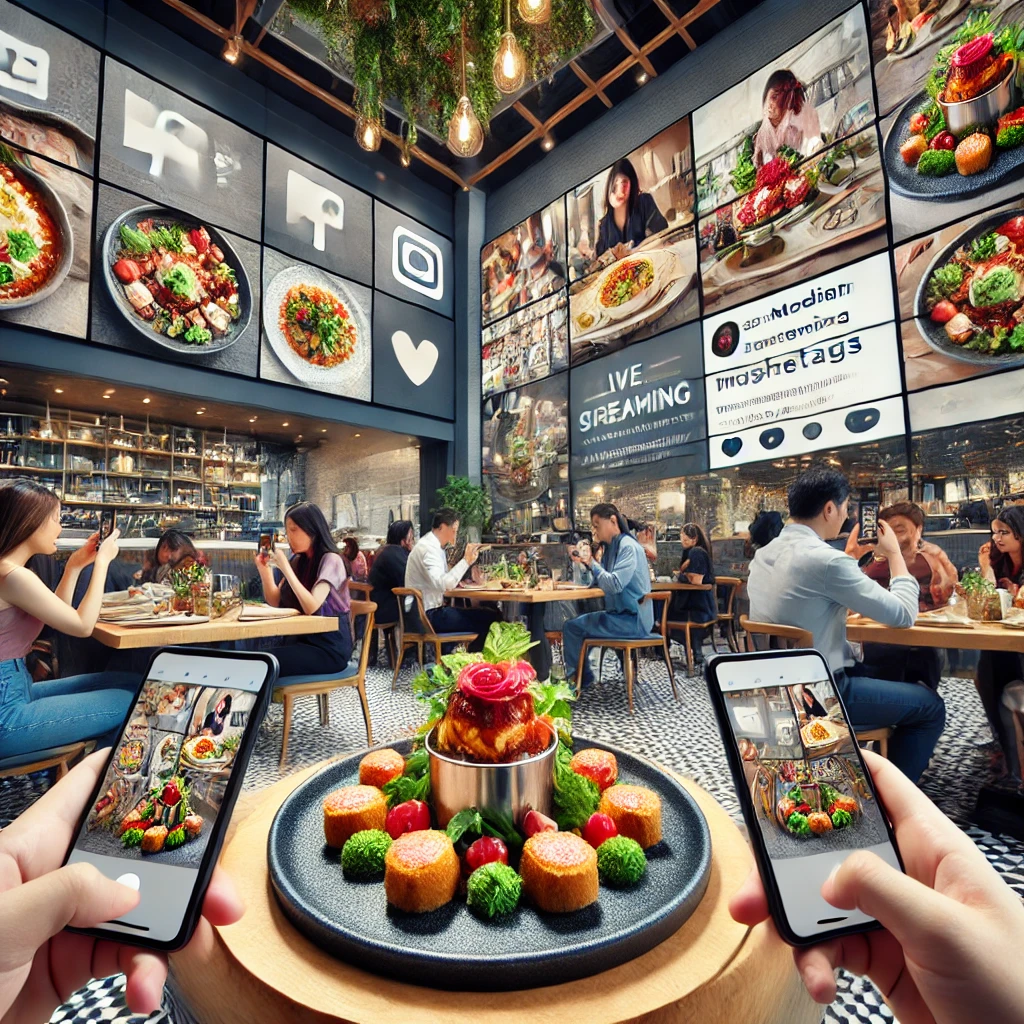
Diners in a modern restaurant enjoy digital screens showcasing vibrant images and social media icons. A person holds a smartphone above a colorful dish, capturing the perfect shot, highlighting the power of food influencer marketing.
Personalizing Service for Guests
Personalizing service begins with understanding your guests at a deeper level. This can be achieved by collecting and effectively using customer data, such as contact information, preferences, and important dates. Utilizing a Customer Data Platform (CDP) can empower restaurants to engage guests with tailored communications and promotions, making every visit feel special.
Segmented Marketing Campaigns: By using first-party data, restaurants can tailor their marketing efforts to specific audience segments. This leads to higher engagement rates and a more substantial return on investment.
AI-Driven Personalization: Incorporating AI chatbots can elevate guest interactions by greeting customers by name and recalling previous orders, offering customized recommendations that make guests feel recognized and valued.
In-Person Personalization: Encourage your staff to deliver personalized greetings and services, ensuring they recognize returning customers and their specific preferences. Such interactions can significantly enhance the dining experience, making guests feel part of a community.
Event-Driven Engagement: Themed nights and special events create unique experiences that encourage both loyal and potential customers to visit. These events offer a break from routine dining, leaving a lasting impression and building a sense of community.
Implementing strategic personalization not only increases repeat business but also enhances the overall guest experience, setting your restaurant apart from the competition.
Collecting and Utilizing Customer Feedback
In today’s digital age, customer feedback is a goldmine of insights that can drive improvements and foster customer loyalty. Establishing an efficient feedback system is crucial for maintaining a thriving relationship with patrons.
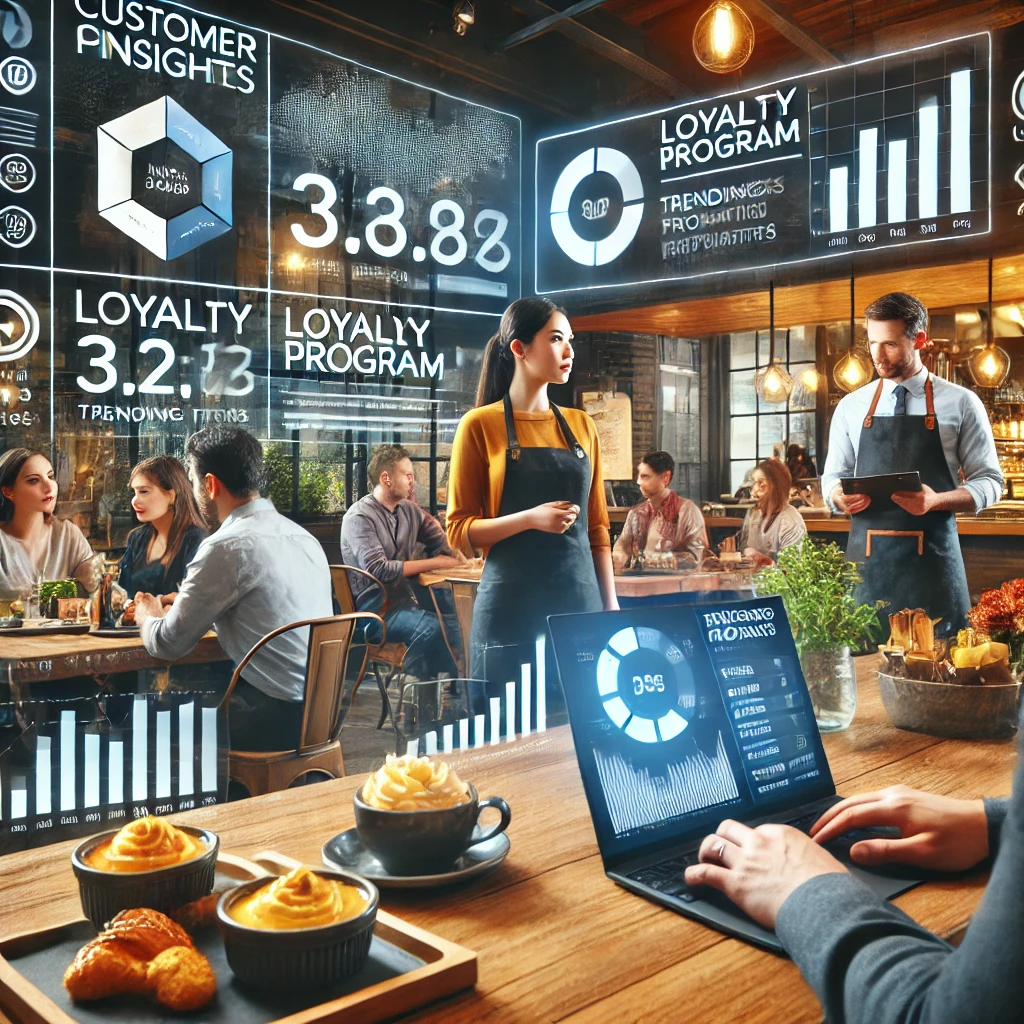
In a vibrant cafe scene with digital analytics displays on the walls, people chat at tables while staff attend to them. Amidst the aroma of coffee and pastries, one person is engrossed in a laptop showing graphs on restaurant promotions and social media for restaurants.
Feedback System Implementation: Streamline the process of collecting and responding to reviews through a designated feedback platform. By doing so, you can ensure timely responses to customer concerns, demonstrating your commitment to customer satisfaction.
Response to Reviews: Address every piece of feedback, especially negative ones, with gratitude and a solution-focused approach. Acknowledging customer input shows that you value their opinions, which can turn a disappointed patron into a loyal customer.
Using Feedback for Improvements: Leverage the insights gathered to make continuous improvements in service and delivery. This ensures that you are aligning closely with customer expectations, enhancing their overall dining experience.
Promotional Offers Based on Feedback: Use customer feedback to inform your promotional strategies. Offering discounts or special deals based on customers’ suggestions not only attracts first-time visitors but also encourages repeat business.
Effective utilization of customer feedback can boost both sales and customer retention, ensuring that your restaurant remains top-of-mind for patrons seeking exceptional dining experiences. By prioritizing customer feedback, you can make informed decisions that enhance service quality and foster a loyal customer base.
Keep Up with Industry Trends
To thrive in 2025, restaurants must stay ahead by harnessing advanced digital platforms and immersive tech. Leveraging AI-driven insights helps identify viral food trends, enabling targeted restaurant marketing strategies that captivate your audience.
Key Strategies to Keep Up:
Embrace Digital Menus: Enhance customer engagement with detailed information and online ordering for restaurants. This boosts conversion rates and streamlines the dining experience.
Implement Interactive Experiences: Utilize 360-degree virtual tours to create a sense of anticipation and excitement among potential customers, giving your establishment a competitive edge.
Adapt to Market Trends: Stay informed and agile to continuously adapt your food influencer marketing strategies, keeping your content fresh and appealing to a loyal customer base.
Harness AI Insights: Use data to enhance restaurant promotions and optimize social media strategies, ensuring your digital presence resonates with both existing and first-time customers.
Create Unique Dining Experiences: Go beyond food by integrating immersive tech that adds value and creates memorable experiences for diners.
By adopting these strategies, restaurants can maintain a strong online presence and attract a broader customer base, ensuring growth and sustainability in a rapidly evolving food industry.
Monitor and Adjust Your Strategies
In 2025, monitoring and adjusting your restaurant’s marketing strategies is essential for staying competitive and driving growth. Start by building an opt-in SMS marketing list. This tool ensures you reach genuinely interested guests with timely updates and promotions.
To maintain visibility, regularly assess the effectiveness of your social media and advertising efforts. Utilize Facebook ads tailored for seasonal deals to boost foot traffic instantly. Stay relevant by regularly updating your menu with seasonal specials and limited-time offers, incentivizing repeat visits through the creation of urgency.
Social media contests are another dynamic way to engage with your audience. Offer discounts and giveaways to increase interaction, thus turning new customers into loyal patrons.
Moreover, partnerships with local influencers can amplify your marketing efforts, aligning your restaurant’s values and appeal with your target audience effectively.
Consider the following actions:
Analyze SMS Campaigns: Track engagement rates for adjustments.
Evaluate Ad Performance: Use insights to refine targeting.
Menu Update Impact: Check sales data post-promotions.
Contest Feedback: Measure engagement levels and new customer conversion.
By closely monitoring these strategies and adapting them as needed, your restaurant can maintain a competitive edge in the ever-evolving food industry landscape.
Step 1. Leverage TikTok & Instagram Reels for Maximum Reach
In 2025, TikTok and Instagram offer potent platforms for restaurant marketing success. Both platforms allow restaurants to engage specific audience segments through relatable and vibrant content. Instagram, with its visual-centric design, is particularly effective for showcasing mouthwatering food photos and captivating dining videos. Utilizing Instagram Reels can significantly boost visibility by highlighting vibrant dining experiences and behind-the-scenes stories, encouraging user interaction and engagement.
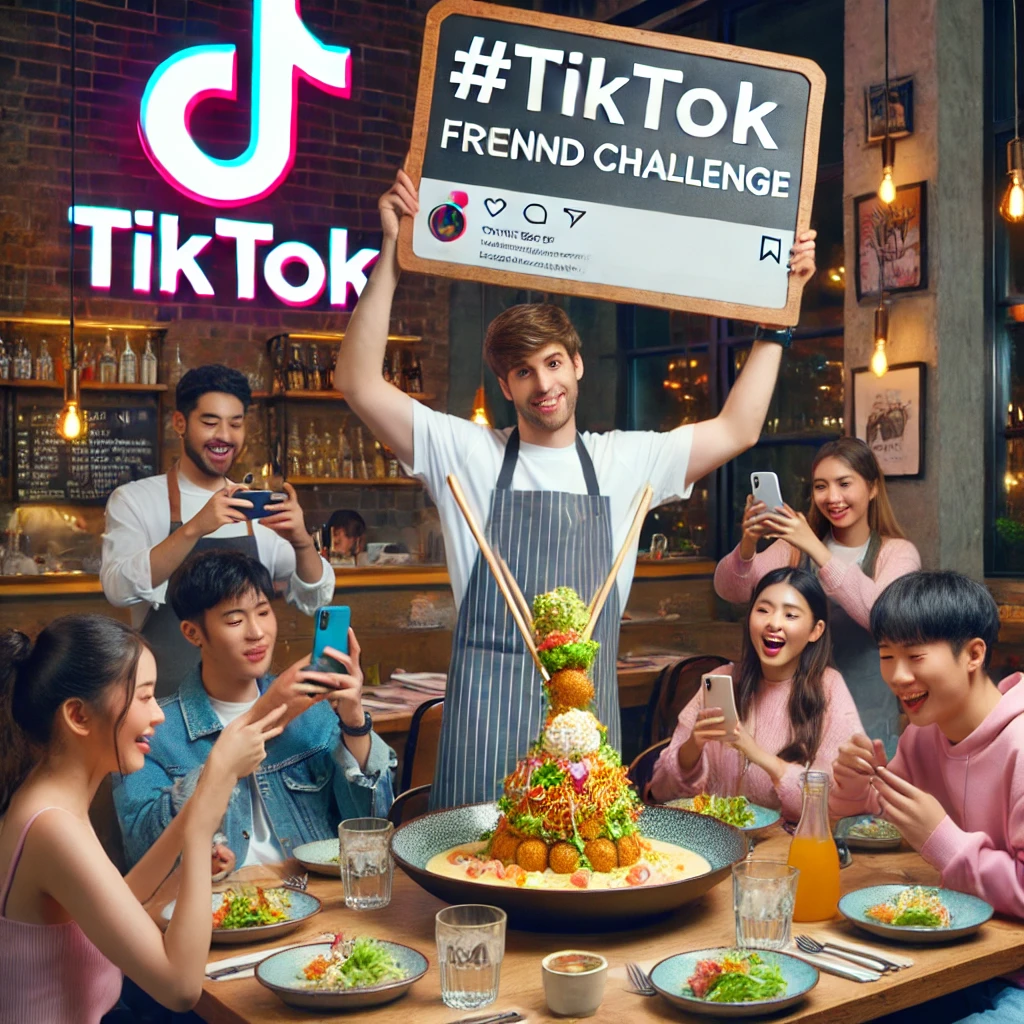
A group of young people in a restaurant eagerly snaps photos of a large dish for the “TikTok FrEnNd Challenge,” aiming to go viral. With the TikTok logo glowing in the background, they’re diving into food influencer marketing with flair.
Benefits of TikTok & Instagram Reels:
Viral Potential: Leverage the creative and viral nature of TikTok to engage users through trending challenges and fun interactive marketing campaigns.
Visual Appeal: Instagram’s focus on visuals helps captivate potential diners with aesthetically pleasing food imagery.
Community Building: Engaging with patrons on these platforms fosters brand awareness and builds a sense of community and connection with your audience.
By effectively using TikTok and Instagram Reels, your restaurant can not only increase its online presence but also position itself as a trending culinary destination.
Why Short-Form Video is King
Platforms like TikTok and Instagram Reels prioritize short-form, high-engagement videos, making them essential for restaurant marketing.
Content Ideas for Restaurants:
Behind-the-Scenes Footage – Show food prep, chef challenges, or a day in the life of your kitchen.
Customer Reactions – Capture first bites and genuine reactions to unique dishes.
Trend Participation – Join trending food challenges and viral sounds.
Best Hashtags & Trends to Follow:
#Foodie
#ViralEats
#TikTokMadeMeTryIt
#RestaurantGoals
#FoodLover
Step 2: Partner with Influencers & Food Bloggers
Partnering with influencers and food bloggers is a key strategy in making your restaurant go viral in 2025. These partnerships can significantly broaden your audience reach, drive foot traffic, and increase your restaurant’s visibility through their authentic promotional content. Let’s explore how to effectively harness this strategy.
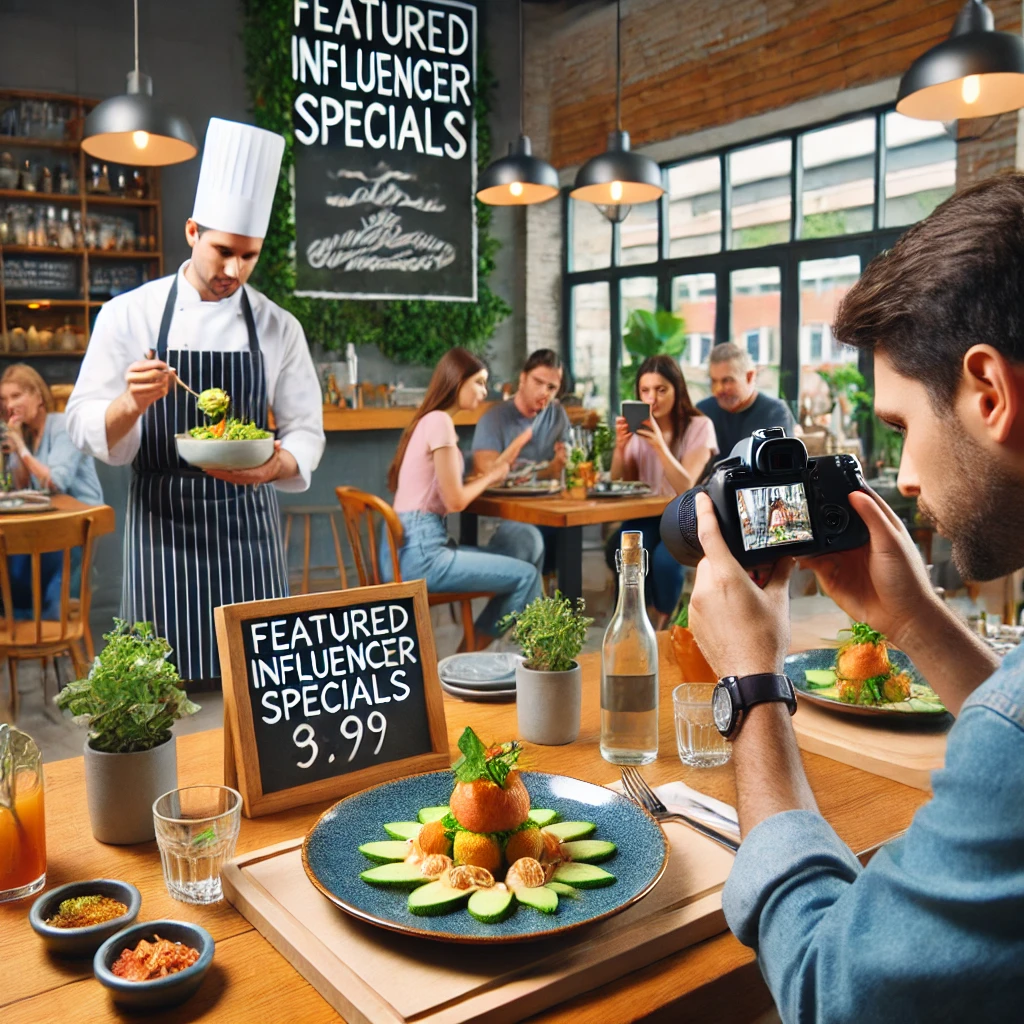
A man photographs a dish labeled “Featured Influencer Specials” at a restaurant, showcasing food influencer marketing. In the background, a chef prepares similar dishes while diners are seated at tables, highlighting the impact of social media for restaurants.
The Power of Influencer Marketing for Restaurants
Influencer marketing is a potent tool for elevating your restaurant’s visibility and fostering a loyal community of brand advocates. By partnering with local influencers, your restaurant can leverage their endorsements to introduce your establishment to a broader audience, especially when their content has the potential to go viral. It’s crucial to provide these influencers with accurate information about your restaurant, ensuring that their portrayal authentically represents your brand. Authentic representation fosters trust, increases foot traffic, and heightens interest from potential customers. Remember, the focus should be on engagement, not just follower count, as authentic interactions often lead to meaningful customer conversions.
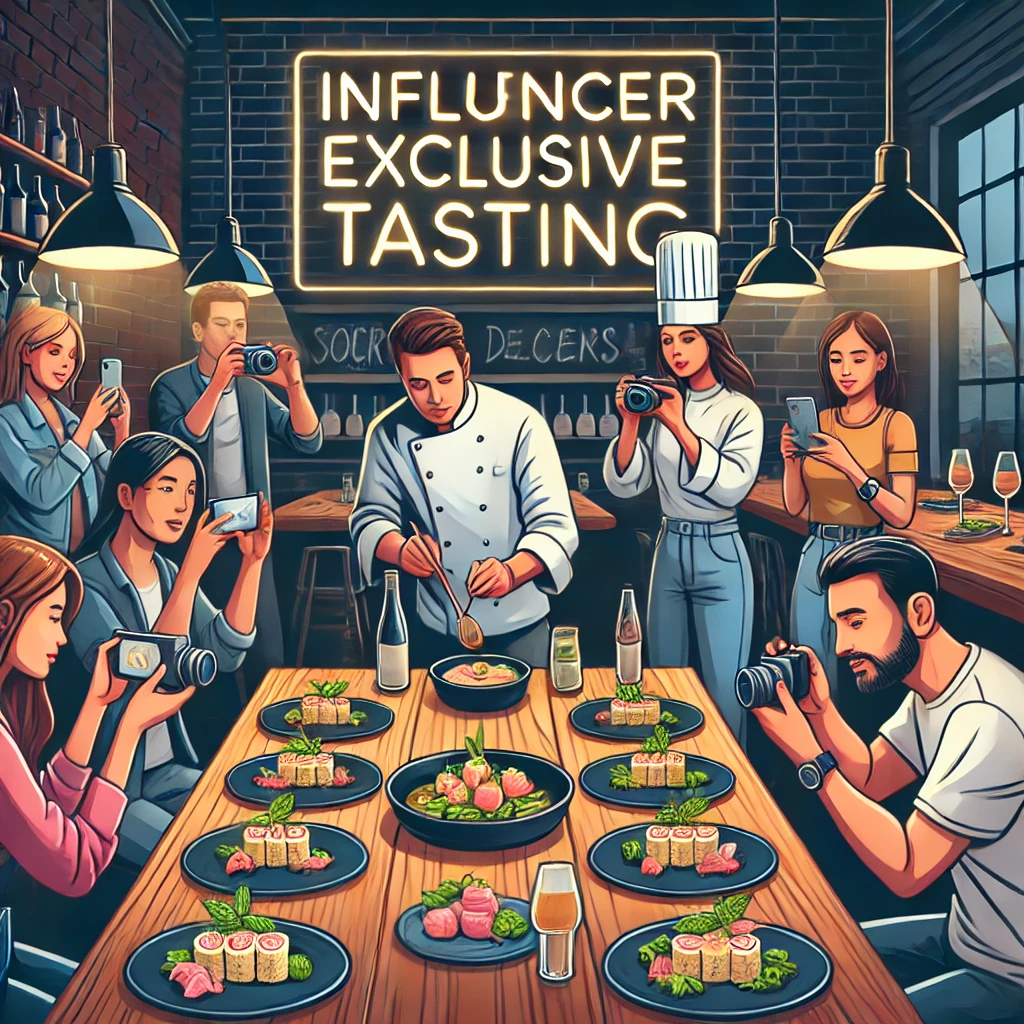
A chef skillfully prepares dishes as people snap photos at an influencer exclusive tasting event, capturing moments perfect for social media. Against the backdrop of a neon sign and a wooden table laden with plates, this dimly lit restaurant is a hub for food influencer marketing.
How to Find & Collaborate with Food Bloggers and Local Influencers
Finding the right influencers and food bloggers involves more than just an investment. It requires a strategic alignment of their values with your brand. Start by identifying influencers who have a strong local following and an engaged community. These are typically micro-influencers, whose close-knit community ties can offer better customer conversions compared to larger celebrities. Once identified, establish a clear line of communication to set expectations and desired outcomes. This ensures they represent your restaurant effectively. Influencer marketing thrives on engaging visuals, so providing thorough information on menu highlights and unique offerings can help craft content that captivates and influences dining decisions.
Checklist for Success:
Identify local influencers with strong community ties
Align their values with your brand
Provide thorough restaurant information
Set clear expectations and outcomes
Focus on engagement metrics over follower count
Examples of Successful Influencer Campaigns
Successful influencer collaborations provide valuable insights into crafting a campaign that resonates. For instance, Buffalo Wild Wings teamed up with NFL star Ahmad Sauce Gardner to launch the “The Sauce Sauce,” a campaign blending sports with culinary excitement to engage fans. Similarly, Taco Bell’s strategy of sharing user-generated content like customer videos on TikTok has propelled their brand visibility by providing an authentic customer perspective. Another noteworthy campaign involved food influencer @thecarboholic, whose local collaborations generated significant foot traffic and viral exposure for partnering restaurants. These examples showcase how influencer marketing can create genuine connections and enhance visibility, ultimately fostering a loyal community of brand advocates.
By strategically partnering with influencers and food bloggers, your restaurant can position itself as a viral destination, drawing in both online and offline audiences.
The Power of Influencer Marketing for Restaurants
Influencer collaborations are one of the fastest ways to go viral. Influencers have built-in trust with their audience, making their recommendations powerful.
How to Find & Collaborate with Food Bloggers
Use Hashtags – Search #FoodBlogger or #Foodie to find influencers.
Check Engagement Rates – High engagement is more important than follower count.
Offer Free Experiences – Invite influencers for exclusive tastings.
Leverage Local Micro-Influencers – They have highly engaged, local audiences.
Successful Influencer Campaigns:
Buffalo Wild Wings partnered with NFL star Ahmad “Sauce” Gardner to promote new sauces.
In the fast-paced world of dining out, standing out can mean the difference between a full house and empty tables. A powerful way to ensure your restaurant becomes the talk of the town—and possibly the internet—is to introduce a ‘must-try’ dish or offer a captivating menu challenge. By creating a culinary experience that is both unique and trendy, you position your establishment at the forefront of viral food trends, capturing the attention of foodies and influencers alike.
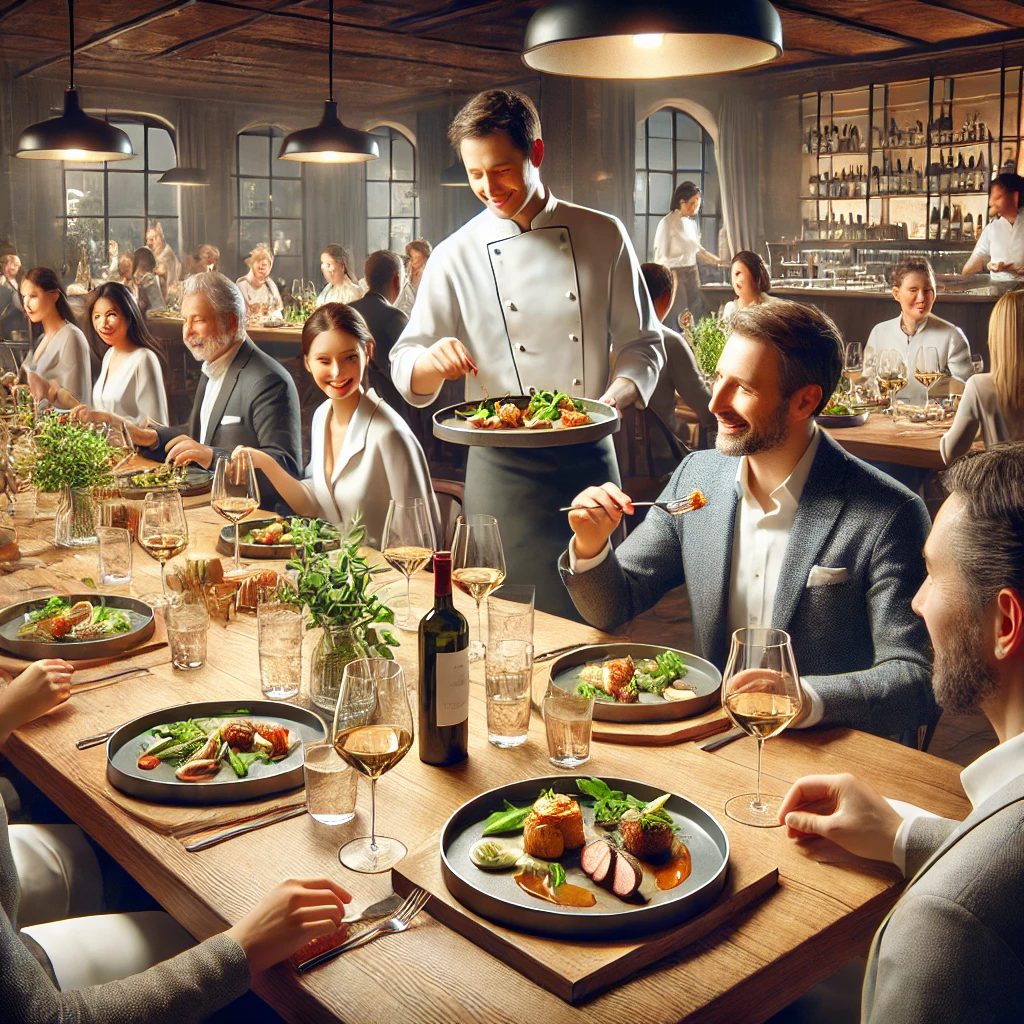
A bustling restaurant scene unfolds as diners savor gourmet dishes. A waiter in a white chef jacket expertly serves meals, embodying food influencer marketing in action. Tables display wine glasses and greenery, all captured perfectly for social media with warm lighting enhancing the ambiance.
How unique menu items can spark viral attention.
A unique menu item can be your golden ticket to internet fame. Think of inventive culinary concoctions like a giant pizza or a layered, color-infused dessert that makes for a perfect Instagram post. Here’s how you can leverage unique menu items to spark viral attention:
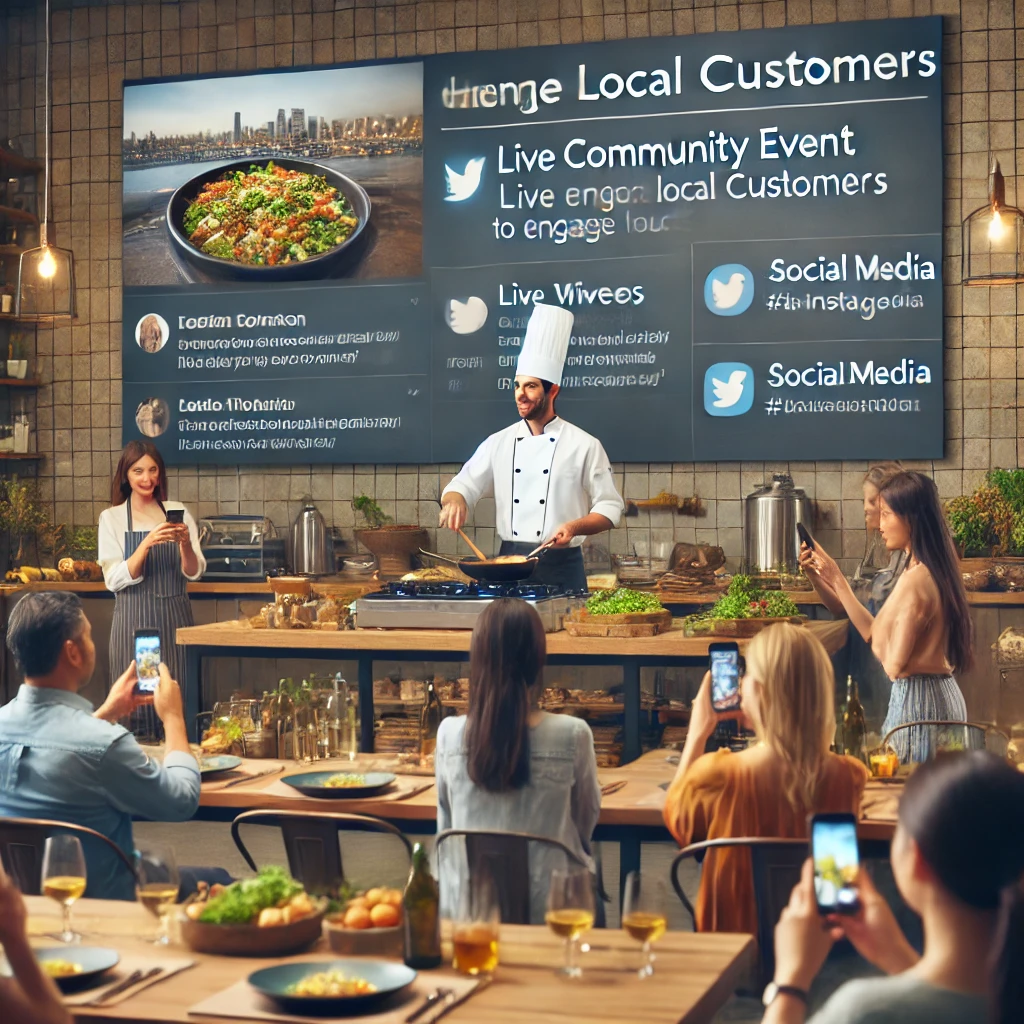
Amid cheering crowds, the chef dazzles on stage at a live event, while excited audience members capture the moment. Behind him, a screen showcases engaging social media for restaurants alongside event details, hinting at how this culinary spectacle might just make the restaurant go viral.
Craft an Out-of-the-Ordinary Food Item:
Introduce a dish that’s not just delicious but also visually arresting. Consider the allure of giant or themed foods that naturally attract social media attention.
Partner with Local Food Influencers:
Collaboration is key. Team up with local food bloggers and influencers to feature your signature dishes. Their posts can significantly broaden your exposure, drawing in their followers who are eager to taste what the hype is all about.
Set Up a Selfie Station:
Enhance the dining experience by creating an Instagram-worthy spot in your restaurant. A well-curated selfie station encourages patrons to snap and share, generating organic buzz around your venue.
Creative Naming:
Drive intrigue and foot traffic by naming a dish after a popular micro-influencer with a local following. Their audience will likely be curious to try the dish, boosting your visibility.
Leverage User-Generated Content:
Organize a photo contest with a branded hashtag. This not only encourages customers to engage with your brand but also populates social media platforms with authentic, enticing photos of your food, enticing potential new diners.
By incorporating these strategies into your restaurant’s marketing efforts, you can cultivate a viral sensation that attracts both first-time and loyal customers, both online and offline. In the competitive world of restaurants, making a dish so irresistible that it’s talked about everywhere is your direct line to success.
How Unique Menu Items Spark Viral Attention
Signature dishes can create FOMO (Fear of Missing Out) and encourage user-generated content (UGC).
Examples of Viral Food Challenges:
Spicy Food Challenge – Inspired by the ‘One Chip Challenge.’
Giant Portion Challenge – Huge burgers, pizzas, or shakes.
Limited-Time Menu Items – Seasonal and unique offerings.
Encouraging User-Generated Content (UGC):
Offer a discount for customers who post and tag your restaurant.
Create a branded hashtag and encourage customers to use it.
Feature UGC on your website and social media.
Step 4: Run Viral Giveaways & Social Media Contests
Boost your restaurant’s audience and engagement by running viral giveaways and contests on social media. Carefully crafted, these social activities not only expand your audience but also elevate your online presence and foster community loyalty.
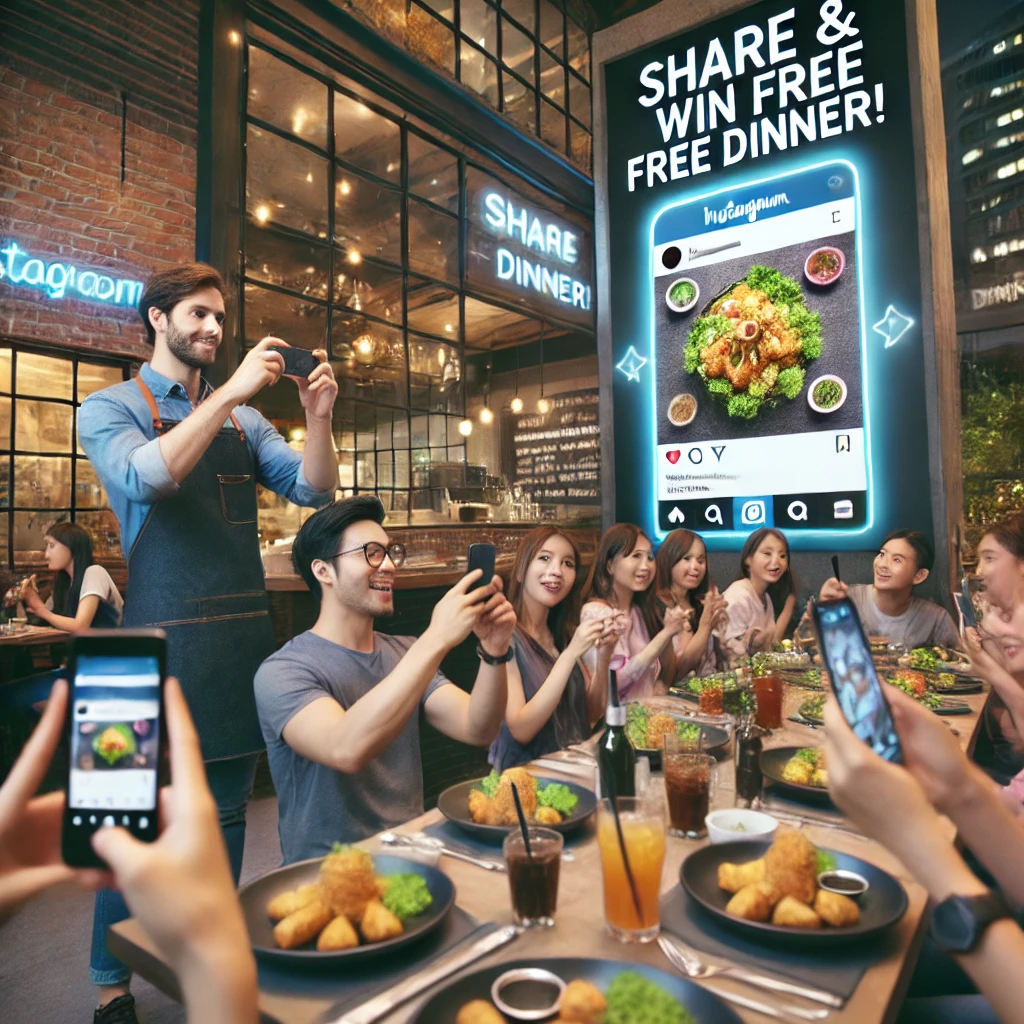
People in a restaurant snapping photos of their food and a man in an apron capturing the moment too. A large digital sign promotes a contest: “Share & Win Free Dinner,” showcasing the power of social media for restaurants to boost engagement through viral marketing for restaurants.
Key Strategies:
Incentivize Engagement: Use attractive prizes like free meals, gift cards, or branded merchandise. These incentives encourage customer participation, turning casual followers into loyal customers.
Define Clear Rules: Establish transparent guidelines for participants to ensure smooth execution and maximize reach. Clear rules clarify how to engage, enhancing participation rates and boosting your restaurant’s social media presence.
Leverage User-Generated Content: Encourage customers to share their experiences with selfies or food photos using targeted hashtags. This organic content boosts visibility and attracts new potential customers, enhancing your brand image.
Collaborate with Influencers: Partner with food influencers to amplify your giveaway promotions. Influencers can extend your reach and lend credibility, making your restaurant a trending topic within the local community.
By transforming customer engagement into a vibrant online experience, contests and giveaways can become a cornerstone of your restaurant’s social media marketing efforts.
How Giveaways Boost Engagement & Brand Visibility
Social media giveaways can skyrocket engagement, expand reach, and drive traffic.
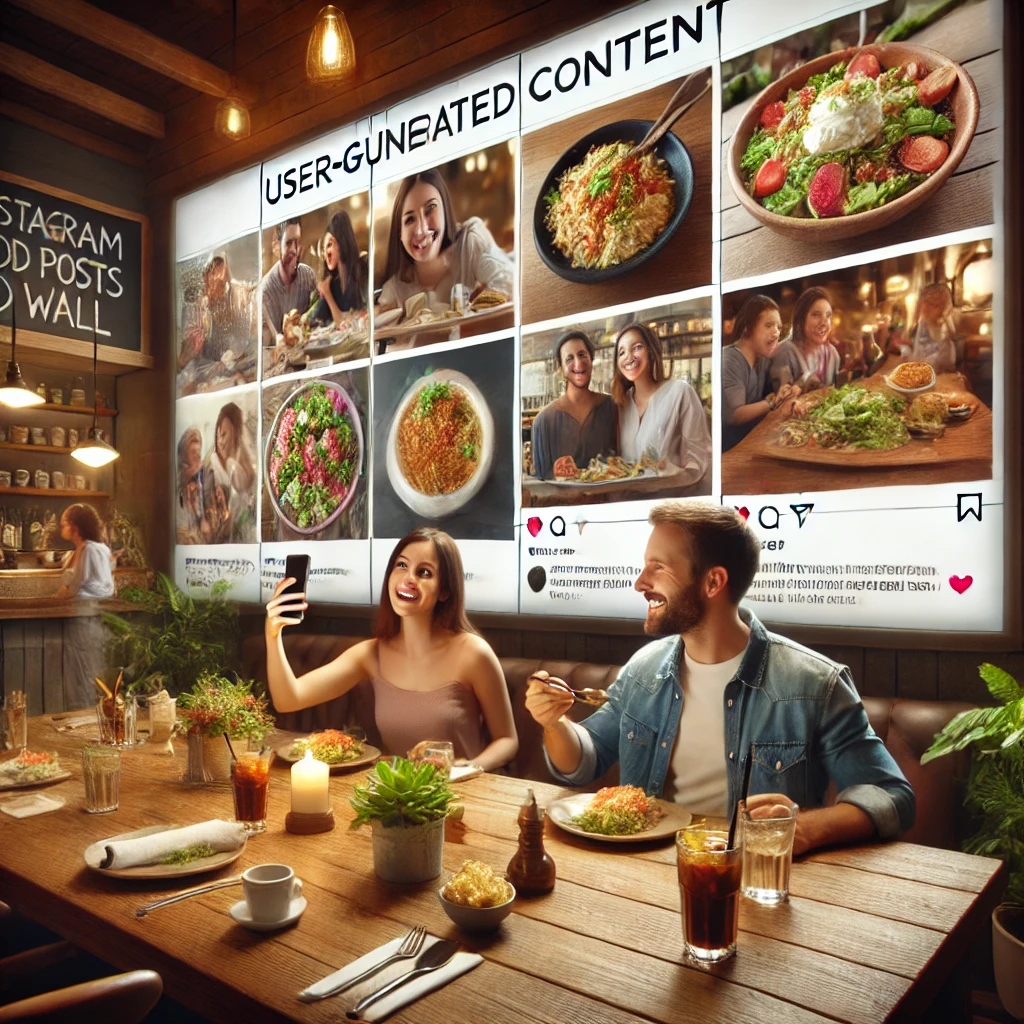
A couple takes a selfie in a cozy restaurant, where a large wall displays Instagram-style food posts that showcase the viral marketing for restaurants.
Examples of High-Performing Restaurant Contests:
Photo Contests – “Post your best meal pic and tag us to win a free dinner!”
Share-to-Win Giveaways – “Tag three friends for a chance to win a $50 gift card!”
Creative Dish Naming Contest – “Help us name our new burger and win a free one!”
How to Structure a Viral Contest:
Set Clear Rules – Ensure easy participation.
Use a Popular Hashtag – Increase visibility.
Partner with Influencers – Boost credibility and reach.
Announce the Winner Publicly – Build excitement and encourage future participation.
Common Mistakes to Avoid in Viral Restaurant Marketing
1. Over-Relying on Paid Ads
Paid ads help, but organic content builds authenticity and trust.
✅ Leverage social media platforms like TikTok & Instagram Reels. ✅ Collaborate with food influencers & bloggers to expand reach. ✅ Create a ‘must-try’ dish or viral food challenge. ✅ Run viral giveaways & contests to boost engagement. ✅ Avoid common pitfalls & optimize for local SEO.
Take Action Now:
📩 Subscribe to our newsletter for exclusive restaurant marketing insights! 📞 Book a free consultation with our marketing experts!
Frequently Asked Questions (FAQs)
How long does it take for a restaurant campaign to go viral?
It depends on the strategy, but most viral campaigns gain traction within 1-4 weeks if executed well.
Do I need a big budget for viral marketing?
No! Organic strategies like influencer collaborations and user-generated content can drive virality without a massive budget.
What’s the best social media platform for restaurant marketing?
Instagram & TikTok – Best for viral videos & food photography.
Facebook – Great for community engagement.
Google My Business – Essential for local SEO for restaurants.
2025 Trends in Restaurant Marketing: How to Stay Ahead of the Game
Table of Contents
2025 trends in restaurant marketing: In an era where dining options abound, the competition among restaurants has never been fiercer. It’s crucial for restaurant owners to be aware of the evolving marketing landscape to attract and retain their customer base. The strategies that soared in popularity yesterday may wane today, making adaptability vital to thrive in the industry.
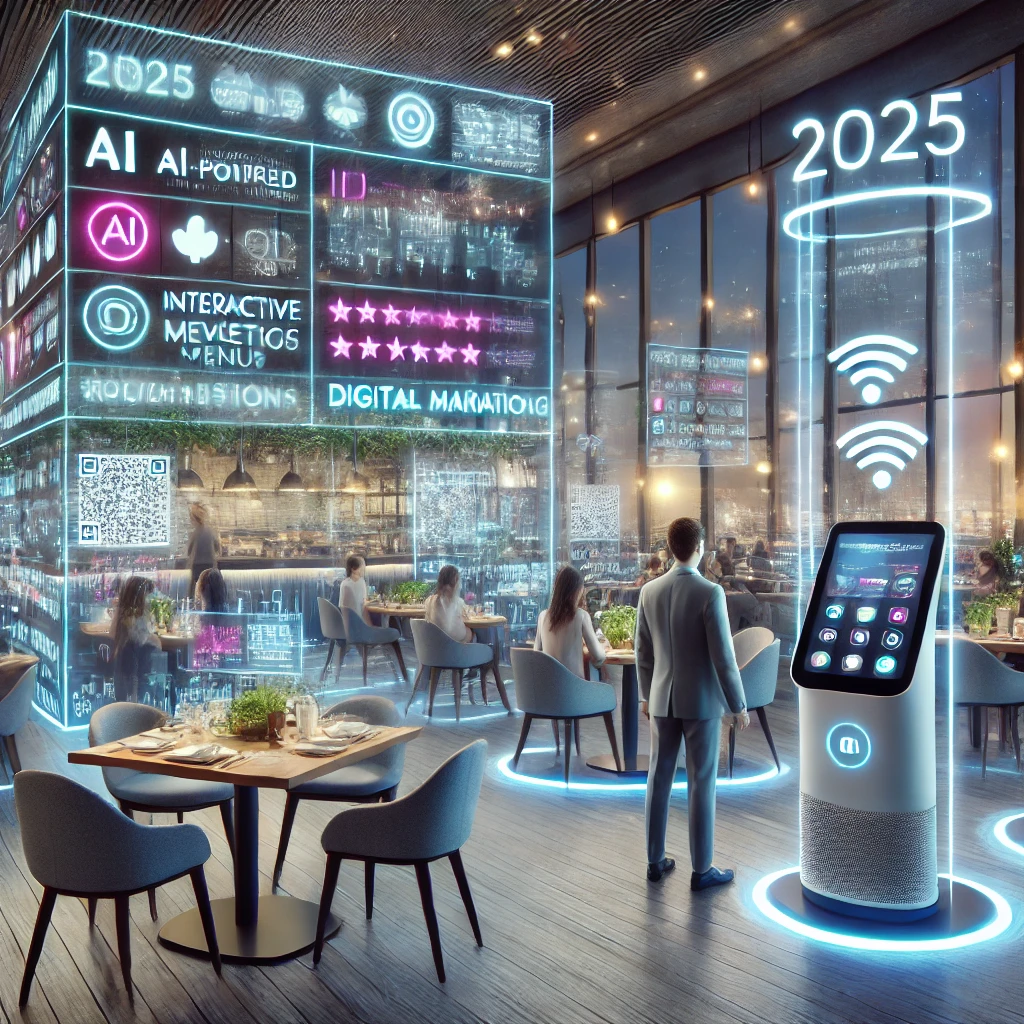
Futuristic cafe scene with digital screens displaying AI, 2025, and tech symbols. People dine surrounded by glowing interfaces and a holographic display.
As we approach 2025, understanding the pivotal trends that define restaurant marketing is essential. These trends encompass a range of digital marketing essentials, from effective email campaigns to mastering local SEO tactics. Moreover, fostering an impressive online presence and engaging with the community can significantly elevate a restaurant’s profile in a crowded market.
This article explores the latest trends in restaurant marketing for 2025, offering actionable insights into digital marketing, community engagement, customer retention, sustainability initiatives, and the integration of technology. By staying informed and adaptable, restaurant owners can cultivate a loyal customer base and stand out in an ever-evolving culinary landscape.
The Importance of Staying Updated in Restaurant Marketing
In 2025, the restaurant industry is poised to surpass $1 trillion in sales, highlighting the critical need for effective marketing strategies. With 98% of restaurant operators facing increased labor costs and 97% grappling with higher food costs, adopting digital innovation becomes not just advantageous but essential.
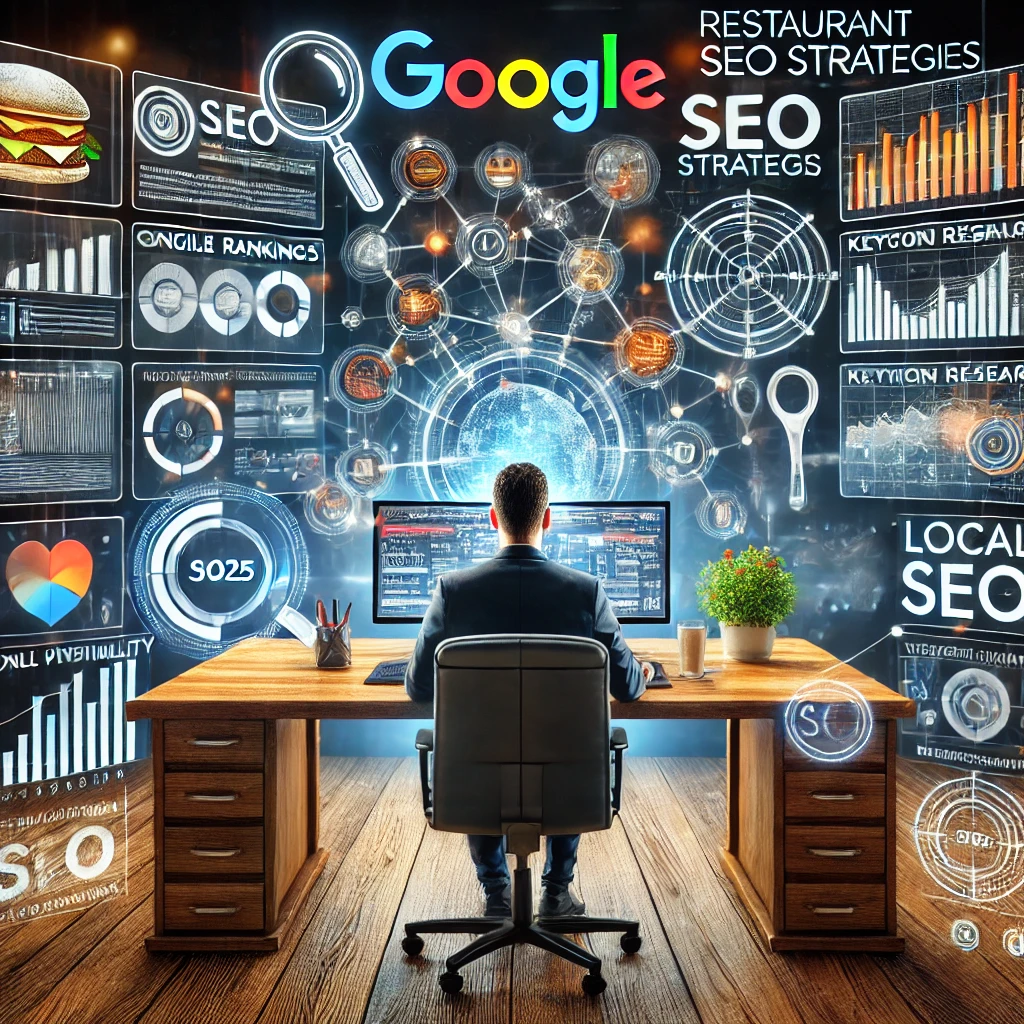
Person at a desk facing multiple screens displaying SEO and digital marketing graphics, including charts, diagrams, and the word “Google.
A robust online presence is vital, with 77% of potential customers searching for dining options online. This makes a well-designed website, social media presence, and Google Business Profile critical for making positive first impressions. Moreover, 90% of diners visit restaurant websites before deciding where to eat, emphasizing the need for high-quality user experience and content.
Customer engagement through online reviews remains a powerful tool. With 75.5% of consumers trusting these reviews, managing digital reputation can significantly impact search engine rankings and foot traffic.
To stay competitive, restaurant owners must leverage SEO strategies, social media platforms, and user-generated content. Embrace community and special events, utilize email campaigns and loyalty programs, and engage food bloggers to enhance both foot and organic traffic, ensuring sustained growth in the dynamic restaurant industry.
Key Digital Marketing Essentials & 2025 Trends in Restaurant Marketing
As the restaurant industry advances, digital marketing essentials become pivotal in attracting diners and boosting both foot and organic traffic. Search engine optimization (SEO) is indispensable, enhancing the online visibility of restaurants and ensuring they rank higher in search results. This boosts potential customer attraction, as effective online reviews influence 97% of diners aged 18-34, equating their trust level to personal recommendations.
A person sits at a table with a laptop, surrounded by digital icons for birthday offers and discounts. The background shows people dining in a modern restaurant setting.
A cohesive brand presence across multiple digital channels is a cornerstone of successful restaurant marketing. Consistency in messaging fosters brand trust and recognition, which is crucial in an era where online interactions often precede dining decisions. Equally important is ensuring that your restaurant’s website is mobile-responsive. This guarantee of easy navigation on smartphones and tablets enhances the overall customer experience and accessibility, crucial for capturing the attention of mobile-savvy diners.
Integrating local SEO strategies further targets a geographically relevant audience. By incorporating location-specific keywords, restaurants can drive local traffic and boost footfall. This approach ensures diners in the vicinity are aware of your establishment when searching for dining options.
Email Marketing Strategies
To engage and retain customers effectively, personalized email marketing stands out. Sending tailored communications, such as birthday reminder emails, fosters customer engagement and heights the chances of repeat visits by making diners feel valued. Structuring email marketing efforts involves creating segmented email lists, catering to different dietary preferences and visit frequencies, ensuring relevant and appealing content for diverse customer groups.
Leveraging email marketing facilitates long-term relationships with regular patrons. Research indicates that existing customers tend to order more, where their average order value is 67% higher. Consequently, email campaigns focused on this demographic can maximize sales potential. Automating responses to customer actions, like reservations or special occasions, allows restaurants to maintain ongoing engagement without repeatedly investing manual effort.
Maintaining regular communication is crucial; sending emails ideally twice per week helps keep the restaurant’s brand at the forefront of customers’ minds. With around 30% of subscribers opening such emails, this strategy increases the likelihood of orders and visits.
Local SEO Tactics
Person using a tablet with a map and location pins, surrounded by graphs and a bustling cityscape with restaurants.
Local SEO is essential in ensuring that your restaurant draws in local patrons effectively. By focusing on location-specific strategies, restaurants can successfully drive local traffic and enhance footfall. Regularly refreshing your Google Business Profile, including updating business information, uploading new photos, and actively responding to reviews, is critical. This practice not only improves visibility in local search results but also fosters better engagement with potential customers.
To bolster local search rankings, implementing structured data markup and maintaining consistent citation profiles are proven strategies. These techniques enhance your restaurant’s presence in the local pack of search results, increasing visibility when potential customers search for nearby dining options. Additionally, using relevant local keywords in your website content — including menus and special offerings — can enhance click-through rates in local searches.
Critical to optimizing local SEO efforts is closely tracking ad performance and adjusting tactics based on data insights. This enables restaurant owners to tailor strategies to effectively reach the most relevant audience, ultimately boosting the establishment’s presence and appeal within the local community.
Enhancing Online Presence
In 2025, enhancing your restaurant’s online presence will be crucial for driving foot traffic and organic traffic. It begins with optimizing your website for search engines, which can significantly improve visibility and credibility. By implementing effective SEO strategies, including strategic keyword optimization within your Google Business Profile focusing on menu items and dietary preferences, your restaurant can improve its search rankings and capture the attention of local customers.
Person using tablet to interact with holographic screens displaying future customer engagement, social media, and digital ads data in a modern restaurant setting.
Leveraging paid advertising through platforms like Google Ads and Facebook Ads allows you to target potential customers in specific geographic areas, maximizing the effectiveness of your marketing budget. Moreover, voice search optimization is becoming increasingly important as more searches are conducted through voice-activated devices. Structuring content to address common queries effectively will be essential in capturing this growing segment.
Regular updates to your Google Business Profile with new content, such as seasonal offerings and events, help maintain a dynamic digital presence. This strategy is essential for attracting and retaining patrons, ensuring a consistent influx of new and loyal customers.
Social Media Management Best Practices
Social media platforms such as Instagram, Facebook, and TikTok have become vital tools for restaurant marketing in 2025. Their ability to foster reach and engagement through visually appealing content and interactive features can be pivotal for your restaurant. Scheduling posts at least two weeks in advance ensures consistency and allows you time to curate new content tailored to your target audience.
Person working on a laptop in a cafe with floating social media icons and notifications, depicting a digitally connected environment.
To further engage potential and returning customers, share non-generic content like behind-the-scenes videos, chef highlights, or unique dining experiences. This approach not only encourages interaction but also builds trust with your audience. Regularly updating social media pages with important information, such as the latest menus or opening times, is crucial for both active and passive followers who may not engage directly with posts but who rely on these platforms for current information.
Effective management of your online presence through social media can substantially boost your restaurant’s reputation. Engaging with feedback and maintaining a positive image can lead to sustained increases in sales over time, demonstrating the impactful role of social media in the restaurant industry.
Importance of Online Reviews
Online reviews are one of the most influential factors in diners’ decision-making processes, making their management an essential component of restaurant marketing strategies in 2025. Encouraging satisfied customers to leave reviews is vital, as studies indicate that 35% of consumers rely on reviews when choosing a new restaurant. Positive customer reviews serve as powerful trust signals for Google and can significantly impact local search rankings, enhancing your restaurant’s online visibility.
A person uses a laptop displaying online reputation management with star ratings. The background shows a busy restaurant and customer feedback graphics.
Engaging with online reviews by responding to feedback—expressing gratitude for positive assessments and addressing concerns in negative ones—fosters customer loyalty and demonstrates a commitment to improvement. Proactive online reputation management, including regularly monitoring reviews and utilizing tools to track new feedback, will be indispensable for timely and effective responses.
Table: Key Strategies for Online Presence Enhancement
Strategy
Description
SEO Optimization
Improve search rankings through strategic keyword placement.
Target specific geographical areas to maximize marketing efforts.
Voice Search Optimization
Structure content to capture voice search traffic effectively.
Google Business Profile
Regular updates to engage potential customers with new content.
Social Media Content
Use platforms for engaging and visual content to attract followers.
Review Management
Encourage and manage online reviews to improve reputation and rankings.
In conclusion, integrating these practices will not only enhance your digital and physical presence but will also position your restaurant as a preferred dining option in the competitive restaurant industry landscape of 2025.
Community Engagement Techniques
Community engagement is a crucial component for restaurant owners aiming to build a strong brand and maintain a positive reputation. By participating in local events and supporting community initiatives, restaurants can foster loyalty among potential customers and enhance their overall digital presence. An exemplary model is Shake Shack, which actively partakes in local events and charitable initiatives, resulting in strengthened brand loyalty and a deep connection with the community. Engaging with the local community can be as straightforward as sponsoring or participating in events such as food festivals, charity runs, and farmers markets.
Outdoor event titled “Community Engagement Local 2025” with a speech by chefs, attended by a diverse crowd, some dining. A social media overlay shows live engagement.
Utilizing social media platforms can further amplify your restaurant’s community engagement efforts. By sharing authentic behind-the-scenes content and hosting live Q&A sessions with chefs, restaurants can create a more personal dining experience. Additionally, interactive content like polls and giveaways can invite meaningful interaction from your target audience, creating a buzz and enhancing community ties.
Collaborations and Cross-Promotions
Collaborations with nearby businesses can be a savvy move to increase foot traffic and attract new customers. Partnering with a local brewery for a special tasting event or organizing cross-promotions like discounts for customers of neighboring stores can expand your restaurant’s reach and enhance brand visibility. Joining local events and sponsoring gatherings like food festivals or farmers markets not only boost visibility but also demonstrate your restaurant’s commitment to the community.
Person holding a tablet displaying a loyalty program in a restaurant. The screen shows various discounts and a QR code. People are dining in the background.
Engaging with local charities by hosting fundraising events benefits the community and elevates your restaurant’s image as a socially responsible business. Moreover, building relationships with local food influencers can lead to authentic storytelling, allowing you to connect with your audience on a deeper level, further enhancing brand engagement.
Creating Engaging Promotional Deals
Crafting engaging promotional deals can effectively attract customers and boost foot traffic. Seasonal events, such as Easter or the football World Cup, offer valuable opportunities to create themed dishes, set menus, or special food-and-drink combos. Innovative promotional ideas like branded games during holidays can elevate customer engagement and excitement around specific menus or events.
Highlighting limited-time promotions and special offers directly on your website creates urgency and encourages online orders. A prominently displayed feedback section or loyalty program on your site invites customers to share their experiences, increasing the likelihood of repeat visits. Furthermore, using social media to promote exclusive deals and engaging content can significantly boost customer interest and participation in your promotional efforts, ultimately enhancing both your organic traffic and community presence.
These effective strategies not only set the foundation for attracting loyal customers but also enhance your restaurant’s digital presence. With a well-rounded approach combining community engagement, strategic collaborations, and innovative promotional deals, your restaurant is poised to thrive in 2025’s competitive dining landscape.
Customer Retention Strategies
In the dynamic restaurant industry of 2025, retaining loyal customers is vital for sustained success. Effective customer retention strategies not only enhance customer satisfaction but also boost foot traffic and organic search engine rankings. One of the foundational elements of customer retention is implementing well-thought-out loyalty programs. These programs leverage technology to track customer behavior, tailor experiences, and maintain engagement. Furthermore, personalizing customer experiences can create a significant impact, ensuring patrons feel appreciated and more inclined to return.
Implementing Loyalty Programs
Loyalty programs are increasingly becoming an essential tool for restaurant owners aiming to foster a devoted customer base. By integrating digital loyalty programs with POS systems, restaurants can automatically enroll customers, thereby tracking preferences and offering tailored rewards. This enhances both the dining experience and user-generated content.
These programs should have clear objectives, such as increasing repeat visits or boosting sales during sluggish hours. For instance, strategic discounts like early bird specials or seasonal offers can be implemented to attract potential customers when foot traffic is typically low. An excellent example of effective discount campaigns is Olive Garden’s Never Ending Pasta Bowl promotion, which successfully rejuvenated interest and increased customer visits.
Regular feedback on these programs is crucial. By gathering customer insights, restaurants can adapt and refine their offerings, aligning reward systems with customer expectations and modifying user experiences. Additionally, data insights from loyalty programs can drive retention strategies, ensuring marketing efforts are precisely aligned with customer behaviors.
Personalizing Customer Experiences
To enhance customer loyalty and satisfaction, personalizing experiences plays a critical role. By utilizing data from loyalty programs and other customer touchpoints, restaurants can offer tailored discounts and rewards based on individual preferences and past orders. A straightforward points-based loyalty program should be clearly communicated, ensuring customers understand how to earn and redeem points, thus enhancing engagement.
Creating exclusive dining options, such as chef’s table dinners or personalized events, strengthens connections with patrons, making them feel special and valued. This personal touch not only improves their experience but also fosters a sense of belonging.
Furthermore, encouraging referrals through rewards for bringing new members into the loyalty program can organically expand the customer base. Engaging customers through personalized service and tailored interactions—both online and offline—ensures a lasting relationship and strengthens brand loyalty. By doing so, restaurants can effectively maintain a competitive edge in the bustling restaurant landscape of 2025.
Embracing Sustainability Initiatives
In the increasingly competitive restaurant industry, embracing sustainability initiatives is not only an ethical choice but also a strategic one. By integrating eco-friendly practices and marketing them effectively, restaurant owners can boost their restaurant’s foot traffic and organic presence. This approach aligns with shifting consumer expectations, potentially drawing new and loyal customers who value sustainable dining options.
Eco-Friendly Practices in Restaurants
Implementing eco-friendly practices is crucial for any forward-thinking restaurant. Incorporating sustainable methods can significantly reduce environmental harm and cut operational costs. Utilizing eco-friendly cleaning products, for example, ensures a safer environment for both employees and diners while minimizing ecological impact.
Illustration of a sustainable restaurant featuring solar panels, recycling bins, and patrons dining outside. Icons highlight sustainability, solar power, and waste reduction.
Partnerships with local farms through Community Supported Agriculture (CSA) programs provide a dual benefit. Not only do these alliances source fresh, seasonal ingredients that enhance dining options, but they also support local economies and reduce carbon emissions related to transportation. Moreover, automated food waste tracking systems like those offered by LeanPath can offer vital insights into food waste patterns. These insights help restaurants committed to sustainability manage waste more effectively.
Digital tools, such as automated reservation and digital POS systems, contribute to streamlined operations and waste reduction, aligning with green initiatives supported by companies like Restroworks. By prioritizing eco-friendly practices, restaurants not only control costs but also meet evolving consumer expectations.
Marketing Sustainability to Consumers
Effectively marketing sustainability practices can enhance customer loyalty and attract environmentally conscious diners. Restaurants can engage patrons by sharing stories about their sustainability initiatives through content marketing. Highlighting commitments like utilizing ‘ugly’ produce minimizes waste and supports sustainable agriculture, aligning with consumer values.
Moreover, transitioning to compostable or biodegradable packaging reduces plastic waste, showcasing the restaurant’s dedication to eco-friendly operations. Establishing donation programs for unused food supports local charities, further cementing the restaurant’s role in community support.
To effectively communicate these efforts, consider the following strategies:
Share Your Story: Use social media platforms to narrate your sustainability journey. This connection can transform occasional visitors into loyal customers.
Emphasize Positive Reviews: Encourage diners to leave online reviews focusing on your green practices.
Engage Food Bloggers: Invite them to experience your sustainable dining options and reach wider audiences through their platforms.
Incorporating these elements into your marketing strategy can elevate your restaurant’s digital presence and search rankings in 2025, ensuring that your establishment stands out as a responsible dining choice.
Integrating Technology into Restaurant Operations
In the evolving landscape of the restaurant industry, integrating advanced technology has become imperative to navigate rising costs and intense competition. Advanced Point of Sale (POS) systems are revolutionizing restaurant operations by automating and streamlining various processes. These systems not only improve efficiency but also reduce operational costs by digitizing manual tasks. For restaurant owners aiming to improve their marketing Return on Investment (ROI), leveraging data-driven decision-making through advanced analytics is crucial. By utilizing customer relationship management (CRM) data, restaurants can gain valuable insights into customer preferences and behaviors, enabling them to forge deeper connections and enhance customer engagement.
Strategic allocation of resources across digital platforms is essential for maintaining brand consistency. Adapting to emerging technologies and consumer preferences ensures that restaurants can sustain their digital presence in a booming market.
Utilizing Apps for Ordering and Reservations
Online ordering and reservation platforms are a powerful tool in enhancing customer satisfaction by offering a seamless experience for menu browsing, customization, and booking. These platforms extend a restaurant’s reach beyond its physical walls, allowing potential customers to interact with the brand conveniently. For instance, integrated online reservation systems, such as those deployed by Fire & Vine’s El Gaucho restaurant, streamline the customer journey by allowing reservations to be made directly via Google Search or Maps. This integration is crucial for improving conversion rates.
When selecting an online ordering and reservation platform, consider how well it integrates with existing POS systems to ensure smooth workflows. A well-structured, user-friendly online menu is vital for customers to easily access item descriptions and prices, facilitating informed dining decisions and enhancing their overall user experience. Moreover, features like mobile-friendly ordering, customizable menu layouts, and multiple payment options provide a hassle-free experience across various devices, meeting the expectations of today’s tech-savvy diners.
Implementing Data Analytics for Decision Making
To stay competitive, restaurant owners must embrace data analytics as a fundamental component of their digital marketing strategy by 2025. Google Analytics is an essential tool for tracking website traffic and understanding user behavior, offering insights that aid in refining marketing strategies. By effectively managing online reputation and utilizing customer feedback through data analysis, restaurants can drive sales growth over time. This emphasis on data-driven decision-making not only tailors marketing strategies but also improves customer service, ultimately enhancing customer satisfaction.
Person interacting with futuristic digital screens displaying analytics and graphs in a modern office environment with large windows overlooking a night cityscape.
The measurement and improvement of marketing ROI through advanced analytics are crucial in determining the success of restaurant marketing campaigns. By collecting guest data, restaurants can better plan future initiatives and optimize resources, ensuring they meet the needs of their target audience and maintain a strong online presence. As digital presence becomes increasingly significant, employing SEO strategies to improve search engine rankings will further attract potential customers seeking new dining options.
By integrating these approaches, restaurants can effectively grow both their foot and organic traffic in 2025, securing their place in a highly competitive market.
Frequently Asked Questions (FAQs) for Restaurant Marketing in 2025
1. Why is staying updated with restaurant marketing trends essential? Staying updated helps restaurants adapt to industry changes, leverage digital tools effectively, and stay ahead of competitors in a rapidly evolving market.
2. How can restaurant owners handle rising labor and food costs? Restaurant owners can implement digital marketing strategies, optimize operations, and use automation to reduce expenses while maximizing efficiency.
3. What role does SEO play in restaurant marketing? SEO boosts a restaurant’s online presence, increasing visibility in search engine results and attracting more customers.
4. How can restaurants encourage positive online reviews? By delivering excellent service, asking satisfied customers to leave reviews, and professionally addressing customer feedback.
5. Why is a mobile-friendly website crucial for restaurants? With most customers searching for dining options on their phones, a mobile-responsive site ensures easy access and better user experience.
6. How does email marketing help restaurants retain customers? Email marketing builds strong relationships with diners through personalized promotions, event reminders, and exclusive offers.
7. What are the most effective social media strategies for restaurants? Regularly posting engaging content, showcasing menu highlights, interacting with followers, and leveraging influencer collaborations.
8. What is local SEO, and how does it benefit restaurants? Local SEO improves search rankings for location-specific queries, ensuring that nearby customers discover your restaurant online.
9. How often should restaurants update their Google Business Profile? Regular updates with fresh photos, promotions, and responses to reviews improve visibility and customer engagement.
10. What are effective community engagement techniques for restaurants? Participating in local events, hosting charity fundraisers, and partnering with local businesses to build trust and brand loyalty.
11. How can restaurants benefit from cross-promotions? Collaborating with local businesses or influencers helps expand brand reach and attract new customers.
12. What promotional deals work best for restaurants? Limited-time offers, holiday specials, and loyalty discounts drive urgency and encourage repeat business.
13. Why should restaurants implement loyalty programs? Loyalty programs encourage repeat visits by rewarding customers with exclusive discounts and personalized offers.
14. How does sustainability impact restaurant marketing? Sustainability practices attract eco-conscious customers, reduce costs, and enhance the restaurant’s reputation.
15. What are some eco-friendly practices for restaurants? Using biodegradable packaging, sourcing locally, reducing food waste, and implementing energy-efficient kitchen equipment.
16. How can technology improve restaurant operations? Automation, AI-driven customer insights, and online ordering systems streamline workflows and enhance customer experience.
17. What are the benefits of online ordering and reservations? Online systems provide convenience, reduce wait times, and improve restaurant efficiency while increasing customer satisfaction.
18. How does data analytics enhance restaurant marketing? Data insights help tailor marketing strategies, improve customer service, and measure return on investment.
19. Why is voice search optimization important for restaurants? With more people using voice search, optimizing for common dining-related queries helps improve local search visibility.
20. What digital marketing essentials should restaurants focus on in 2025? SEO, social media engagement, email marketing, reputation management, and website optimization are key to long-term success.
21. How can blog posts help restaurants increase their digital presence? High-quality blog content improves SEO, educates customers, and positions the restaurant as an authority in its niche.
22. Why is social media marketing critical for restaurant success? It helps engage with potential diners, showcase promotions, and build a sense of community around the brand.
23. What role do marketing channels play in restaurant growth? Using a mix of digital and traditional advertising channels ensures maximum outreach and customer engagement.
24. How do social media channels impact customer interaction? Platforms like Instagram, Facebook, and TikTok allow restaurants to interact directly with customers and drive sales.
25. What is the importance of natural language in restaurant marketing? Using conversational and engaging language in marketing helps build a personal connection with customers.
26. How can restaurants create memorable experiences for customers? Providing exceptional service, personalized offers, and unique dining atmospheres ensures repeat visits.
27. Why should restaurants focus on social media profiles? A well-managed profile increases credibility, attracts more customers, and enhances online reputation.
28. What is the role of operational efficiency in restaurant success? Streamlining processes and using automation can improve service speed, reduce costs, and enhance customer satisfaction.
29. How can modern restaurant marketing impact sales? Innovative digital strategies, influencer collaborations, and email campaigns drive higher revenue.
30. What are the benefits of personalized promotions for restaurants? Targeted offers based on customer behavior improve engagement and increase repeat visits.
31. How does mobile optimization enhance restaurant websites? A responsive design ensures smooth navigation and fast loading times, improving user experience.
32. How can restaurants use special promotions to attract customers? Offering exclusive discounts during themed nights or special events generates excitement and foot traffic.
33. What is the importance of customer engagement metrics? Tracking engagement rates helps restaurants measure the success of marketing campaigns and improve strategies.
34. Why should restaurants consider email newsletters? Regular updates on menu changes, events, and special offers keep customers informed and engaged.
35. How can restaurants improve waste management features? Using food waste tracking systems helps reduce costs and contribute to sustainability efforts.
36. How does digital ordering solutions improve restaurant efficiency? It speeds up the ordering process, minimizes errors, and provides a seamless customer experience.
37. Why are high-traffic restaurants focusing on influencer marketing? Collaborations with food bloggers and fitness influencers help attract a broader audience and increase brand awareness.
38. What are the key strategies for restaurant marketing in the future? Leveraging AI-driven insights, personalized experiences, and omnichannel strategies ensures long-term success.
39. How can restaurants effectively host events? Partnering with local businesses, offering themed experiences, and promoting through social media enhances event participation.
40. How do cost reduction strategies benefit restaurants? Optimizing operational costs, negotiating supplier prices, and utilizing marketing automation improves profitability.
Top 10: Essential Guide to Restaurant Marketing
Overview of Restaurant Marketing
Restaurant marketing plays a pivotal role in promoting quick service restaurants, fast casual establishments, or takeaway businesses to the general public. The main goal is to present the brand, products, and offerings to potential customers. This will help increase brand awareness, sales, and overall business growth.
Table of Contents
With the ever-increasing competition in the food industry, having an effective restaurant marketing strategy is essential to stand out from the rest. This involves leveraging various marketing channels, both online and offline, to reach a wide target audience.
One of the key components of restaurant marketing is establishing a strong online presence. Utilizing social media platforms, optimizing websites for search engines, and managing online reviews are crucial in attracting potential guests and cultivating loyal customers.
Additionally, effective restaurant marketing strategies also include engaging with customers through email marketing and offering loyalty programs to enhance customer retention. Special events and partnerships, such as food festivals and collaborations with food bloggers or influencers, can also be leveraged for increased exposure and customer acquisition.
By utilizing the right marketing efforts and implementing innovative restaurant marketing ideas, businesses can ensure a positive customer experience, garner customer feedback, and encourage user-generated content, creating a loyal customer base that will drive future growth.
Benefits of Effective Restaurant Marketing
Effective restaurant marketing is crucial for attracting a steady flow of new customers and ensuring the success and growth of any establishment. By implementing strategic marketing efforts, restaurants can showcase their values, unique offerings, and overall vision to the target audience.
One of the key benefits of effective marketing is the ability to attract new customers. By utilizing various marketing channels, such as online presence, social media platforms, and search engine optimization, restaurants can reach potential guests who may not have been aware of their existence previously. This helps in expanding the customer base and increasing revenue.
Moreover, effective marketing helps in building brand reputation and boosting customer loyalty. By maintaining a consistent and engaging online presence, responding to customer feedback and reviews, and offering exceptional customer experiences, restaurants can build trust and credibility with their audience. This leads to customer loyalty and positive word-of-mouth marketing, which can greatly benefit the business in the long run.
Additionally, restaurant marketing allows establishments to create meaningful connections within the local community. By participating in special events, hosting food festivals or partnering with local influencers and food bloggers, restaurants can strengthen their ties to the community. This helps in creating a sense of belonging and loyalty among local customers, who are more likely to choose the restaurant for their dining experiences.
effective restaurant marketing offers several benefits, including the ability to attract new customers, showcase values and vision, build brand reputation, boost customer loyalty, and create connections within the local community. By investing time, effort, and resources into marketing strategies, restaurant owners can elevate their businesses and achieve long-term success.
Potential Customers
When it comes to restaurant marketing, one of the most important aspects is understanding your potential customers. These are the individuals who have the potential to become loyal customers and play a significant role in the success of your business. Identifying your target audience and understanding their preferences, behaviors, and needs is crucial for creating effective marketing strategies. By analyzing and researching your potential customers, you can better tailor your restaurant’s online presence and social media platforms to appeal to them. It is essential to consider factors such as age, income, location, and interests when developing your restaurant marketing efforts. By building a comprehensive understanding of your potential customers, you can better attract and retain customers, gain positive reviews, and increase your customer base.
Identifying Target Audience
When it comes to restaurant marketing, identifying the target audience is crucial for the success of your marketing efforts. Understanding who your potential customers are and what they are looking for allows you to create targeted and effective campaigns that resonate with your ideal customer base.
By being specific about your ideal customer, you can tailor your marketing messages and strategies to meet their needs and preferences. This not only helps you attract potential customers but also cultivates loyalty among your existing customer base.
To identify your target audience, consider key factors such as demographics, preferences, and dining behaviors. Demographics include age, gender, location, and income level. Preferences can encompass dietary restrictions, cuisine preferences, and dining habits. Understanding their dining behaviors can help you determine if they are more likely to dine-in, order takeout, or use food delivery services.
Once you have a clear understanding of your target audience, you can then focus your marketing efforts on the platforms and channels where they are most likely to be found. This could include social media platforms, online review sites, or email newsletters.
By identifying your target audience, you can create a more effective restaurant marketing strategy that not only attracts potential customers but also builds loyalty among your specific ideal customer base.
Using Social Media Platforms to Reach Audience
In today’s digital age, restaurant owners need to leverage social media platforms to effectively reach their target audience. Platforms such as Facebook, Instagram, and TikTok offer a unique opportunity to connect with potential customers and build a community of engaged followers.
Being active on these platforms is crucial for restaurants as it allows them to showcase their menu items, share updates about special events, and interact with their audience in real-time. By regularly posting high-quality content that resonates with their target audience, restaurants can establish a strong online presence and attract the attention of potential customers.
One effective strategy is to encourage user-generated content. By reposting customer photos and reviews, restaurants can not only increase their brand’s credibility but also strengthen the sense of community among their followers. This strategy not only engages customers but also shows them that their experiences are valued.
Running contests and promotions is another great way to drive engagement and attract new customers. Whether it’s a giveaway or a special discount, these initiatives create a buzz around the restaurant and encourage customers to visit or order.
Restaurants should also use social media platforms to promote upcoming events and specials. By creating eye-catching graphics or videos and sharing them across different platforms, restaurants can attract potential guests and generate excitement.
restaurant owners should utilize social media platforms to reach their target audience. By actively engaging with followers, posting user-generated content, running contests, and promoting specials and events, restaurants can effectively market their brand to a wider audience and build a community of engaged followers.
Utilizing Loyal Customers to Generate Word-of-Mouth Advertising
Utilizing loyal customers to generate word-of-mouth advertising is a powerful strategy for restaurant marketing. By encouraging them to share their positive experiences on social media platforms such as Facebook, Instagram, Twitter, Pinterest, and Snapchat, you can reach a wider audience and attract potential customers.
The first step is to identify your loyal customers who are active on social media. These individuals can become your brand ambassadors by posting about their positive dining experiences. You can incentivize them to share by offering special discounts, exclusive promotions, or even freebies.
Monitoring conversations is crucial in staying engaged with patrons. It’s not enough to just have owned social media accounts; you need to actively listen and respond to what your customers are saying both on your accounts and outside channels. This shows that you value customer feedback and are committed to providing excellent service.
Creating personal connections with customers is another effective strategy. Share photos of your team behind the scenes and tell their stories. This helps humanize your brand and strengthens the bond between customers and your restaurant.
leveraging loyal customers to generate word-of-mouth advertising through social media platforms, monitoring conversations, and creating personal connections are essential components of an effective restaurant marketing strategy. By tapping into the power of your loyal customer base, you can increase brand awareness, attract new customers, and ultimately, drive success for your restaurant.
Menu Items
When it comes to restaurant marketing, menu items play a crucial role in attracting potential customers and retaining loyal ones. A well-crafted menu that showcases a variety of delicious and appealing dishes is key to capturing the attention of your target audience. A strategic approach to menu design can help you highlight your unique offerings and entice customers to choose your restaurant over competitors. From enticing descriptions to mouthwatering food photography, every detail matters in showcasing your menu items. Additionally, incorporating seasonal specials and limited-time offers can create a sense of urgency and excitement among your customer base. By continuously evaluating and updating your menu items based on customer feedback and market trends, you can effectively drive customer engagement and maximize your restaurant’s profitability.
Optimizing Menu Items for Target Audience Preferences
When it comes to restaurant marketing, one important aspect is optimizing menu items to align with target audience preferences. By understanding what potential customers and loyal customers desire, restaurants can effectively cater to their tastes and increase customer satisfaction.
To begin, it is crucial to consider the brand guide and visually appealing menu design. The menu should reflect the restaurant’s overall image and use colors, typography, and graphics that resonate with the target audience. A visually appealing menu can pique customers’ interest and make them more likely to explore the offerings.
Furthermore, it is essential to create a clear and concise menu that speaks directly to the target audience. Using descriptive language and highlighting key ingredients or unique features can help customers understand what they can expect from each dish. Avoiding jargon or confusing terminology will ensure that everyone can easily comprehend the menu.
Confusing or overwhelming menus can have a negative impact on customers’ decision-making. When faced with too many options or unclear descriptions, potential guests may become indecisive or overwhelmed, leading to a less satisfying dining experience. Simplifying the menu and providing well-organized sections can help customers easily navigate and make informed choices.
optimizing menu items for target audience preferences is a crucial aspect of successful restaurant marketing. By considering the brand guide, creating visually appealing designs, and ensuring clarity and conciseness, restaurants can enhance their offerings and provide a positive customer experience.
Creating Special Events and Promotions Based on Menu Items
Creating special events and promotions based on menu items can be an effective strategy for increasing sales and attracting new customers to a restaurant. By highlighting specific dishes or drinks, these promotions can create a sense of urgency and encourage potential guests to visit.
One approach to creating these promotions is to use statistics generated by the restaurant to identify the least popular menu items. By running promotions that showcase these dishes, restaurants can generate buzz and encourage customers to try something new. For example, offering a discount or a special tasting menu featuring these items can pique interest and drive sales.
On the other hand, promotions that showcase popular menu items can help create excitement and cater to customer favorites. These can be highlighted on social media platforms, the restaurant’s website, and even on email newsletters. Sharing tempting photos and encouraging customers to share their experiences can amplify the promotion and generate word-of-mouth marketing.
In conclusion, creating special events and promotions based on menu items can be a powerful tool for restaurants to increase sales, attract new customers, and create a sense of urgency. By leveraging statistics to identify least popular menu items and promoting customer favorites, restaurants can effectively drive traffic and generate buzz around their offerings.
Leveraging User-Generated Content to Highlight Popular Menu Items
In today’s digital age, user-generated content has become a powerful tool for restaurant marketing. Leveraging user-generated content allows restaurant owners to highlight their popular menu items in an authentic and engaging way. By encouraging customers to share their dining experiences on social media platforms, restaurants can showcase their best-selling dishes through photos and videos.
The benefits of featuring user-generated content are numerous. Firstly, it adds credibility to the menu items as potential customers see real people enjoying them. This social proof influences the decision-making process of other diners, leading to an increase in foot traffic. Secondly, user-generated content helps build a community around the restaurant, as loyal customers feel appreciated and valued. This sense of community fosters customer loyalty and encourages repeat business.
To effectively leverage user-generated content, restaurant owners should actively engage with guests on social media platforms. Respond to their posts and comments, and share their content with proper credit. Reposting high-quality images or videos showcasing your popular dishes not only promotes them but also strengthens the bond with the customer.
To encourage guests to share their favorite meals, create branded hashtags that customers can use when posting about their dining experience. Offer incentives, such as featuring their content on the restaurant’s social media or offering discounts on future visits. By incentivizing and engaging with customers, restaurant owners can tap into the power of user-generated content to easily and effectively highlight their popular menu items.
Online Presence
In today’s digital age, having a strong online presence is crucial for any business, and restaurants are no exception. An online presence refers to a restaurant’s visibility and activity on the internet through various channels, such as social media platforms, websites, online listings, and search engine results. It is vital for attracting potential customers, engaging with loyal customers, and reaching the target audience effectively. By having an active online presence, restaurant owners can showcase their menu items, promote special events, and receive customer feedback. Moreover, online presence allows for effective marketing strategies, such as social media marketing, search engine optimization, email marketing, and influencer marketing. It also enables restaurants to manage and respond to online reviews, both positive and negative, creating a positive customer experience. With a solid online presence, restaurants can increase their visibility, engage their customer base, and ultimately drive more foot traffic and online reservations.
Establishing an Online Presence Through Search Engine Optimization (SEO)
Establishing an online presence through search engine optimization (SEO) is crucial for successful restaurant marketing. It helps potential customers find your restaurant online and increases visibility in search engine results pages.
To optimize your restaurant’s website for search engines, it is important to focus on several key areas. Firstly, website content should be rich in relevant keywords that potential customers may use when searching for restaurants in your area. These keywords should be included in page titles, meta descriptions, and throughout the content on your website.
Additionally, website speed and navigation are important factors that can impact your search engine rankings. Ensure that your website loads quickly and is easy to navigate, optimizing user experience.
Building quality backlinks is another effective SEO strategy. Backlinks from reputable and relevant websites can improve your website’s authority and visibility in search engine rankings. You can reach out to food bloggers or participate in local food festivals to obtain such valuable backlinks.
Implementing effective SEO strategies for restaurants requires ongoing efforts. Regularly updating website content with menu items and special events can help attract potential guests. Engaging with customers through social media platforms and encouraging user-generated content can also enhance your restaurant’s online presence.
By focusing on search engine optimization, restaurants can improve their online visibility, attract potential customers, and increase bookings and reservations. It is essential to regularly monitor and adapt your SEO efforts to stay ahead of competition and provide the best possible online experience for your customers.
Building Engagement Through Social Media Platforms
Building engagement through social media platforms is essential for successful restaurant marketing. By regularly posting content on platforms such as Facebook, Instagram, and TikTok, restaurant owners can reach a wider audience and build a community of engaged followers.
Consistently updating social media platforms with enticing content keeps customers interested and updated about the restaurant. This regular posting also helps in establishing a strong online presence and aids in staying top of mind for potential customers.
To effectively build engagement, restaurant owners should utilize various strategies. Posting user-generated content, such as customer reviews and photos, not only encourages customer loyalty but also showcases the experiences of satisfied guests. This content allows potential customers to get a glimpse into the positive experiences others have had at the restaurant, making them more likely to visit.
Running contests and promotions on social media platforms can also boost engagement. Encouraging customers to participate in these activities by offering incentives or discounts creates excitement and increases the likelihood of shares and tags, further expanding the restaurant’s online reach.
Furthermore, promoting specials and events through social media platforms is a great way to attract new customers and increase engagement. By sharing enticing images and details about limited-time offers or upcoming events, restaurants can pique the interest of potential guests and generate buzz within their target audience.
In conclusion, building engagement through social media platforms is a vital part of restaurant marketing. Regularly posting content, encouraging user-generated content, running contests, and promoting specials and events are effective strategies to increase engagement and attract new customers.
Developing a Loyalty Program to Increase Customer Retention
Developing a loyalty program is a proven strategy to increase customer retention in the restaurant industry. By offering incentives and rewards to customers who frequent your establishment, you can encourage them to return and solidify their loyalty to your brand. This loyalty program can provide a variety of benefits to both the customer and the restaurant.
One of the key advantages of implementing a loyalty program is the potential to expand your customer base. By creating a program that rewards existing customers for referring potential guests, you can tap into a wider audience and attract new customers to your establishment. Additionally, a well-executed loyalty program can extend the average lifetime value of your customers. By incentivizing repeat visits and increased spending, you can ensure that your customers continue to choose your restaurant over your competitors.
The success of loyalty programs in other sectors, such as hotels and airlines, has shown the potential impact on restaurant revenue. These industries have seen significant growth in customer loyalty and increased revenue by implementing loyalty programs. Loyal customers tend to spend more compared to first-time customers, driving overall sales and profitability for the restaurant.
In summary, developing a loyalty program can greatly benefit the restaurant industry by increasing customer retention, expanding the customer base, and extending the average lifetime value of customers. By fostering brand loyalty through a well-designed loyalty program, restaurants can strengthen their relationship with customers and ultimately drive revenue growth.
Reviews & Ratings
Reviews and ratings play a vital role in restaurant marketing, as they greatly influence potential guests’ perception of an establishment. In today’s digital age, many individuals turn to online review platforms to gather information and make informed decisions about where to dine.
Popular review websites such as Google, TripAdvisor, Yelp, and Facebook have large user bases and are highly trusted sources of customer feedback. With millions of users searching for restaurants every day, positive reviews can significantly impact a restaurant’s search ranking, visibility, and overall online reputation.
By sharing testimonials and reviews on their own website, restaurant owners can further enhance their credibility and showcase customer satisfaction. Obtaining permission from influencers, such as food bloggers or prominent social media personalities, to feature their reviews can be particularly valuable. Utilizing dynamic content, such as rotating customer reviews on the homepage or dedicating a page specifically to testimonials, can help capture the attention of potential customers.
In a competitive industry like the restaurant sector, positive reviews and ratings can boost customer loyalty, attract new customers, and even influence local search rankings. Encouraging customers to leave feedback and providing exceptional customer experiences are crucial elements of an effective restaurant marketing strategy. Ultimately, by leveraging customer feedback and showcasing positive reviews, restaurant owners can build trust, expand their customer base, and drive success in this highly competitive market.