How To Get Featured on Food Review YouTube Channels & TV Shows

When it comes to getting your restaurant noticed by food reviewers, understanding the criteria they use for selection is paramount. Reviewers often look for a combination of factors that contribute to an exceptional dining experience. These include the quality of the food, the ambiance of the restaurant, the level of service provided, and even the uniqueness of the menu offerings.

Each of these elements plays a crucial role in how a restaurant is perceived and can significantly influence a reviewer’s decision to feature your establishment. Moreover, food reviewers are increasingly focused on the overall experience rather than just the food itself. This means that your restaurant’s atmosphere, cleanliness, and even the friendliness of your staff can impact their evaluation.

To stand out, it’s essential to create a holistic dining experience that resonates with both the palate and the senses. By understanding these criteria, you can tailor your offerings and environment to meet and exceed the expectations of food critics and reviewers alike.

Key Takeaways

  • Understanding the criteria for selection is crucial for getting noticed by food reviewers and influencers.
  • Creating standout dishes and presentation is essential for making a lasting impression on food reviewers and customers.
  • Engaging with the food review community can help in building relationships and gaining valuable feedback.
  • Leveraging social media and online presence is key to reaching a wider audience and attracting food reviewers.
  • Building relationships with food reviewers can lead to positive reviews and recommendations for your restaurant.

Creating Standout Dishes and Presentation

In a world where culinary creativity reigns supreme, creating standout dishes is essential for capturing the attention of food reviewers. This begins with using high-quality ingredients that not only taste great but also tell a story. Consider incorporating local produce or unique spices that reflect your restaurant’s identity.

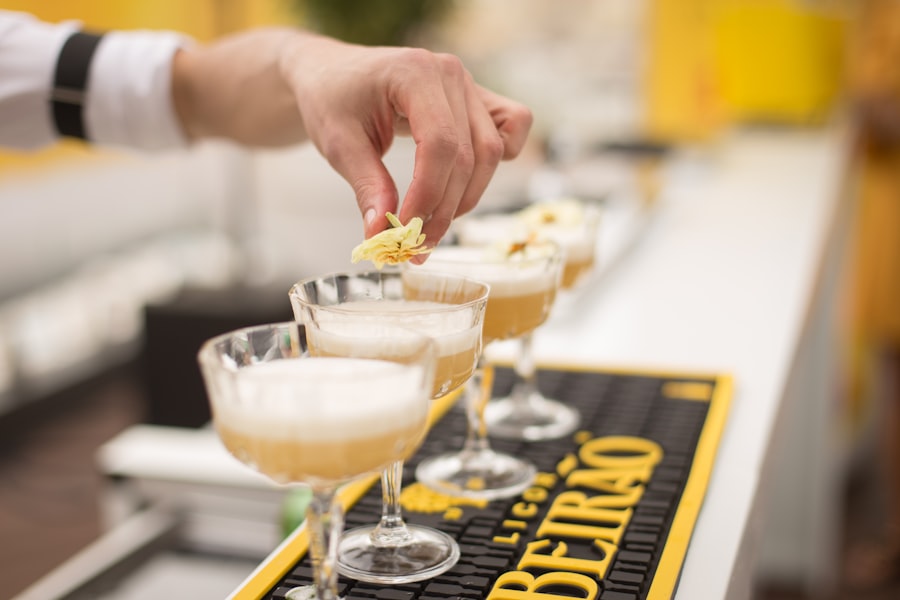
The goal is to craft dishes that are not only delicious but also memorable, leaving a lasting impression on anyone who tries them. Presentation is equally important in making your dishes shine. A beautifully plated dish can elevate the dining experience and entice reviewers to share their experience on social media.

Think about color contrast, texture variety, and even the choice of dishware. For instance, serving a vibrant salad on a rustic wooden board can create an appealing visual contrast that enhances the overall dining experience. Remember, in today’s digital age, a picture is worth a thousand words, and an Instagram-worthy dish can lead to increased visibility and engagement.

Engaging with the Food Review Community

How To Get Featured on Food Review YouTube Channels & TV Shows

Engaging with the food review community is a strategic move that can significantly enhance your restaurant’s visibility. Start by identifying local food bloggers, critics, and influencers who align with your brand values and culinary style. Building relationships with these individuals can lead to organic reviews and features that showcase your restaurant to a broader audience.

Attend local food events or invite reviewers for exclusive tastings to foster these connections.

Additionally, consider reaching out to reviewers through social media platforms. A simple comment on their posts or sharing their content can go a long way in establishing rapport.

When you engage authentically with the food review community, you not only increase your chances of being featured but also create a network of advocates who can help promote your restaurant through word-of-mouth marketing.

Leveraging Social Media and Online Presence

In today’s digital landscape, leveraging social media is crucial for any restaurant aiming to attract food reviewers. Platforms like Instagram, Facebook, and TikTok are not just for sharing photos; they are powerful tools for storytelling and brand building. Regularly posting high-quality images of your dishes, behind-the-scenes content, and customer testimonials can create an engaging online presence that draws attention from both diners and reviewers.

Moreover, consider utilizing hashtags strategically to increase your reach. Research trending hashtags related to food and dining in your area and incorporate them into your posts. This will help potential customers discover your restaurant while also catching the eye of local food critics who often scour social media for new dining experiences.

Engaging with followers through comments and direct messages can also foster a sense of community around your brand, making it more likely that they will share their experiences with others.

Building Relationships with Food Reviewers

Building strong relationships with food reviewers is essential for long-term success in gaining positive exposure. Start by reaching out personally to local critics or bloggers whose work you admire. A personalized email or message expressing your appreciation for their reviews can set a positive tone for future interactions.

Consider inviting them to exclusive tasting events or offering complimentary meals in exchange for honest feedback. Once you establish a connection, maintain it by keeping reviewers updated on new menu items or special events at your restaurant. This not only shows that you value their opinion but also keeps your establishment top-of-mind when they are looking for new places to feature.

Remember, building relationships takes time; consistency and genuine engagement are key to fostering loyalty among food reviewers.

Showcasing Unique and Trending Food Trends
How To Get Featured on Food Review YouTube Channels & TV Shows

To capture the attention of food reviewers, it’s essential to stay ahead of culinary trends while also showcasing what makes your restaurant unique. Research current food trends—such as plant-based dishes, fusion cuisine, or sustainable sourcing—and consider how you can incorporate them into your menu. Offering innovative dishes that align with these trends can set you apart from competitors and pique the interest of critics looking for fresh experiences.

Additionally, don’t shy away from experimenting with seasonal ingredients or limited-time offerings that highlight local flavors. This not only keeps your menu dynamic but also provides an opportunity for food reviewers to experience something new each time they visit. By positioning your restaurant as a trendsetter in the culinary scene, you increase your chances of being featured in reviews and articles focused on emerging dining experiences.

Highlighting the Story Behind the Food

Every dish has a story, and sharing that narrative can create a deeper connection with diners and reviewers alike. Whether it’s the inspiration behind a signature dish or the journey of sourcing ingredients from local farms, storytelling adds an emotional layer to the dining experience. Consider incorporating these stories into your menu descriptions or sharing them through social media posts.

Engaging storytelling can also extend to your restaurant’s history or mission. If you have a unique backstory—such as being family-owned or committed to sustainability—make sure to highlight this in your marketing materials. Reviewers appreciate authenticity and are more likely to write about establishments that resonate with them on a personal level.

By showcasing the story behind your food, you create an inviting atmosphere that encourages diners to connect with your brand.

Delivering Consistent Quality and Service

Finally, delivering consistent quality and service is non-negotiable when it comes to impressing food reviewers. A single bad experience can overshadow all previous positive interactions, so it’s crucial to maintain high standards across all aspects of your restaurant. Regularly train staff on customer service best practices and ensure that kitchen operations run smoothly to guarantee that every dish meets your quality standards.

Consistency also extends to menu offerings; if a dish is popular one week but unavailable the next due to inconsistency in preparation or ingredient sourcing, it can lead to disappointment among diners and reviewers alike. Regularly solicit feedback from both customers and staff to identify areas for improvement and ensure that every visit is memorable for all the right reasons. By prioritizing quality and service, you not only enhance customer satisfaction but also increase the likelihood of receiving positive reviews from critics who value reliability in their dining experiences.

In conclusion, attracting food reviewers requires a multifaceted approach that encompasses understanding selection criteria, creating standout dishes, engaging with the community, leveraging social media, building relationships, showcasing trends, highlighting stories, and delivering consistent quality. By implementing these strategies thoughtfully, you can elevate your restaurant’s profile in the competitive culinary landscape and foster lasting connections with both diners and critics alike.

If you’re looking to improve your restaurant’s marketing strategy, you may want to consider hiring a restaurant marketing consultancy like the one in Dawson Creek, British Columbia. They can help you navigate the world of food review YouTube channels and TV shows to get your restaurant featured. Check out this article on restaurant marketing consultancy in Dawson Creek, British Columbia for more information on how they can help elevate your restaurant’s visibility.

Free Consultation – Lets Connect

FAQs

What are food review YouTube channels and TV shows?

Food review YouTube channels and TV shows are platforms where hosts or presenters review and critique various types of food, including restaurants, dishes, and culinary experiences. These platforms often have a large following and can significantly impact the success of a restaurant or food product.

How can I get featured on food review YouTube channels and TV shows?

To get featured on food review YouTube channels and TV shows, you can start by reaching out to the hosts or producers of the channels or shows. You can also create engaging and unique content about your restaurant or food product and share it on social media to attract the attention of food reviewers.

What should I consider before reaching out to food review YouTube channels and TV shows?

Before reaching out to food review YouTube channels and TV shows, it’s important to research the specific preferences and criteria of the hosts or producers. You should also ensure that your restaurant or food product aligns with the theme and audience of the channel or show.

What are some tips for getting featured on food review YouTube channels and TV shows?

Some tips for getting featured on food review YouTube channels and TV shows include creating visually appealing and high-quality food presentations, offering unique and innovative dishes or culinary experiences, and engaging with the audience through social media and other platforms.

How can being featured on food review YouTube channels and TV shows benefit my restaurant or food product?

Being featured on food review YouTube channels and TV shows can significantly increase the visibility and credibility of your restaurant or food product. It can attract new customers, boost sales, and enhance your brand’s reputation within the food industry.

Restaurant Takeovers: How to Partner with Influencers for a Viral Marketing Boost

In today’s digital landscape, influencer marketing has emerged as a formidable strategy for restaurants looking to enhance their visibility and attract new customers. This approach leverages the credibility and reach of social media influencers to promote a brand, product, or service. For restaurants, this means tapping into a pre-existing audience that trusts the influencer’s recommendations.

The power of influencer marketing lies in its ability to create authentic connections with potential diners, making it a vital tool for customer acquisition and retention. Moreover, influencer marketing is not just about reaching a large audience; it’s about engaging with the right audience. When influencers share their experiences at your restaurant, they create a narrative that resonates with their followers.

This storytelling aspect can significantly enhance brand perception and drive foot traffic. As consumers increasingly seek authentic experiences over traditional advertising, partnering with influencers can help restaurants stand out in a crowded market, making it essential to understand how to effectively harness this power.

Key Takeaways

  • Influencer marketing can significantly impact your restaurant’s visibility and customer engagement.
  • Identifying the right influencers for your restaurant takeover involves considering their audience demographics and engagement rates.
  • Crafting a compelling partnership proposal requires showcasing the unique value your restaurant can offer to the influencer’s audience.
  • Leveraging social media platforms for maximum exposure involves strategic content distribution and engagement with the influencer’s followers.
  • Creating engaging content with influencers can enhance brand storytelling and drive customer interest in your restaurant.

Identifying the Right Influencers for Your Restaurant Takeover

Finding the right influencers for your restaurant takeover is crucial to the success of your marketing campaign. Start by defining your target audience. Consider factors such as age, location, dining preferences, and lifestyle.

Once you have a clear picture of who you want to reach, you can begin searching for influencers who align with these characteristics. Look for individuals who not only have a substantial following but also engage with their audience authentically. Tools like BuzzSumo or HypeAuditor can help you identify potential influencers based on their engagement rates and audience demographics.

Additionally, consider the niche of the influencer. For instance, if your restaurant specializes in vegan cuisine, collaborating with a plant-based food blogger would be more effective than partnering with a general lifestyle influencer. Review their previous content to ensure their style and values align with your brand.

Engaging with micro-influencers—those with smaller but highly engaged followings—can also be beneficial. They often have a more personal connection with their audience, which can lead to higher conversion rates and a more genuine promotion of your restaurant.

Crafting a Compelling Partnership Proposal

Restaurant Takeovers: How to Partner with Influencers for a Viral Marketing Boost

Once you’ve identified potential influencers, the next step is to craft a compelling partnership proposal that captures their interest. Start by introducing your restaurant and highlighting what makes it unique. Share your vision for the collaboration and how it aligns with the influencer’s brand.

Be specific about what you’re offering in return—whether it’s free meals, monetary compensation, or exclusive experiences. Influencers are more likely to engage if they see clear value in the partnership. In your proposal, outline the goals of the collaboration.

Are you looking to increase brand awareness, drive traffic during a specific event, or promote a new menu item?

Providing clear objectives will help influencers understand how they can contribute to your campaign’s success.

Additionally, include details about the expected deliverables, such as social media posts, blog features, or video content.

A well-structured proposal not only demonstrates professionalism but also sets the stage for a successful partnership.

Leveraging Social Media Platforms for Maximum Exposure

Social media platforms are the backbone of influencer marketing, providing an ideal space for restaurants to showcase their offerings. Each platform has its unique strengths; therefore, it’s essential to tailor your approach accordingly. Instagram is particularly effective for visually-driven content, making it perfect for sharing mouth-watering food photos and behind-the-scenes glimpses of your restaurant.

Encourage influencers to use Instagram Stories and Reels to create dynamic content that captures attention quickly. On the other hand, TikTok has rapidly gained popularity among younger audiences and is known for its viral potential. Collaborating with influencers on TikTok can help your restaurant reach a broader demographic through creative and entertaining videos.

Consider challenges or trends that align with your brand to encourage user-generated content and increase engagement. By leveraging multiple platforms strategically, you can maximize exposure and create a buzz around your restaurant takeover event.

Creating Engaging Content with Influencers

The content created during an influencer partnership should be engaging and authentic to resonate with their audience. Encourage influencers to share their genuine experiences at your restaurant—whether it’s tasting signature dishes or interacting with staff members. Authenticity is key; followers can easily spot insincerity, which can damage both the influencer’s credibility and your restaurant’s reputation.

In addition to traditional posts, consider incorporating interactive elements such as live Q&A sessions or cooking demonstrations hosted by the influencer. This not only engages their audience but also provides an opportunity for real-time interaction with potential customers. Collaborating on unique content ideas can set your restaurant apart from competitors and create memorable experiences that followers will want to share.

Maximizing the Impact of the Restaurant Takeover Event

Restaurant Takeovers: How to Partner with Influencers for a Viral Marketing Boost

To truly capitalize on an influencer partnership, consider hosting a restaurant takeover event where influencers can invite their followers to experience your establishment firsthand. This could be an exclusive tasting event or a themed night that aligns with the influencer’s brand. Promote the event across all social media channels and encourage influencers to share it with their followers to generate excitement.

During the event, ensure that everything runs smoothly—from the food presentation to customer service—to leave a lasting impression on both the influencers and their followers. Capture high-quality photos and videos throughout the event to use in future marketing efforts.

Post-event follow-ups are also essential; thank the influencers publicly on social media and encourage them to share their experiences afterward.

This not only reinforces positive relationships but also keeps the conversation going long after the event has ended.

Measuring the Success of the Influencer Partnership

After executing your influencer marketing campaign, it’s crucial to measure its success to understand what worked and what didn’t. Start by tracking key performance indicators (KPIs) such as engagement rates, reach, website traffic, and foot traffic during the campaign period. Use tools like Google Analytics to monitor changes in website visits or reservations made through social media links shared by influencers.

Additionally, gather feedback from both influencers and attendees about their experiences. This qualitative data can provide valuable insights into how your restaurant was perceived during the takeover event. Analyzing this information will help you refine future campaigns and make informed decisions about which influencers to partner with moving forward.

Building Long-Term Relationships with Influencers for Ongoing Marketing Efforts

The end of one campaign doesn’t have to mean the end of your relationship with an influencer. Building long-term partnerships can lead to ongoing marketing efforts that benefit both parties. Stay in touch with influencers after your initial collaboration by engaging with their content on social media and sharing updates about your restaurant’s offerings or events.

Consider creating an ambassador program where selected influencers receive exclusive perks in exchange for continued promotion of your restaurant. This could include special discounts for their followers or invitations to exclusive events. By fostering these relationships, you not only create brand advocates but also ensure that your restaurant remains top-of-mind for potential customers.

In conclusion, influencer marketing presents a powerful opportunity for restaurants looking to enhance their visibility and attract new customers. By understanding how to identify the right influencers, craft compelling proposals, leverage social media platforms effectively, create engaging content, maximize event impact, measure success, and build long-term relationships, restaurants can harness this strategy for sustained growth and success in an increasingly competitive market.

If you’re looking to boost your restaurant’s online presence and reach a wider audience, consider investing in restaurant SEO services like those offered in Dalhousie, New Brunswick. By optimizing your website and online content, you can improve your search engine rankings and attract more customers. Additionally, restaurant branding services in Sorel-Tracy, Quebec, can help you create a strong and memorable brand identity that resonates with your target audience. And if you’re looking for innovative restaurant marketing strategies, check out the services available in Revelstoke, British Columbia. By partnering with influencers and utilizing viral marketing techniques, you can generate buzz and attract new customers to your restaurant. Source

Free Consultation – Lets Connect

FAQs

What is a restaurant takeover?

A restaurant takeover is when an influencer or a group of influencers take over a restaurant’s social media accounts for a specific period of time to create and share content about the restaurant.

How can partnering with influencers benefit a restaurant?

Partnering with influencers can benefit a restaurant by increasing brand awareness, reaching a larger audience, and creating engaging and authentic content that can lead to a viral marketing boost.

What are some ways to partner with influencers for a restaurant takeover?

Restaurants can partner with influencers for a takeover by inviting them to dine at the restaurant, collaborating on content creation, and allowing them to take over the restaurant’s social media accounts for a day or a specific event.

What are the key considerations when choosing influencers for a restaurant takeover?

Key considerations when choosing influencers for a restaurant takeover include their relevance to the restaurant’s target audience, their engagement and authenticity, and their ability to create high-quality and compelling content.

How can a restaurant measure the success of a takeover with influencers?

Restaurants can measure the success of a takeover with influencers by tracking metrics such as increased social media followers, engagement rates, website traffic, and ultimately, an increase in foot traffic and sales.

Secrets of Instagram-Worthy Restaurant Design: How Aesthetic Interiors Attract Customers

In today’s digital age, Instagram has emerged as a pivotal platform for restaurant marketing. With over a billion active users, the visual-centric nature of Instagram allows restaurants to showcase their culinary creations and ambiance in a way that resonates with potential customers. The platform’s emphasis on high-quality images and engaging stories makes it an ideal space for restaurants to build their brand identity and connect with their audience.

By sharing visually appealing content, restaurants can attract new patrons, foster loyalty among existing customers, and ultimately drive foot traffic.

Moreover, Instagram serves as a powerful tool for word-of-mouth marketing.

When customers share their dining experiences on their own profiles, they effectively become brand ambassadors.

This organic promotion can lead to increased visibility and credibility for your restaurant. Engaging with followers through comments, direct messages, and interactive stories can further enhance this relationship, creating a community around your brand. As a result, restaurants that leverage Instagram effectively can see significant growth in customer acquisition and retention.

Key Takeaways

  • Instagram is a crucial tool for restaurant marketing, providing a platform to showcase the aesthetic and atmosphere of the establishment.
  • Aesthetic interior design has the power to attract and retain customers, creating a visually appealing and memorable dining experience.
  • Creating a unique and memorable atmosphere is essential for standing out in a competitive restaurant industry.
  • Natural lighting and eye-catching decor can enhance the ambiance of a restaurant, making it more inviting for customers and providing great photo opportunities for Instagram.
  • Incorporating Instagrammable features and photo opportunities can help to increase social media engagement and attract new customers to the restaurant.

Understanding the Power of Aesthetic Interior Design

Aesthetic interior design plays a crucial role in shaping the overall dining experience. The ambiance of a restaurant can influence a customer’s mood, perception of the food, and likelihood of returning. A well-designed space not only attracts customers but also encourages them to linger longer, increasing the chances of additional orders.

Elements such as layout, furniture selection, and decor all contribute to creating an inviting atmosphere that aligns with your restaurant’s brand identity. Furthermore, aesthetic design can set your restaurant apart from competitors. In a saturated market, having a unique interior can be a significant differentiator.

Whether it’s through eclectic decor, themed dining areas, or innovative seating arrangements, a thoughtfully designed space can leave a lasting impression on guests. This is particularly important in the age of social media, where customers are eager to share their experiences online. A visually stunning interior can lead to more social media posts and shares, amplifying your restaurant’s reach.

Creating a Unique and Memorable Atmosphere

Secrets of Instagram-Worthy Restaurant Design: How Aesthetic Interiors Attract Customers

To create a unique and memorable atmosphere, it’s essential to consider the overall theme and concept of your restaurant. This involves curating an experience that resonates with your target audience while reflecting your culinary offerings. For instance, if you run a farm-to-table restaurant, incorporating rustic elements like reclaimed wood and greenery can enhance the authenticity of your brand.

On the other hand, a modern fusion eatery might benefit from sleek lines and contemporary art pieces. In addition to thematic consistency, incorporating sensory elements can elevate the dining experience. Consider how sound, scent, and even temperature play into the atmosphere.

Soft background music can create a relaxed vibe, while the aroma of freshly prepared dishes can entice guests as they enter. By engaging multiple senses, you create an immersive environment that guests are likely to remember and talk about long after their visit.

Utilizing Natural Lighting and Eye-Catching Decor

Natural lighting is one of the most effective ways to enhance the aesthetic appeal of your restaurant. Not only does it create a warm and inviting atmosphere, but it also makes food look more appetizing in photographs. Large windows or skylights can flood your space with light during the day, making it feel open and airy.

Additionally, natural light has been shown to improve mood and overall dining satisfaction, encouraging guests to stay longer and order more. In conjunction with natural lighting, eye-catching decor can serve as focal points that draw attention and spark conversation. Unique art pieces, vibrant murals, or even interactive installations can create Instagram-worthy moments that guests will want to capture and share.

By strategically placing these elements throughout your space, you encourage patrons to explore and engage with their surroundings, enhancing their overall experience.

Incorporating Instagrammable Features and Photo Opportunities

Incorporating Instagrammable features into your restaurant design is essential for attracting social media-savvy diners. These features can range from visually striking wall murals to unique furniture arrangements that encourage group photos. Consider creating designated photo spots with appealing backdrops or props that align with your brand’s theme.

This not only enhances the dining experience but also encourages guests to share their photos online, effectively promoting your restaurant. Additionally, think about how you can integrate seasonal or themed decor that changes throughout the year. This keeps your space fresh and encourages repeat visits from locals who want to capture new content for their feeds.

By consistently providing new photo opportunities, you create an environment where guests feel inspired to share their experiences on social media, further amplifying your restaurant’s visibility.

The Role of Color Psychology in Restaurant Design

Secrets of Instagram-Worthy Restaurant Design: How Aesthetic Interiors Attract Customers

Color psychology plays a significant role in influencing customer behavior and perceptions within a restaurant setting. Different colors evoke various emotions and reactions; for instance, warm colors like red and orange can stimulate appetite and energy levels, making them ideal for casual dining environments. In contrast, cooler colors like blue and green tend to promote calmness and relaxation, which may be more suitable for fine dining establishments.

When designing your restaurant’s interior, consider how color schemes align with your brand identity and target audience. A vibrant color palette may attract younger diners looking for an energetic atmosphere, while muted tones may appeal to those seeking a more sophisticated experience. By thoughtfully selecting colors that resonate with your concept and clientele, you can create an environment that enhances the overall dining experience.

Balancing Comfort and Aesthetics for a Welcoming Space

While aesthetics are crucial in attracting customers, comfort should never be overlooked in restaurant design. A beautiful space that lacks comfortable seating or adequate spacing can deter guests from returning. Striking the right balance between visual appeal and comfort is essential for creating a welcoming environment where patrons feel at ease.

Consider factors such as seating arrangements, table sizes, and overall layout when designing your space. Providing a variety of seating options—such as cozy booths for intimate dinners or communal tables for larger groups—can cater to different customer preferences. Additionally, ensuring that there is enough space between tables allows for privacy while maintaining an open feel.

By prioritizing both comfort and aesthetics, you create an inviting atmosphere that encourages guests to relax and enjoy their dining experience.

Leveraging Social Media to Showcase Your Restaurant’s Design

Once you’ve created an aesthetically pleasing restaurant space, it’s time to leverage social media platforms like Instagram to showcase your design. Regularly posting high-quality images of your interior can attract potential customers who are drawn to visually appealing spaces. Use engaging captions that tell the story behind your design choices or highlight special features within your restaurant.

Engaging with your audience is equally important; respond to comments and encourage followers to share their own photos taken at your establishment. Consider hosting contests or promotions that incentivize guests to post about their experiences using specific hashtags related to your restaurant. This not only increases engagement but also creates a sense of community around your brand.

By actively showcasing your restaurant’s design on social media, you can enhance visibility and attract new customers eager to experience your unique atmosphere firsthand. In conclusion, Instagram is not just a social media platform; it’s a powerful marketing tool that can significantly impact the success of your restaurant. By understanding the importance of aesthetic interior design and creating a unique atmosphere that resonates with customers, you can enhance their dining experience while driving engagement online.

Incorporating natural lighting, eye-catching decor, Instagrammable features, and color psychology into your design will further elevate your space’s appeal. Balancing comfort with aesthetics ensures that guests feel welcome while enjoying their meals. Finally, leveraging social media effectively allows you to showcase your restaurant’s design and engage with potential customers in meaningful ways.

Embrace these strategies to transform your restaurant into a must-visit destination in today’s competitive market!

If you’re interested in learning more about how to engage customers at your restaurant, check out this article on restaurant customer engagement in Timmins, Ontario. It offers valuable insights and strategies for creating a memorable dining experience that keeps customers coming back for more.

Free Consultation – Lets Connect

FAQs

What is Instagram-worthy restaurant design?

Instagram-worthy restaurant design refers to the aesthetic and visually appealing interior and exterior design of a restaurant that is likely to attract attention and be shared on social media platforms like Instagram.

Why is Instagram-worthy restaurant design important?

Instagram-worthy restaurant design is important because it can attract customers and generate free publicity through social media sharing. A visually appealing restaurant is more likely to be noticed and visited by potential customers.

What are some key elements of Instagram-worthy restaurant design?

Key elements of Instagram-worthy restaurant design include unique decor, stylish furniture, attractive lighting, eye-catching artwork, and visually appealing food presentation. The overall ambiance and atmosphere of the restaurant also play a crucial role.

How does Instagram-worthy restaurant design impact customer experience?

Instagram-worthy restaurant design can enhance the overall customer experience by creating a visually stimulating and memorable environment. It can also influence customers’ perception of the quality and value of the restaurant.

What are some tips for creating an Instagram-worthy restaurant design?

Some tips for creating an Instagram-worthy restaurant design include incorporating unique and eye-catching elements, paying attention to lighting and color schemes, creating photo-worthy food and drink presentations, and ensuring that the overall ambiance is inviting and visually appealing.

How Restaurants Can Use Food Challenges to Drive Social Media Engagement

Food challenges have become a captivating trend in the restaurant industry, drawing in adventurous eaters and curious onlookers alike. These challenges often involve consuming large quantities of food within a set time limit or tackling unique culinary creations that push the boundaries of traditional dining. From the infamous “10-pound burger” to spicy pepper challenges, these events not only test the limits of participants but also serve as a powerful marketing tool for restaurants.

By creating an engaging atmosphere around food challenges, establishments can attract new customers, generate buzz, and enhance their brand visibility. The allure of food challenges lies in their ability to create memorable experiences. Participants often share their journeys on social media, showcasing their triumphs and failures, which can lead to viral moments that benefit the restaurant.

As diners seek out unique experiences, food challenges provide an opportunity for restaurants to stand out in a crowded market.

By tapping into this trend, restaurants can foster a sense of community and excitement, encouraging patrons to return for more than just a meal.

Key Takeaways

  • Food challenges are a popular trend in the restaurant industry, attracting customers and generating buzz.
  • Social media is a powerful tool for marketing food challenges, reaching a wide audience and creating excitement.
  • Successful food challenges require careful planning, including setting clear rules and creating an enticing reward.
  • Promoting food challenges on social media involves creating engaging content, utilizing hashtags, and leveraging user-generated content.
  • Encouraging user-generated content can help spread the word about food challenges and create a sense of community among participants.

The Power of Social Media in Restaurant Marketing

In today’s digital age, social media has transformed the way restaurants market themselves. Platforms like Instagram, Facebook, and TikTok have become essential tools for reaching potential customers and building brand loyalty. The visual nature of these platforms allows restaurants to showcase their food, ambiance, and unique offerings in a way that resonates with audiences.

Engaging content can quickly go viral, leading to increased foot traffic and online orders. Social media also enables restaurants to interact directly with their customers, fostering a sense of connection and community. By responding to comments, sharing user-generated content, and hosting live events, restaurants can create a loyal following that feels personally invested in their success.

This two-way communication is crucial for building brand loyalty and encouraging repeat visits. As food challenges gain traction on social media, they provide an excellent opportunity for restaurants to leverage these platforms for maximum exposure.

Creating a Successful Food Challenge

How Restaurants Can Use Food Challenges to Drive Social Media Engagement

Designing a successful food challenge requires careful planning and creativity. First and foremost, the challenge should be unique and appealing to your target audience. Consider incorporating local ingredients or flavors that reflect your restaurant’s identity.

For instance, if you run a barbecue joint, a “meat lover’s challenge” featuring various smoked meats could attract enthusiasts eager to test their limits. Additionally, ensure that the challenge is achievable yet difficult enough to entice participants.

Next, establish clear rules and guidelines for the challenge.

This includes setting time limits, portion sizes, and any necessary safety precautions. Transparency is key; participants should know exactly what they are signing up for. Consider offering incentives such as prizes or recognition on your social media channels for those who complete the challenge successfully.

This not only motivates participants but also creates a sense of accomplishment that they will want to share with their friends and followers.

Promoting Food Challenges on Social Media

Once your food challenge is ready to go, it’s time to promote it effectively on social media. Start by creating eye-catching graphics and videos that highlight the challenge’s details and prizes. Use engaging captions that encourage followers to participate or tag friends who might be interested.

Consider running targeted ads on platforms like Facebook and Instagram to reach a broader audience beyond your existing followers. Utilizing hashtags is another powerful way to increase visibility. Create a unique hashtag for your food challenge that participants can use when sharing their experiences online.

This not only helps you track engagement but also allows others to discover the challenge easily. Additionally, consider hosting a launch event or live stream where participants can showcase their attempts in real-time, further amplifying excitement around the challenge.

Encouraging User-Generated Content

User-generated content (UGC) is a goldmine for restaurants looking to enhance their online presence. When participants share their experiences with your food challenge on social media, they create authentic content that resonates with their followers. Encourage this by offering incentives for sharing—such as discounts on future visits or entry into a giveaway for those who post about the challenge using your designated hashtag.

Engaging with UGC is equally important. Share participants’ posts on your restaurant’s social media channels, giving them recognition and fostering a sense of community. This not only encourages more people to participate but also showcases the fun and excitement surrounding your food challenge.

By creating an environment where customers feel valued and appreciated, you can cultivate a loyal customer base eager to return for future events.

Leveraging Influencers and Brand Ambassadors

How Restaurants Can Use Food Challenges to Drive Social Media Engagement

Influencers and brand ambassadors can significantly amplify the reach of your food challenge. Partnering with local food bloggers or social media influencers who align with your brand can help you tap into their established audiences. These individuals often have dedicated followers who trust their recommendations, making them ideal advocates for your restaurant’s food challenge.

When collaborating with influencers, provide them with all the necessary details about the challenge, including rules, prizes, and any unique aspects of your restaurant that should be highlighted. Encourage them to document their experience through engaging content—whether it’s videos of them attempting the challenge or behind-the-scenes glimpses of your restaurant’s atmosphere. Their authentic take on the experience can inspire their followers to participate as well.

Tracking and Measuring Social Media Engagement

To understand the effectiveness of your food challenge promotion, it’s essential to track and measure social media engagement. Utilize analytics tools available on platforms like Facebook and Instagram to monitor metrics such as likes, shares, comments, and overall reach. Pay attention to which types of content resonate most with your audience—this insight can inform future marketing strategies.

Additionally, consider conducting surveys or polls among participants after the challenge concludes. Gathering feedback can provide valuable insights into what worked well and what could be improved for future events. By continuously refining your approach based on data-driven insights, you can enhance the overall success of your food challenges and ensure they remain appealing to your target audience.

Case Studies of Successful Food Challenges

Examining successful case studies can provide valuable lessons for restaurants looking to implement their own food challenges. One notable example is the “Spicy Noodle Challenge” at a popular Asian fusion restaurant in Toronto. The restaurant created a buzz by inviting customers to take on an extremely spicy noodle dish within a set time limit.

Participants shared their experiences on social media using a unique hashtag, leading to increased visibility and foot traffic. Another success story comes from a burger joint in Los Angeles that introduced a “Mega Burger Challenge.” Diners were tasked with finishing a massive burger topped with an array of ingredients within 30 minutes. The restaurant partnered with local influencers who documented their attempts on social media, generating excitement and attracting new customers eager to take part in the challenge.

These case studies highlight the importance of creativity, effective promotion, and community engagement in executing successful food challenges. By learning from these examples and adapting strategies to fit your restaurant’s unique identity, you can create memorable experiences that resonate with customers and drive growth. In conclusion, food challenges present an exciting opportunity for restaurants to engage customers while enhancing their marketing efforts through social media.

By creating unique challenges, promoting them effectively, encouraging user-generated content, leveraging influencers, tracking engagement metrics, and learning from successful case studies, restaurants can harness the power of food challenges to boost visibility and drive customer acquisition in today’s competitive landscape. Embrace this trend and watch as your restaurant becomes a local hotspot for culinary adventures!

If you’re interested in learning more about marketing strategies for cafes in Quebec, check out this article on marketing for cafes in Quebec, Quebec. This article provides valuable insights on how cafes can effectively market themselves in a competitive industry. It’s a great resource for cafe owners looking to boost their online presence and drive customer engagement.

Free Consultation – Lets Connect

FAQs

What are food challenges in restaurants?

Food challenges in restaurants are eating contests or challenges where participants attempt to consume a large quantity of food within a certain time limit. These challenges often involve extremely large portions of food and are designed to be difficult to complete.

How can restaurants use food challenges to drive social media engagement?

Restaurants can use food challenges to drive social media engagement by creating buzz around the challenge, encouraging participants to share their experiences on social media, and offering incentives such as prizes or recognition for completing the challenge. This can lead to increased visibility and engagement on social media platforms.

What are the benefits of using food challenges to drive social media engagement?

Using food challenges to drive social media engagement can help restaurants attract new customers, increase brand awareness, and create a sense of community among participants. It can also generate user-generated content and word-of-mouth marketing, which can be valuable for a restaurant’s marketing efforts.

What are some examples of successful food challenges used for social media engagement?

Some examples of successful food challenges used for social media engagement include the “giant burger challenge” or the “spicy wing challenge” where participants attempt to eat an extremely large burger or a certain number of spicy wings within a specific time frame. These challenges often attract attention on social media and can go viral, leading to increased engagement for the restaurant.

Viral Guerilla Marketing for Restaurants: Creative Stunts That Attract Crowds

In the competitive landscape of the restaurant industry, standing out is more crucial than ever. Traditional marketing methods often fall short in capturing the attention of potential diners, leading many establishments to explore innovative strategies. Enter viral guerilla marketing—a dynamic approach that leverages creativity and surprise to engage audiences in unexpected ways.

This form of marketing is not just about promoting a restaurant; it’s about creating memorable experiences that resonate with customers and encourage them to share their experiences with others. Viral guerilla marketing thrives on the element of surprise and the power of word-of-mouth. By crafting unique and engaging stunts, restaurants can capture the imagination of their target audience, leading to increased foot traffic and social media buzz.

This approach is particularly effective for restaurants looking to build a strong brand identity and foster community engagement. In this article, we will explore the power of creative stunts, share successful examples, and provide actionable tips for implementing your own guerilla marketing campaigns.

Key Takeaways

  • Viral guerilla marketing is a powerful tool for restaurants to create buzz and attract customers in a creative and unconventional way.
  • Creative stunts have the power to attract crowds and generate excitement, leading to increased visibility and foot traffic for restaurants.
  • Successful viral guerilla marketing campaigns for restaurants include examples such as pop-up dining experiences, food truck flash mobs, and interactive social media challenges.
  • Tips for creating memorable and shareable marketing stunts include thinking outside the box, tapping into current trends, and creating an emotional connection with the audience.
  • Leveraging social media is crucial for amplifying the reach of guerilla marketing efforts, as it allows for wider exposure and engagement with potential customers.

The Power of Creative Stunts in Attracting Crowds

Creative stunts have the potential to transform a mundane dining experience into an unforgettable event. When executed effectively, these stunts can draw large crowds, generate media coverage, and create a buzz that extends far beyond the initial event. The key lies in originality—restaurants must think outside the box to devise stunts that not only capture attention but also align with their brand values and target audience.

For instance, consider a restaurant that specializes in gourmet burgers. Instead of simply promoting a new menu item through traditional advertising, they could host a “Burger Olympics,” where participants compete in various burger-related challenges. This not only engages the local community but also encourages participants to share their experiences on social media, amplifying the restaurant’s reach.

By creating an interactive experience, restaurants can foster a sense of community while simultaneously promoting their offerings.

Examples of Successful Viral Guerilla Marketing Campaigns for Restaurants

Viral Guerilla Marketing for Restaurants: Creative Stunts That Attract Crowds

Several restaurants have successfully harnessed the power of guerilla marketing to create viral campaigns that resonate with audiences. One notable example is the “Free Taco Day” campaign launched by Taco Bell. To celebrate a significant sports event, Taco Bell offered free tacos to customers who showed up at their locations during a specific time frame.

The campaign not only attracted large crowds but also generated extensive media coverage and social media engagement, resulting in increased brand visibility. Another inspiring case is that of a small pizzeria that decided to host a “Pizza in the Sky” event. They partnered with a local hot air balloon company to offer customers the chance to enjoy pizza while floating high above the city.

This unique experience not only drew attention from local media but also created a social media frenzy as participants shared their aerial dining experiences online. Such campaigns demonstrate how creativity can lead to significant brand exposure and customer engagement.

Tips for Creating Memorable and Shareable Marketing Stunts

Creating memorable and shareable marketing stunts requires careful planning and execution. Here are some actionable tips to help you design your own guerilla marketing campaign: 1. **Know Your Audience**: Understanding your target demographic is crucial.

Tailor your stunt to resonate with their interests and preferences. Conduct surveys or engage with customers on social media to gather insights. 2.

**Be Authentic**: Ensure that your stunt aligns with your restaurant’s brand identity. Authenticity fosters trust and encourages customers to engage with your brand on a deeper level. 3.

**Incorporate Elements of Surprise**: The element of surprise is what makes guerilla marketing effective. Think about how you can catch your audience off guard—whether it’s through unexpected performances, pop-up events, or unique collaborations. 4.

**Encourage Participation**: Create opportunities for customers to get involved in your stunt. This could be through contests, challenges, or interactive experiences that encourage sharing on social media. 5.

**Plan for Social Media**: Design your stunt with social media in mind. Consider how it will look on camera and how participants can easily share their experiences online.

Leveraging Social Media to Amplify the Reach of Guerilla Marketing Efforts

Social media plays a pivotal role in amplifying the reach of guerilla marketing campaigns. With platforms like Instagram, TikTok, and Facebook, restaurants can showcase their creative stunts to a broader audience, driving engagement and interest. To maximize your social media impact, consider these strategies: 1.

**Create Shareable Content**: Develop visually appealing content that encourages sharing. High-quality images and videos of your stunt can capture attention and entice users to share with their followers. 2.

**Use Relevant Hashtags**: Incorporate trending hashtags related to your campaign to increase visibility. This can help your content reach users who may not be familiar with your restaurant. 3.

**Engage with Your Audience**: Actively engage with users who share or comment on your posts. Responding to comments and sharing user-generated content can foster a sense of community and encourage further engagement. 4.

**Collaborate with Influencers**: Partnering with local influencers can significantly boost your campaign’s reach. Influencers can help promote your stunt to their followers, driving traffic to your restaurant. 5.

**Monitor Analytics**: Keep track of engagement metrics to understand what resonates with your audience. Use this data to refine future campaigns and improve overall marketing strategies.

The Importance of Authenticity and Relevance in Guerilla Marketing for Restaurants

Viral Guerilla Marketing for Restaurants: Creative Stunts That Attract Crowds

Authenticity and relevance are paramount when it comes to guerilla marketing for restaurants. Customers are increasingly drawn to brands that reflect their values and resonate with their experiences. A stunt that feels forced or disconnected from the brand can lead to negative perceptions and disengagement.

To ensure authenticity, restaurants should stay true to their core values and mission when planning marketing stunts. For example, if a restaurant prides itself on sustainability, consider organizing an eco-friendly event that highlights local produce or promotes waste reduction initiatives. This not only reinforces the brand’s identity but also attracts like-minded customers who appreciate genuine efforts toward sustainability.

Relevance is equally important; stunts should align with current trends or events that matter to your audience. For instance, during a major sporting event or holiday season, consider creating themed promotions or events that tap into the excitement surrounding those occasions. By staying relevant, restaurants can capture attention and foster deeper connections with their customers.

Measuring the Success of Viral Guerilla Marketing Campaigns

Measuring the success of guerilla marketing campaigns is essential for understanding their impact and refining future efforts. Here are some key metrics to consider: 1. **Foot Traffic**: Monitor changes in foot traffic during and after the campaign period.

Increased customer visits can indicate the effectiveness of your stunt in attracting new diners. 2. **Social Media Engagement**: Track likes, shares, comments, and overall engagement on social media platforms related to your campaign.

High engagement levels often correlate with successful viral marketing efforts. 3. **Media Coverage**: Assess any media coverage generated by your stunt.

Articles, blog posts, or news segments featuring your restaurant can significantly enhance brand visibility. 4. **Customer Feedback**: Gather feedback from customers who participated in the campaign through surveys or social media interactions.

Understanding their experiences can provide valuable insights for future campaigns. 5. **Sales Metrics**: Analyze sales data during the campaign period compared to previous periods.

An increase in sales can be a strong indicator of a successful marketing effort.

Embracing Creativity and Innovation in Restaurant Marketing

In an industry where competition is fierce, embracing creativity and innovation through viral guerilla marketing can set restaurants apart from the crowd. By crafting memorable experiences that resonate with audiences, restaurants can foster community engagement, drive foot traffic, and enhance brand visibility. As you embark on your guerilla marketing journey, remember the importance of authenticity, relevance, and strategic planning.

With the right approach, your restaurant can create buzzworthy campaigns that not only attract customers but also leave a lasting impression in their minds—and on their social media feeds. So go ahead—think outside the box, take risks, and let your creativity shine!

If you’re interested in learning more about restaurant branding services, check out this article on Restaurant Branding Services in Caraquet, New Brunswick. This article discusses the importance of creating a strong brand identity for your restaurant to attract customers and stand out in a competitive market. By implementing creative branding strategies, you can effectively communicate your restaurant’s unique value proposition and attract a loyal customer base.

Free Consultation – Lets Connect

FAQs

What is viral guerilla marketing for restaurants?

Viral guerilla marketing for restaurants is a marketing strategy that involves creating unconventional and attention-grabbing stunts or campaigns to promote a restaurant. The goal is to generate buzz and attract a large audience through word-of-mouth and social media sharing.

What are some examples of viral guerilla marketing for restaurants?

Examples of viral guerilla marketing for restaurants include hosting pop-up events in unexpected locations, creating interactive and shareable experiences for customers, organizing flash mobs, or partnering with local influencers to promote the restaurant.

How can viral guerilla marketing benefit restaurants?

Viral guerilla marketing can benefit restaurants by increasing brand awareness, attracting new customers, and generating social media engagement. It can also create a unique and memorable experience for customers, leading to positive word-of-mouth and repeat business.

What are some considerations for implementing viral guerilla marketing for restaurants?

When implementing viral guerilla marketing for restaurants, it’s important to consider the target audience, the brand’s image, and local regulations. Additionally, it’s crucial to ensure that the stunt or campaign aligns with the restaurant’s values and resonates with the intended audience.

The Science of FOMO (Fear of Missing Out) and How It Drives Restaurant Sales

FOMO, or the “Fear of Missing Out,” is a psychological phenomenon that has gained significant traction in recent years, particularly in the context of social media and consumer behavior. At its core, FOMO refers to the anxiety that arises when individuals feel they are missing out on rewarding experiences that others are enjoying.

This feeling can be triggered by seeing friends or influencers sharing their experiences online, leading to a sense of urgency to participate in similar activities.

In the restaurant industry, FOMO can manifest in various ways, from limited-time offers to exclusive events that create a buzz among potential diners. The mechanics of FOMO are rooted in social comparison theory, which suggests that people evaluate their own experiences against those of others. When individuals see others enjoying a unique dining experience, they may feel compelled to seek out similar opportunities to avoid feeling left out.

This creates a powerful incentive for restaurants to craft marketing strategies that tap into this emotional response, ultimately driving foot traffic and increasing sales. By understanding the nuances of FOMO, restaurant owners can better position themselves to attract customers who are eager to be part of the latest culinary trends.

Key Takeaways

  • FOMO, or fear of missing out, is a psychological phenomenon where people feel anxious about missing out on rewarding experiences or opportunities.
  • FOMO can lead to impulsive decision-making and increased consumption as individuals seek to avoid missing out on something desirable.
  • Restaurants can leverage FOMO by creating exclusive and limited-time offers, using scarcity and urgency to drive customer action.
  • Creating FOMO-worthy experiences in restaurants can drive sales by offering unique and shareable experiences that customers want to be a part of.
  • Social media plays a crucial role in amplifying FOMO for restaurants by showcasing exclusive events, limited-time offers, and user-generated content that creates a sense of urgency and desire.

The Psychology Behind FOMO and Its Impact on Consumer Behavior

The psychology behind FOMO is complex and multifaceted, involving elements of social validation, self-esteem, and the innate human desire for connection. When consumers perceive that an experience is exclusive or limited, it heightens its desirability. This is particularly true in the restaurant sector, where unique dining experiences can become status symbols among social circles.

The fear of being left out can lead to impulsive decision-making, prompting consumers to choose a restaurant based on its perceived popularity rather than personal preference. Moreover, FOMO can significantly influence consumer behavior by creating a sense of urgency. When diners believe that an offer or experience is fleeting, they are more likely to act quickly to secure their spot.

This urgency can be amplified through marketing tactics such as countdown timers for reservations or limited-time menu items. As a result, restaurants that effectively leverage FOMO can not only increase immediate sales but also foster a loyal customer base eager to return for future exclusive offerings.

Leveraging FOMO in Restaurant Marketing Strategies

The Science of FOMO (Fear of Missing Out) and How It Drives Restaurant Sales

To effectively leverage FOMO in restaurant marketing strategies, it is essential to create a narrative that resonates with potential diners. This can be achieved through storytelling that highlights unique aspects of the dining experience, such as chef specials, seasonal ingredients, or exclusive events. By framing these offerings as limited-time opportunities, restaurants can instill a sense of urgency that encourages customers to act quickly.

Additionally, utilizing social proof is a powerful way to amplify FOMO. Showcasing customer testimonials, user-generated content, and influencer partnerships can create an authentic buzz around the restaurant. When potential diners see others enjoying their meals and sharing their experiences online, it reinforces the idea that they too should partake in what everyone else is raving about.

Incorporating visually appealing images and videos into marketing materials can further enhance this effect, making it easier for customers to envision themselves enjoying the experience.

Creating FOMO-Worthy Experiences: How Restaurants Can Drive Sales

Creating FOMO-worthy experiences requires a thoughtful approach that combines creativity with strategic planning. One effective method is to host exclusive events or themed nights that cater to specific interests or trends. For instance, a restaurant could organize a wine pairing dinner featuring rare vintages or a pop-up event with a renowned chef.

These types of experiences not only attract attention but also create memorable moments that diners will want to share on social media. Another way to drive sales through FOMO is by offering limited-time menu items or seasonal dishes that highlight local ingredients. By promoting these offerings as exclusive and time-sensitive, restaurants can encourage customers to visit before they miss out.

Additionally, implementing loyalty programs that reward customers for participating in these exclusive experiences can further enhance engagement and repeat visits. By making diners feel like insiders with access to special offerings, restaurants can cultivate a loyal following eager to return for more.

The Role of Social Media in Amplifying FOMO for Restaurants

Social media plays a pivotal role in amplifying FOMO for restaurants by providing a platform for sharing experiences and creating buzz around unique offerings. Platforms like Instagram and TikTok are particularly effective for showcasing visually appealing dishes and vibrant dining atmospheres. When users share their dining experiences online, it not only serves as social proof but also inspires others to seek out similar experiences.

Moreover, social media allows restaurants to engage directly with their audience, fostering a sense of community and connection. By actively responding to comments and sharing user-generated content, restaurants can create an interactive environment that encourages participation. Utilizing features such as stories and live videos can also enhance engagement by providing real-time updates on exclusive events or limited-time offers.

This immediacy taps into the urgency associated with FOMO, prompting followers to act quickly before they miss out.

Case Studies: Successful Restaurant Campaigns Utilizing FOMO

The Science of FOMO (Fear of Missing Out) and How It Drives Restaurant Sales

Creating Buzz with Limited-Time Offers

Several restaurants have successfully harnessed the power of FOMO in their marketing campaigns, resulting in increased foot traffic and sales. One notable example is a trendy eatery that launched a limited-time brunch menu featuring unique dishes inspired by global cuisines. By promoting the menu through eye-catching social media posts and influencer partnerships, the restaurant created a buzz that led to long lines and sold-out reservations during the promotion period.

Exclusive Offers: The Key to Customer Engagement

Another successful case study involves a popular burger joint that introduced an exclusive “secret menu” item available only to those who followed them on social media. This strategy not only incentivized customers to engage with the brand online but also created an air of exclusivity around the offering.

FOMO in Action: Driving Sales and Foot Traffic

As word spread about the secret menu item, more diners flocked to the restaurant in hopes of trying something unique that their friends might miss out on. By leveraging FOMO, these restaurants were able to drive sales and foot traffic, ultimately boosting their bottom line.

Overcoming FOMO Fatigue: Balancing Exclusivity and Accessibility

While leveraging FOMO can be an effective marketing strategy, it is essential for restaurants to strike a balance between exclusivity and accessibility. Overusing FOMO tactics can lead to consumer fatigue, where potential diners become desensitized to constant promotions and limited-time offers. To avoid this pitfall, restaurants should focus on creating genuine experiences that resonate with their audience rather than relying solely on scarcity tactics.

One way to achieve this balance is by offering a mix of exclusive events alongside regular promotions that cater to a broader audience. For instance, while hosting an exclusive wine tasting event may attract a niche crowd, offering discounted happy hours or family-friendly specials can draw in a wider range of customers. By diversifying offerings and ensuring that there are accessible options available, restaurants can maintain interest without overwhelming their audience with constant urgency.

The Future of FOMO in the Restaurant Industry: Trends and Innovations

As the restaurant industry continues to evolve, so too will the strategies surrounding FOMO marketing. One emerging trend is the integration of technology into dining experiences, such as augmented reality menus or interactive dining concepts that engage customers in new ways. These innovations not only create unique experiences but also generate excitement and anticipation among diners.

Additionally, sustainability and ethical dining practices are becoming increasingly important to consumers. Restaurants that emphasize their commitment to local sourcing or eco-friendly practices can create a sense of exclusivity around their offerings while appealing to socially conscious diners. By aligning FOMO strategies with broader industry trends, restaurants can position themselves as leaders in both innovation and customer engagement.

In conclusion, understanding and leveraging FOMO can significantly enhance a restaurant’s marketing strategy and drive customer engagement. By creating memorable experiences and utilizing social media effectively, restaurants can tap into this powerful psychological phenomenon while ensuring they maintain a balance between exclusivity and accessibility for all diners. As trends continue to evolve, staying ahead of the curve will be crucial for restaurants looking to thrive in an increasingly competitive landscape.

If you’re interested in learning more about how restaurants can boost their online presence to drive sales, check out this article on Restaurant Online Presence in Brockville, Ontario. This piece delves into the importance of utilizing digital marketing strategies to attract customers and increase revenue. By implementing effective SEO tactics and engaging with customers on social media, restaurants can capitalize on the FOMO phenomenon and drive more foot traffic through their doors.

Free Consultation – Lets Connect

FAQs

What is FOMO (Fear of Missing Out)?

FOMO, or Fear of Missing Out, is a psychological phenomenon where individuals experience anxiety or unease about missing out on a rewarding experience, event, or opportunity.

How does FOMO drive restaurant sales?

Restaurants can capitalize on FOMO by creating limited-time offers, exclusive menu items, or special events to entice customers to visit their establishment. The fear of missing out on these unique experiences can drive increased foot traffic and sales.

What are some strategies restaurants use to leverage FOMO?

Restaurants may use social media to create buzz around limited-time promotions, offer exclusive discounts to loyal customers, or host special events that are only available for a short period of time. These strategies can tap into customers’ FOMO and drive sales.

How does FOMO impact consumer behavior?

FOMO can influence consumers to make impulsive decisions, such as dining out at a restaurant to avoid feeling left out of a popular trend or event. It can also lead to increased spending as individuals seek to participate in experiences they perceive as valuable or unique.

Can FOMO be a sustainable marketing strategy for restaurants?

While leveraging FOMO can be effective in driving short-term sales and creating excitement, it’s important for restaurants to balance it with long-term value and customer loyalty. Over-reliance on FOMO-driven marketing may not lead to sustainable growth if customers feel manipulated or oversaturated with promotional tactics.

How AI-Generated Content Can Help Your Restaurant’s Marketing Strategy Go Viral

In recent years, artificial intelligence (AI) has revolutionized the way businesses create and manage content. AI-generated content refers to text, images, or videos produced by algorithms and machine learning models. This technology can analyze vast amounts of data, identify patterns, and generate content that resonates with target audiences.

For restaurants, leveraging AI-generated content can streamline marketing efforts, enhance customer engagement, and ultimately drive sales. Understanding the capabilities and limitations of AI-generated content is crucial for restaurant owners looking to stay ahead in a competitive market. AI-generated content is not just about automating the writing process; it also involves creating personalized experiences for customers.

By analyzing customer preferences and behaviors, AI can generate tailored content that speaks directly to individual diners. This level of personalization can significantly enhance customer satisfaction and loyalty. However, it’s essential to remember that while AI can produce high-quality content quickly, it lacks the human touch that often makes marketing messages resonate on a deeper level.

Therefore, a balanced approach that combines AI efficiency with human creativity is vital for success.

Key Takeaways

  • AI-generated content is created by machines using algorithms and data inputs
  • AI-generated content can be leveraged for social media marketing to save time and resources
  • Personalized content can be created with AI to cater to specific audience segments
  • AI-generated content can be used for email marketing campaigns to improve engagement
  • AI-generated content can enhance SEO by providing relevant and high-quality content for websites

Leveraging AI-Generated Content for Social Media Marketing

Social media platforms are a goldmine for restaurants looking to engage with their audience and promote their offerings. AI-generated content can play a pivotal role in crafting compelling social media posts that capture attention and encourage interaction.

By utilizing AI tools, restaurants can analyze trending topics, popular hashtags, and audience preferences to create posts that are not only relevant but also shareable.

This data-driven approach ensures that your content aligns with what your audience is interested in, increasing the likelihood of virality. Moreover, AI can help in scheduling and optimizing social media posts for maximum reach. By analyzing when your audience is most active, AI tools can suggest the best times to post, ensuring your content gets the visibility it deserves.

Additionally, AI can assist in generating engaging visuals and captions that complement your restaurant’s brand voice. This combination of strategic timing and captivating content can significantly enhance your restaurant’s social media presence, driving more traffic to your establishment.

Creating Personalized Content with AI

How AI-Generated Content Can Help Your Restaurant’s Marketing Strategy Go Viral

Personalization is key in today’s marketing landscape, and AI-generated content excels in this area. By leveraging customer data such as past orders, preferences, and feedback, restaurants can create highly personalized marketing messages that resonate with individual diners. For instance, if a customer frequently orders vegetarian dishes, an AI tool can generate tailored promotions highlighting new vegetarian menu items or special discounts on their favorite dishes.

This level of personalization not only enhances the customer experience but also increases the likelihood of repeat visits. Furthermore, AI can analyze customer interactions across various channels to refine content strategies continually. By understanding which types of content perform best with different segments of your audience, restaurants can adjust their messaging accordingly.

This iterative process ensures that your marketing efforts remain relevant and effective over time. Ultimately, personalized content generated by AI fosters a deeper connection between your restaurant and its customers, leading to increased loyalty and higher sales.

Using AI-Generated Content for Email Marketing Campaigns

Email marketing remains one of the most effective channels for reaching customers directly. With AI-generated content, restaurants can enhance their email marketing campaigns by creating personalized messages that cater to individual preferences. For example, AI can analyze customer purchase history to recommend specific dishes or promotions tailored to each recipient.

This targeted approach not only improves open rates but also drives conversions by presenting customers with offers they are genuinely interested in. Additionally, AI can optimize email subject lines and content based on past performance data. By testing different variations and analyzing engagement metrics, restaurants can identify what resonates best with their audience.

This data-driven strategy allows for continuous improvement in email campaigns, ensuring that each message is more effective than the last. As a result, leveraging AI-generated content in email marketing not only enhances customer engagement but also boosts overall sales performance.

Enhancing SEO with AI-Generated Content

Search engine optimization (SEO) is crucial for any restaurant looking to increase its online visibility. AI-generated content can significantly enhance your SEO strategy by producing high-quality articles and blog posts that are optimized for search engines. By analyzing keyword trends and search behaviors, AI tools can generate content that aligns with what potential customers are searching for online.

This targeted approach helps improve your restaurant’s ranking on search engine results pages (SERPs), making it easier for diners to discover your offerings. Moreover, AI can assist in creating diverse types of content that cater to different search intents. Whether it’s informative blog posts about food trends or engaging how-to guides on cooking techniques, AI-generated content can cover a wide range of topics that attract organic traffic.

Additionally, by regularly updating your website with fresh content generated by AI, you signal to search engines that your site is active and relevant, further boosting your SEO efforts.

Harnessing AI-Generated Content for Customer Engagement

How AI-Generated Content Can Help Your Restaurant’s Marketing Strategy Go Viral

Customer engagement is essential for building lasting relationships with diners. AI-generated content can facilitate this engagement by providing interactive experiences that captivate audiences. For instance, restaurants can use AI to create quizzes or polls related to menu items or dining preferences, encouraging customers to participate and share their opinions.

This not only fosters a sense of community but also provides valuable insights into customer preferences. Furthermore, AI can help in generating real-time responses to customer inquiries on social media or through chatbots on your website. By utilizing natural language processing (NLP), AI tools can understand customer questions and provide instant answers or recommendations.

This level of responsiveness enhances the overall customer experience and demonstrates that your restaurant values its patrons’ input. Ultimately, harnessing AI-generated content for customer engagement leads to increased loyalty and positive word-of-mouth marketing.

Measuring the Impact of AI-Generated Content on Virality

To understand the effectiveness of AI-generated content in driving virality, it’s essential to establish clear metrics for measurement. Key performance indicators (KPIs) such as engagement rates, shares, comments, and conversion rates provide valuable insights into how well your content resonates with audiences. By analyzing these metrics over time, restaurants can identify which types of AI-generated content perform best and refine their strategies accordingly.

Additionally, sentiment analysis tools powered by AI can gauge audience reactions to your content across social media platforms and review sites. Understanding how customers feel about your restaurant’s messaging allows you to make informed decisions about future campaigns. By continuously measuring the impact of your AI-generated content on virality, you can adapt your marketing strategies to maximize reach and engagement.

Best Practices for Integrating AI-Generated Content into Your Restaurant’s Marketing Strategy

Integrating AI-generated content into your restaurant’s marketing strategy requires a thoughtful approach to ensure effectiveness and authenticity.

First and foremost, it’s crucial to maintain a balance between automation and human creativity.

While AI can generate high-quality content quickly, infusing it with a human touch will make it more relatable and engaging for your audience.

Additionally, regularly review and update the data used by your AI tools to ensure accuracy and relevance. Outdated information can lead to ineffective marketing messages that fail to resonate with customers. Furthermore, consider using A/B testing to compare different versions of AI-generated content and determine which performs better in terms of engagement and conversions.

Finally, always prioritize transparency when using AI-generated content. Letting customers know when they are interacting with automated systems fosters trust and enhances the overall experience. By following these best practices, restaurants can effectively integrate AI-generated content into their marketing strategies, driving growth and enhancing customer relationships in an increasingly digital world.

In conclusion, embracing AI-generated content offers restaurants a powerful tool for enhancing their marketing efforts across various channels. From social media engagement to personalized email campaigns and SEO optimization, the potential applications are vast. By understanding how to leverage this technology effectively while maintaining a human touch, restaurants can create compelling marketing strategies that resonate with their audiences and drive business growth.

If you’re looking to enhance your restaurant’s marketing strategy, you may want to consider implementing AI-generated content. This innovative approach can help your restaurant’s promotions go viral and reach a wider audience. In a related article on

The integration of AI and chatbots not only allows for personalized interactions but also provides valuable insights into customer preferences and behaviors, paving the way for more effective marketing campaigns.

The rise of AI and chatbots in the restaurant industry is not merely a trend; it represents a fundamental shift in how businesses interact with their customers. With consumers expecting instant responses and tailored experiences, restaurants that embrace these technologies can gain a competitive edge. By automating routine tasks and providing real-time assistance, AI and chatbots can help restaurants focus on what they do best—delivering exceptional food and service—while simultaneously enhancing customer satisfaction and loyalty.

Key Takeaways

How AI Can Personalize Customer Interactions and Boost Engagement

One of the most significant advantages of AI in restaurant marketing is its ability to personalize customer interactions. By analyzing data from previous visits, online orders, and social media interactions, AI can create detailed customer profiles that inform tailored marketing strategies. For instance, if a customer frequently orders vegetarian dishes, AI can suggest new plant-based menu items or send personalized promotions that cater to their dietary preferences.

This level of personalization not only enhances the dining experience but also increases the likelihood of repeat visits. Moreover, personalized engagement extends beyond just menu recommendations. AI can analyze customer feedback and sentiment from various channels, allowing restaurants to adjust their offerings and services accordingly.

For example, if a restaurant receives consistent feedback about long wait times, AI can alert management to address the issue proactively. By fostering a culture of responsiveness and adaptability, restaurants can build stronger relationships with their customers, ultimately leading to increased loyalty and higher sales.

The Role of Chatbots in Streamlining Customer Service and Reservations

The Role of AI and Chatbots in Making Your Restaurant’s Marketing Go Viral

Chatbots are revolutionizing customer service in the restaurant industry by providing instant support and facilitating reservations around the clock. With the ability to handle multiple inquiries simultaneously, chatbots can answer frequently asked questions, assist with menu selections, and even manage booking requests without the need for human intervention. This not only reduces the workload on staff but also ensures that customers receive timely responses, enhancing their overall experience.

In addition to handling reservations, chatbots can also provide real-time updates regarding wait times or special events. For instance, if a restaurant is hosting a live music night or a special tasting event, chatbots can inform customers about these happenings through automated messages. This proactive communication keeps customers engaged and encourages them to visit more frequently.

By streamlining customer service through chatbots, restaurants can create a more efficient operation while simultaneously improving customer satisfaction.

Leveraging AI for Data Analysis and Targeted Marketing Campaigns

Data is the backbone of effective marketing strategies, and AI excels at analyzing vast amounts of information to uncover actionable insights. Restaurants can utilize AI-driven analytics tools to track customer behavior, preferences, and purchasing patterns. This data can then be used to create targeted marketing campaigns that resonate with specific segments of the customer base.

For example, if data reveals that a particular demographic is more likely to dine out on weekends, restaurants can tailor promotions or special events to attract this audience during peak times. Furthermore, AI can help restaurants optimize their marketing budgets by identifying which campaigns yield the highest return on investment (ROI). By analyzing past performance data, AI can predict which types of promotions are likely to succeed in the future.

This allows restaurants to allocate resources more effectively, ensuring that marketing efforts are both efficient and impactful. In an industry where margins can be tight, leveraging AI for data analysis is a game-changer for driving growth.

Using Chatbots to Enhance Social Media Presence and Customer Outreach

Social media has become an essential platform for restaurants to connect with their audience, and chatbots can play a pivotal role in enhancing this presence. By integrating chatbots into social media channels like Facebook Messenger or Instagram Direct Messages, restaurants can engage with customers in real time. Chatbots can answer inquiries about menu items, provide information about upcoming events, or even facilitate online orders directly through social media platforms.

Additionally, chatbots can help gather valuable feedback from customers after their dining experience. By prompting customers to share their thoughts via social media channels, restaurants can gain insights into what they are doing well and where improvements are needed. This two-way communication fosters a sense of community and encourages customers to feel more connected to the brand.

As social media continues to evolve as a marketing tool, utilizing chatbots for outreach will be crucial for maintaining relevance and engagement.

Implementing AI-Powered Recommendations and Loyalty Programs

The Role of AI and Chatbots in Making Your Restaurant’s Marketing Go Viral

AI-powered recommendation systems are transforming how restaurants approach customer loyalty programs. By analyzing individual customer data, these systems can suggest personalized rewards based on past purchases and preferences. For instance, if a customer frequently orders pizza, an AI system might offer them a discount on their next pizza order or suggest complementary items like drinks or desserts.

This level of personalization not only enhances the customer experience but also encourages repeat business. Moreover, integrating loyalty programs with AI technology allows restaurants to track customer engagement more effectively. Restaurants can analyze which rewards are most appealing to different segments of their audience and adjust their offerings accordingly.

This data-driven approach ensures that loyalty programs remain relevant and enticing, ultimately driving higher participation rates. As customers increasingly seek personalized experiences, implementing AI-powered recommendations will be key to fostering long-term loyalty.

Harnessing Chatbots for Seamless Ordering and Delivery Services

The rise of online ordering and food delivery has transformed the restaurant industry, and chatbots are at the forefront of this evolution. By enabling customers to place orders through conversational interfaces, chatbots simplify the ordering process and enhance user experience. Customers can easily browse menus, customize their orders, and complete transactions without navigating complex websites or apps.

In addition to streamlining ordering processes, chatbots can also provide real-time updates on order status and delivery times. This transparency helps manage customer expectations and reduces anxiety about order fulfillment. For instance, if a delivery is delayed due to traffic conditions, a chatbot can proactively inform the customer about the situation.

By harnessing chatbots for seamless ordering and delivery services, restaurants can improve operational efficiency while ensuring a positive experience for their customers.

The Future of AI and Chatbots in Restaurant Marketing

As technology continues to advance at an unprecedented pace, the future of AI and chatbots in restaurant marketing looks promising. These tools are not just enhancing operational efficiency; they are fundamentally changing how restaurants interact with their customers. From personalized marketing campaigns to streamlined service processes, AI and chatbots are paving the way for a more engaging dining experience.

Looking ahead, it is clear that restaurants that embrace these technologies will be better positioned to thrive in an increasingly competitive market. By leveraging AI for data analysis, utilizing chatbots for customer service, and implementing personalized loyalty programs, restaurants can create meaningful connections with their patrons while driving growth. As we move into this new era of restaurant marketing, the integration of AI and chatbots will undoubtedly play a crucial role in shaping the future of dining experiences across the globe.

If you’re interested in learning more about innovative marketing strategies for restaurants, you may want to check out this article on restaurant Spotify advertising in Louisbourg, Nova Scotia. This piece explores how utilizing music streaming platforms can help boost your restaurant’s visibility and attract new customers. It’s a great example of thinking outside the box when it comes to marketing in the food and beverage industry.

Free Consultation – Lets Connect

FAQs

What is the role of AI in restaurant marketing?

AI plays a crucial role in restaurant marketing by analyzing customer data, personalizing marketing campaigns, and automating repetitive tasks such as responding to customer inquiries and taking orders.

How can chatbots help in making a restaurant’s marketing go viral?

Chatbots can help in making a restaurant’s marketing go viral by providing instant and personalized responses to customer inquiries, engaging customers through interactive conversations, and recommending menu items or promotions based on customer preferences.

What are the benefits of using AI and chatbots in restaurant marketing?

The benefits of using AI and chatbots in restaurant marketing include improved customer engagement, personalized marketing campaigns, increased operational efficiency, and the ability to gather and analyze valuable customer data for targeted marketing efforts.

How can AI and chatbots enhance the customer experience in a restaurant?

AI and chatbots can enhance the customer experience in a restaurant by providing quick and accurate responses to customer inquiries, offering personalized recommendations, streamlining the ordering process, and providing 24/7 customer support.

What are some examples of AI and chatbot applications in restaurant marketing?

Examples of AI and chatbot applications in restaurant marketing include automated reservation systems, personalized marketing messages based on customer preferences, AI-powered menu recommendations, and chatbots for taking orders and handling customer inquiries.

Creating a ‘Must-Try’ Dish: How Signature Menu Items Can Go Viral

In the competitive landscape of the restaurant industry, a signature dish can serve as a powerful differentiator. It’s not just about food; it’s about creating an identity that resonates with customers. A well-crafted signature dish can become synonymous with your restaurant, drawing in patrons who are eager to experience that unique flavor or presentation.

Think of iconic dishes like New York-style cheesecake or Chicago deep-dish pizza; these items are not just meals but cultural symbols that evoke a sense of place and tradition. When diners associate your restaurant with a specific dish, it can lead to increased brand loyalty and word-of-mouth referrals. Moreover, a signature dish can be a focal point for your marketing efforts.

It provides a tangible element that you can promote across various platforms, from social media to local food festivals. By highlighting this dish in your promotional materials, you create a narrative that invites customers to share their experiences. This not only enhances your restaurant’s visibility but also encourages repeat visits as customers return to savor their favorite meal.

In essence, a signature dish is more than just food; it’s a strategic asset that can elevate your restaurant’s profile and drive customer engagement.

Key Takeaways

  • A signature dish can set a restaurant apart and create a loyal customer base
  • Understanding viral food trends can help restaurants stay relevant and attract new customers
  • Crafting a unique and memorable dish can leave a lasting impression on diners
  • Utilizing social media and influencers can help restaurants reach a wider audience and increase visibility
  • The importance of presentation and visual appeal can enhance the overall dining experience and attract customers

Understanding the Viral Food Trend

The phenomenon of viral food trends has transformed the way restaurants approach menu development and marketing. With the rise of social media platforms like Instagram and TikTok, food has become a visual spectacle that can capture attention in seconds. Trends such as rainbow bagels, edible cookie dough, and gourmet toast have taken the culinary world by storm, often driven by visually appealing presentations and unique flavor combinations.

Understanding these trends is crucial for any restaurant looking to stay relevant and attract new customers. To tap into viral food trends effectively, it’s essential to stay informed about what’s gaining traction online. This involves monitoring social media hashtags, following food influencers, and engaging with your audience to gauge their interests.

By identifying emerging trends early, you can adapt your menu to include items that are not only trendy but also align with your brand identity. This proactive approach allows you to position your restaurant as a leader in culinary innovation, attracting diners who are eager to try the latest food sensations.

Crafting a Unique and Memorable Dish

Creating a ‘Must-Try’ Dish: How Signature Menu Items Can Go Viral

Creating a unique and memorable dish requires a blend of creativity, culinary skill, and an understanding of your target audience. Start by brainstorming ideas that reflect your restaurant’s theme while incorporating unexpected elements that surprise and delight diners. Consider experimenting with flavor pairings that are not commonly found together or reimagining classic dishes with a modern twist.

The goal is to create something that stands out on the menu and leaves a lasting impression on those who taste it. Once you have a concept in mind, it’s crucial to refine the dish through testing and feedback. Invite staff members or loyal customers to sample the dish and provide their insights.

This iterative process not only helps you perfect the flavors but also builds anticipation among your customer base. When diners feel involved in the creation process, they are more likely to share their experiences on social media, further amplifying your restaurant’s reach. Ultimately, a unique dish should evoke emotion and create a story that diners want to share with others.

Utilizing Social Media and Influencers

In today’s digital age, social media is an indispensable tool for restaurants looking to enhance their visibility and attract new customers. Platforms like Instagram and TikTok allow you to showcase your signature dishes through stunning visuals and engaging content. High-quality photos and videos can capture the essence of your culinary creations, enticing potential diners to visit your establishment.

Regularly posting updates about new menu items, special events, or behind-the-scenes glimpses can keep your audience engaged and excited about what you have to offer.

Collaborating with food influencers can further amplify your reach.

These individuals have established followings that trust their recommendations, making them valuable partners in promoting your restaurant.

By inviting influencers to experience your signature dish or attend special events, you can leverage their platforms to reach a broader audience. Encourage them to share their experiences through posts or stories, creating buzz around your restaurant that can lead to increased foot traffic and online engagement.

The Importance of Presentation and Visual Appeal

In the world of dining, first impressions matter immensely, and presentation plays a pivotal role in shaping those impressions. A beautifully plated dish not only enhances the dining experience but also encourages customers to share their meals on social media. When crafting your signature dish, consider how each element contributes to its overall visual appeal.

The use of vibrant colors, interesting textures, and artistic plating techniques can transform an ordinary meal into an Instagram-worthy masterpiece. Moreover, the visual appeal of your dishes can set the tone for the entire dining experience. When customers are presented with visually stunning meals, they are more likely to savor each bite and appreciate the effort that went into its creation.

This attention to detail can lead to positive reviews and recommendations, further solidifying your restaurant’s reputation for excellence. In essence, investing time in presentation is not just about aesthetics; it’s about creating memorable experiences that diners will want to share with others.

Creating an Unforgettable Dining Experience

Creating a ‘Must-Try’ Dish: How Signature Menu Items Can Go Viral

An unforgettable dining experience goes beyond just great food; it encompasses every aspect of a customer’s visit to your restaurant. From the moment they walk through the door until they leave, every interaction should be designed to delight and engage them. This includes attentive service, a welcoming atmosphere, and thoughtful touches that make diners feel valued.

Consider training your staff to provide personalized service that caters to individual preferences, creating a sense of connection between them and the guests.

Additionally, consider incorporating elements that enhance the overall ambiance of your restaurant.

This could involve curated playlists that complement the dining experience or unique decor that reflects your brand’s personality.

Special events such as themed nights or chef’s tastings can also create memorable experiences that encourage repeat visits. By focusing on creating an all-encompassing experience, you not only satisfy customers’ appetites but also foster emotional connections that keep them coming back for more.

Leveraging Local and Seasonal Ingredients

Incorporating local and seasonal ingredients into your menu is not only beneficial for sustainability but also enhances the quality and flavor of your dishes. Sourcing ingredients from local farms or markets allows you to offer fresher options while supporting your community. Seasonal ingredients often come with unique flavors that can inspire creative dishes, making them more appealing to diners who appreciate quality over quantity.

Moreover, promoting your use of local ingredients can serve as a powerful marketing tool. Many consumers today are increasingly conscious of where their food comes from and prefer establishments that prioritize sustainability. By highlighting local partnerships on your menu or social media channels, you can attract environmentally conscious diners who value transparency in their food sources.

This commitment to quality not only elevates your dishes but also strengthens your restaurant’s reputation as a responsible member of the community.

The Role of Consistency and Quality

While creativity is essential in crafting unique dishes, consistency is equally important in maintaining customer satisfaction. Diners expect the same high-quality experience each time they visit your restaurant; any deviation from this standard can lead to disappointment and negative reviews. Establishing clear recipes and cooking procedures ensures that every dish meets your quality standards, regardless of who is preparing it.

Regular training sessions for kitchen staff can help reinforce these standards while fostering a culture of excellence within your team. Encourage feedback from both staff and customers to identify areas for improvement continually. By prioritizing consistency in both food quality and service, you create an environment where diners feel confident returning time after time, knowing they will receive the same exceptional experience they’ve come to expect from your establishment.

In conclusion, building a successful restaurant brand involves more than just serving great food; it requires strategic thinking around signature dishes, understanding trends, leveraging social media, enhancing presentation, creating memorable experiences, utilizing local ingredients, and maintaining consistency in quality. By focusing on these elements, you can cultivate a loyal customer base while positioning your restaurant for long-term success in an ever-evolving industry landscape.

Creating a ‘Must-Try’ Dish: How Signature Menu Items Can Go Viral discusses the importance of having standout dishes on a restaurant’s menu to attract customers and generate buzz. For more tips on how to effectively market your restaurant, check out this article on restaurant ad campaigns in British Columbia. It offers insights on successful advertising strategies that can help drive traffic to your establishment.

Free Consultation – Lets Connect

FAQs

What is a signature menu item?

A signature menu item is a unique and distinctive dish that is exclusive to a particular restaurant or chef. It is often considered the highlight of the menu and is designed to showcase the culinary style and creativity of the establishment.

How can a signature menu item go viral?

A signature menu item can go viral through various means such as social media exposure, word-of-mouth recommendations, and positive reviews from food critics and influencers. The dish should be visually appealing, delicious, and offer a unique dining experience to capture the attention of food enthusiasts.

What are some strategies for creating a must-try dish?

Some strategies for creating a must-try dish include conducting market research to understand consumer preferences, experimenting with different flavor combinations, and incorporating local or seasonal ingredients to add a unique twist to the dish. Additionally, chefs can draw inspiration from their cultural background or personal experiences to create a dish with a compelling story.

How can restaurants promote their signature menu items?

Restaurants can promote their signature menu items through social media marketing, offering special promotions or discounts, collaborating with food influencers or bloggers, and hosting tasting events or pop-up dinners. Additionally, featuring the dish prominently on the menu and providing detailed descriptions can help attract customers’ attention.

Live Streaming & Behind-the-Scenes Content: Building Restaurant Hype in Real-Time

In today’s digital landscape, live streaming has emerged as a powerful tool for restaurants looking to create buzz and excitement around their brand. With platforms like Instagram Live, Facebook Live, and TikTok, restaurants can connect with their audience in real-time, offering an authentic glimpse into their operations. This immediacy not only fosters a sense of community but also allows restaurants to showcase their unique offerings, from signature dishes to special events.

By leveraging live streaming, restaurants can generate hype that translates into foot traffic and increased sales. Moreover, live streaming provides an opportunity for restaurants to differentiate themselves in a crowded market.

As consumers increasingly seek authentic experiences, live content allows restaurants to tell their story in a compelling way.

Whether it’s a chef demonstrating a cooking technique or a mixologist crafting a signature cocktail, these moments resonate with viewers and create a personal connection. This connection can lead to increased brand loyalty and word-of-mouth referrals, making live streaming an essential component of any modern marketing strategy.

Key Takeaways

  • Live streaming can create excitement and buzz around your restaurant, boosting its popularity and attracting new customers.
  • Behind-the-scenes content allows you to connect with your audience on a personal level, building a stronger relationship with them.
  • Showcasing your restaurant’s food preparation skills can highlight your expertise and quality, setting you apart from competitors.
  • Live streaming events can generate anticipation and excitement for special occasions, increasing attendance and engagement.
  • Engaging with customers in real-time through Q&A sessions and interactions can build trust and loyalty, creating a sense of community around your restaurant.

Creating Behind-the-Scenes Content: Engaging Your Audience

Behind-the-scenes content is a goldmine for engaging your audience and building a loyal customer base. By offering a peek behind the curtain, restaurants can humanize their brand and create a narrative that resonates with customers. This type of content can include everything from staff introductions to kitchen tours, giving viewers insight into the people and processes that make the restaurant special.

When customers feel connected to the team behind their favorite dishes, they are more likely to return and share their experiences with others. Additionally, behind-the-scenes content can be used to highlight the restaurant’s values and commitment to quality. For instance, showcasing local suppliers or sustainable practices can attract customers who prioritize ethical dining choices.

By sharing these stories through live streaming or social media posts, restaurants can engage their audience on a deeper level, encouraging them to become advocates for the brand.

This not only enhances customer loyalty but also positions the restaurant as a leader in its community.

Behind-the-Scenes of Food Preparation: Showcasing Your Restaurant’s Skills

Live Streaming & Behind-the-Scenes Content: Building Restaurant Hype in Real-Time

One of the most captivating aspects of behind-the-scenes content is the opportunity to showcase food preparation. Live streaming the cooking process allows restaurants to highlight their culinary skills and the artistry involved in creating each dish. Viewers are often fascinated by the techniques used by chefs, from knife skills to plating presentations.

By sharing these moments, restaurants can elevate their brand perception and entice potential customers to visit. Moreover, showcasing food preparation can also serve as an educational tool for your audience. Consider hosting live cooking demonstrations where chefs explain the ingredients and techniques used in popular dishes.

This not only entertains viewers but also empowers them with knowledge they can use at home. When customers feel inspired by what they see, they are more likely to visit your restaurant to experience the flavors firsthand. This blend of education and entertainment creates a compelling reason for viewers to engage with your brand.

Live Streaming Events: Building Anticipation for Special Occasions

Live streaming events is an effective way to build anticipation for special occasions at your restaurant. Whether it’s a holiday celebration, a wine tasting, or a guest chef appearance, promoting these events through live content can generate excitement among your audience. By providing sneak peeks or behind-the-scenes preparations leading up to the event, you create a sense of urgency that encourages customers to make reservations or purchase tickets.

Additionally, live streaming during the event itself allows those who cannot attend in person to participate virtually. This inclusivity not only broadens your reach but also creates a buzz that can attract new customers. For example, if you’re hosting a special dinner featuring a renowned chef, live streaming their cooking process or interactions with guests can entice viewers to visit your restaurant in the future.

By effectively leveraging live streaming for events, you can transform one-time occasions into ongoing marketing opportunities.

Engaging with Customers in Real-Time: Q&A Sessions and Interactions

One of the most significant advantages of live streaming is the ability to engage with customers in real-time. Hosting Q&A sessions allows viewers to ask questions about your menu, cooking techniques, or even the restaurant’s history. This interactive format fosters a sense of community and makes customers feel valued as they receive immediate responses from your team.

It’s an excellent way to build rapport and trust with your audience. Moreover, real-time interactions can also provide valuable insights into customer preferences and interests. By paying attention to the questions asked during these sessions, restaurants can tailor their offerings and marketing strategies accordingly.

For instance, if multiple viewers express interest in vegetarian options, it may be time to consider expanding that section of your menu. Engaging with customers through live streaming not only enhances their experience but also informs your business decisions.

Sharing the Restaurant Experience: Live Streaming the Ambiance and Atmosphere

Live Streaming & Behind-the-Scenes Content: Building Restaurant Hype in Real-Time

The ambiance and atmosphere of a restaurant play a crucial role in attracting customers. Live streaming these elements allows potential diners to experience what makes your establishment unique before they even step foot inside. Whether it’s showcasing live music performances, vibrant decor, or bustling kitchen activity, capturing these moments on camera can entice viewers to visit in person.

Additionally, sharing the restaurant experience through live streaming can help convey the emotions associated with dining at your establishment. Highlighting happy customers enjoying their meals or celebrating special occasions creates an inviting image that resonates with viewers. This emotional connection can be a powerful motivator for potential customers who are looking for a memorable dining experience.

By effectively showcasing your restaurant’s atmosphere through live content, you can draw in new patrons eager to be part of the experience.

Leveraging Social Media Platforms: Reaching a Wider Audience with Live Content

To maximize the impact of live streaming, it’s essential to leverage various social media platforms effectively. Each platform has its unique audience and features that can enhance your live content strategy. For instance, Instagram is ideal for visually-driven content, while Facebook offers robust community engagement tools.

TikTok’s short-form video format allows for creative storytelling that can go viral quickly. By cross-promoting your live streams across different platforms, you can reach a wider audience and increase engagement levels. Encourage viewers on one platform to follow you on another for exclusive content or behind-the-scenes access.

Additionally, consider collaborating with local influencers or food bloggers who can help amplify your reach by sharing your live streams with their followers. This strategic approach not only broadens your audience but also enhances your restaurant’s visibility in the digital space.

Building a Community: Fostering Loyalty through Behind-the-Scenes Content

Ultimately, the goal of live streaming and behind-the-scenes content is to build a community around your restaurant brand. By consistently sharing authentic moments and engaging with your audience, you foster loyalty that goes beyond just dining out. Customers who feel connected to your brand are more likely to return and recommend your restaurant to friends and family.

Creating a sense of community can also involve encouraging user-generated content where customers share their experiences at your restaurant on social media. Consider hosting contests or challenges that invite patrons to post about their visits using a specific hashtag. This not only increases engagement but also provides valuable social proof that attracts new customers.

By nurturing this community through live streaming and behind-the-scenes content, you create lasting relationships that contribute to your restaurant’s long-term success. In conclusion, live streaming offers an array of opportunities for restaurants looking to enhance their marketing strategies and engage with customers on a deeper level. From showcasing culinary skills to building anticipation for events, the power of real-time content cannot be underestimated.

By embracing this innovative approach and fostering community connections, restaurants can thrive in an increasingly competitive landscape while creating memorable experiences for their patrons.

Live streaming and behind-the-scenes content have become essential tools for building hype and engaging customers in the restaurant industry. By providing a glimpse into the inner workings of a restaurant, owners can create a sense of transparency and authenticity that resonates with diners. One related article that delves into the importance of restaurant marketing is Restaurant Marketing in Banff, Alberta. This article discusses strategies for promoting restaurants in a competitive market and highlights the benefits of utilizing social media and digital marketing techniques. By incorporating live streaming and behind-the-scenes content into their marketing efforts, restaurant owners can effectively showcase their unique offerings and attract new customers.

Free Consultation – Lets Connect

FAQs

What is live streaming for restaurants?

Live streaming for restaurants is the practice of broadcasting real-time video content to an online audience. This can include behind-the-scenes footage, cooking demonstrations, special events, and more.

How can live streaming help build hype for a restaurant?

Live streaming allows restaurants to engage with their audience in real-time, creating a sense of excitement and anticipation. It can also provide a behind-the-scenes look at the restaurant’s operations, showcasing the personality and authenticity of the brand.

What are some ideas for live streaming content for restaurants?

Some ideas for live streaming content for restaurants include behind-the-scenes kitchen tours, chef Q&A sessions, cooking demonstrations, special event coverage, and interactive Q&A sessions with customers.

What are the benefits of using live streaming for restaurants?

Using live streaming can help restaurants build a loyal customer base, increase brand awareness, and drive foot traffic to the restaurant. It also provides an opportunity to showcase the restaurant’s unique offerings and connect with customers on a more personal level.

What platforms can restaurants use for live streaming?

Restaurants can use popular live streaming platforms such as Facebook Live, Instagram Live, YouTube Live, and Twitch to broadcast real-time video content to their audience. Each platform offers unique features and audience demographics.